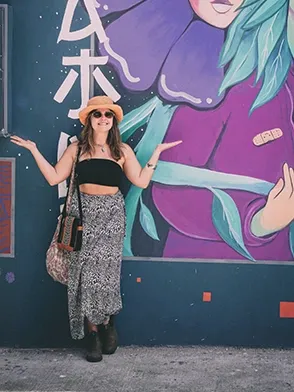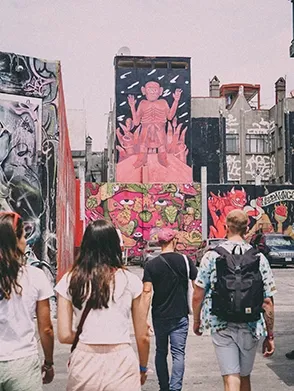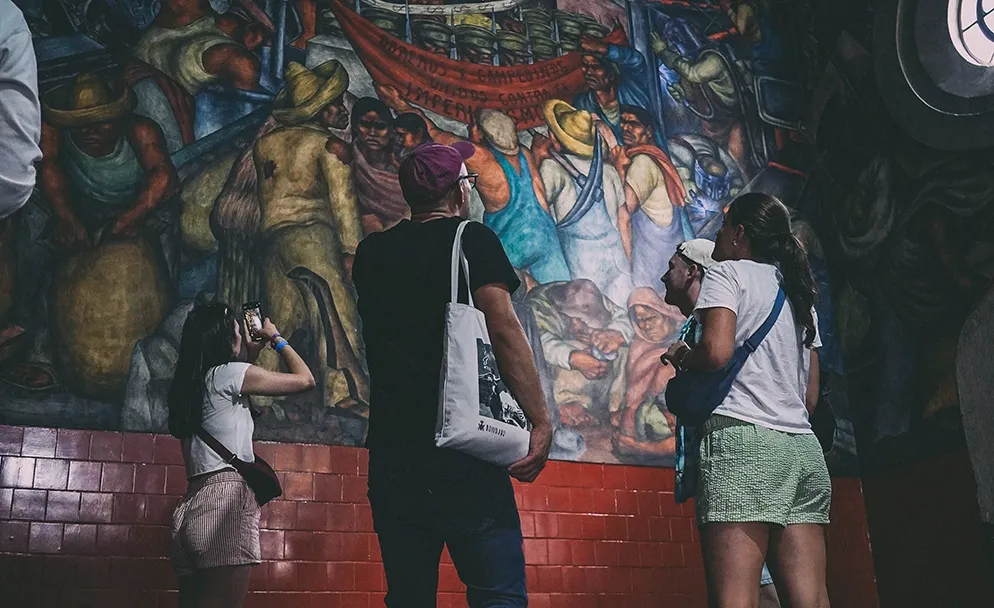
Quito doesn’t announce its art scene loudly. It reveals it slowly, across walls, doors, staircases, and entire neighborhoods. The city’s most interesting art isn’t confined to museums or galleries — it lives outdoors, layered over decades of political change, social tension, and personal expression. To understand Quito through art, you have to walk it.
Why Street Art Matters in Quito
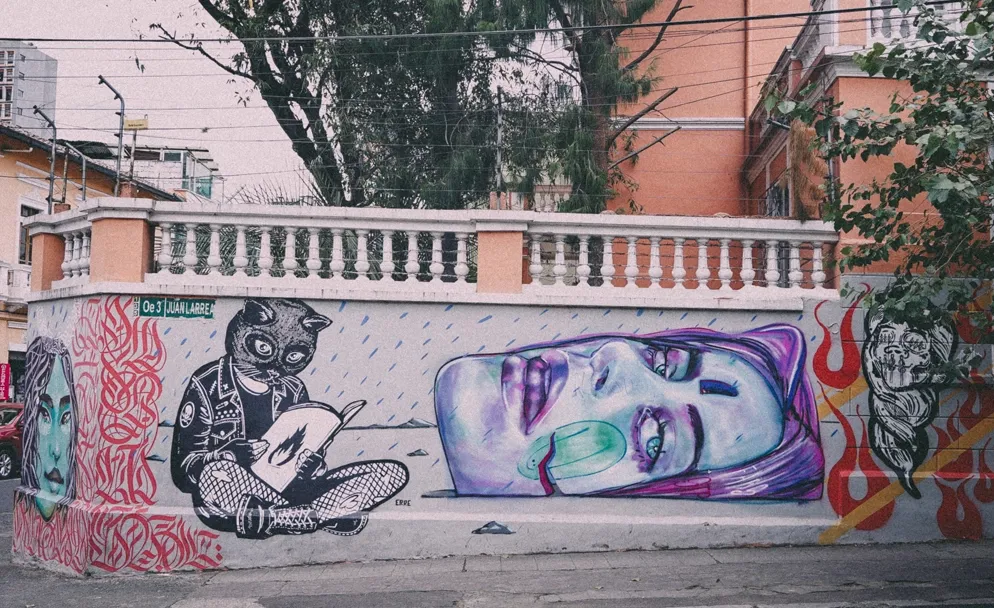
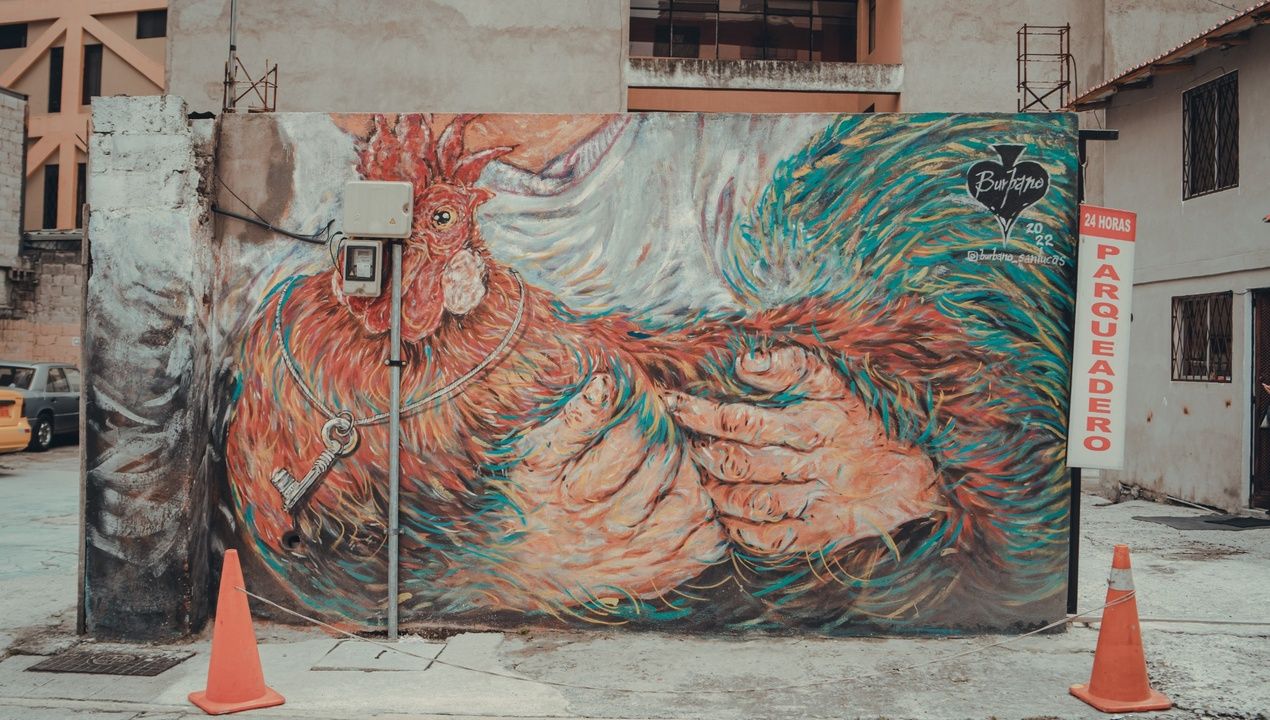
Urban art in Quito is not decoration. It’s conversation. Murals and graffiti reflect migration, identity, resistance, humor, and memory. Some pieces are officially commissioned. Others appear overnight and disappear just as quickly. Both are part of the same ecosystem.
Street art here isn’t about visual shock. It’s about context.
The Difference Between Graffiti and Urban Art
In Quito, these two often overlap — but they’re not the same.
– Graffiti is fast, coded, and territorial.
– Urban art is often larger, slower, and narrative-driven.
Understanding the difference helps you read the city properly. Tags, throw-ups, and murals all tell different stories — about who was there, why, and for how long.
Where Quito’s Art Lives
The city’s art scene doesn’t sit in one place. It spreads according to history, accessibility, and community.
Centro Histórico
Here, art negotiates with heritage. Murals exist carefully, often layered with symbolism rather than scale. The conversation is quieter but dense.
La Floresta
A creative hub where artists, filmmakers, and designers overlap. Expect experimental work, political themes, and collaboration across mediums.
La Mariscal & Surrounding Areas
This is where walls change often. Styles rotate quickly. Messages respond to current events. It’s less curated and more reactive.
Who the Artists Are
Quito’s artists don’t fit a single profile. Some work internationally. Others stay local by choice. Many move between street walls, studios, and teaching spaces. What they share is a strong sense of place.
Their work often references:
– Indigenous identity
– Social inequality
– Migration
– Nature and territory
– Daily life in the city
Nothing here is accidental.
Why Walking Matters
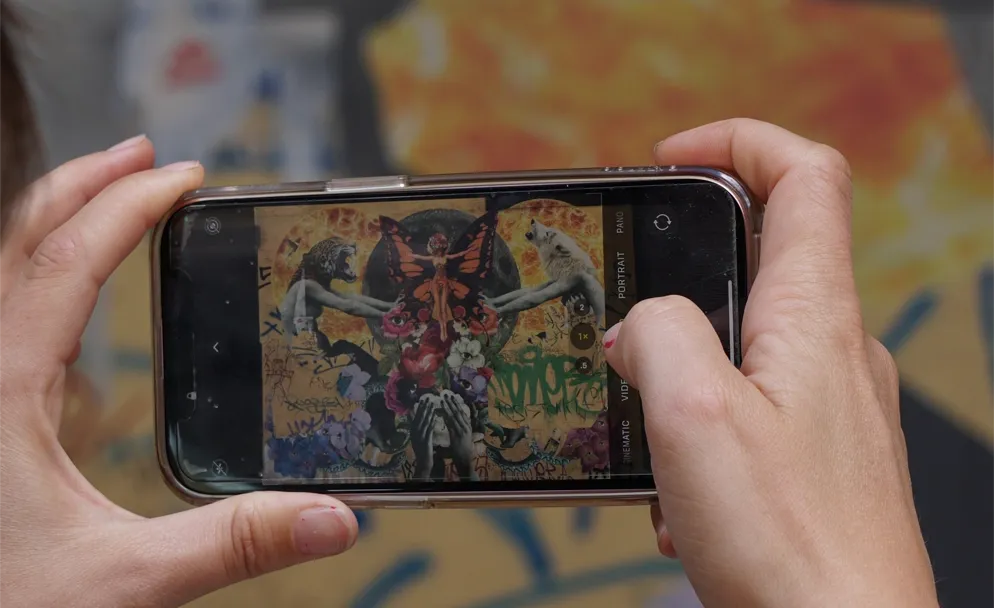
Art in Quito isn’t meant to be consumed from a car window or a checklist. Walking allows you to notice layers — old tags beneath new murals, paint fading under sun and rain, walls repurposed after protests or festivals.
A proper art tour doesn’t rush. It connects pieces across time, not just space.
Museums vs. Streets
Quito has important museums and galleries, and they matter. But the street is where experimentation happens first. Artists test ideas publicly before refining them privately. What you see on the walls often predicts what will appear in galleries years later.
The street is the draft. The gallery is the edit.
What a Good Art Tour Should Do
A serious art tour isn’t about naming artists nonstop. It should:
– Explain context, not just aesthetics
– Connect art to neighborhood history
– Include current work, not only “approved” pieces
– Acknowledge change and disappearance
Street art is temporary by nature. A tour should respect that.
Why This Matters to Travelers
Most visitors experience Quito through architecture and viewpoints. Art adds another layer — one that reflects how people actually live and think today. It turns the city from historic to contemporary.
You don’t just see Quito. You read it.
Want to Explore Quito Through Its Walls?
If you want to understand Quito beyond monuments — through voices, color, and public expression — walking the city with context changes everything.
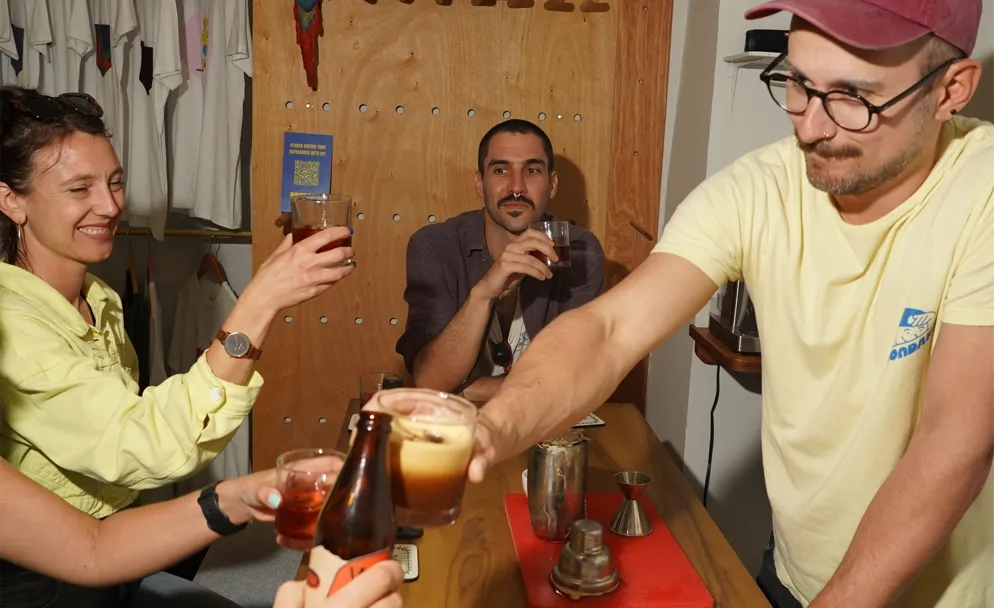
Our Living Galleries experience is built around that idea: art as a way to read the city, not only decorate it.
Explore more here: Living Galleries Tour
Curious about how we approach culture and storytelling? Visit About Bondabu