Ecuador doesn’t treat chocolate as a trend. It treats it as inheritance. Long before tasting menus and single-origin bars, cacao grew here quietly, shaping trade routes, family economies, and daily rituals. Quito sits at the center of that story — not as a plantation town, but as the place where beans, people, and ideas converge. This is what a real chocolate tour in Quito should feel like: informed, sensory, and grounded in where cacao actually comes from.
Why Ecuadorian Cacao Is Different
Ecuador is home to cacao nacional, often called fine aroma cacao. It’s prized not for bitterness or power, but for complexity — floral notes, soft acidity, and depth that develops slowly on the palate.
What makes it special isn’t marketing. It’s geography.
– Equatorial climate with consistent humidity
– Volcanic soils
– Short distances between coast, Andes, and Amazon
– Generations of farmers refining post-harvest techniques
Cacao here isn’t forced. It’s allowed to develop.
From Coast and Amazon to Quito
Most cacao isn’t grown in Quito. It comes from:
– Coastal provinces, where humidity and heat favor cacao trees
– Amazonian regions, where wild and heirloom varieties still exist
Quito becomes the meeting point — where fermentation decisions, roasting styles, and flavor philosophies are shaped. This is where cacao turns into chocolate with intention.
What You’re Really Tasting in Good Chocolate
A proper chocolate tasting isn’t about sweetness. It’s about paying attention.
Aroma
Before flavor comes smell — floral, fruity, sometimes nutty. Good cacao announces itself quietly.
Texture
Well-made chocolate melts evenly, without graininess or waxy residue. Mouthfeel matters more than intensity.
Flavor Progression
Quality cacao evolves: fruit first, then acidity, then deeper notes like nuts or spices. If it tastes the same from start to finish, something went wrong.
Common Myths About Chocolate Tastings
“Darker is always better”
Not true. Balance matters more than percentage. Some cacao shines at 60–70%.
“Chocolate should taste bitter”
Bitterness often signals poor fermentation or aggressive roasting.
“Chocolate tasting is just dessert”
It’s closer to wine or coffee tasting — sensory, structured, and cultural.
How a Chocolate Tour in Quito Should Work
A serious chocolate experience isn’t rushed and isn’t theatrical. It should be:
– Small groups
– Guided by people who understand cacao, not just chocolate
– Focused on origin, process, and flavor
– Built around tasting, not sugar
You should leave knowing why something tastes the way it does — not just whether you liked it.
Pairing Chocolate the Right Way
Chocolate doesn’t need much help, but thoughtful pairings reveal more.
– Water to reset the palate
– Coffee to highlight acidity and roast notes
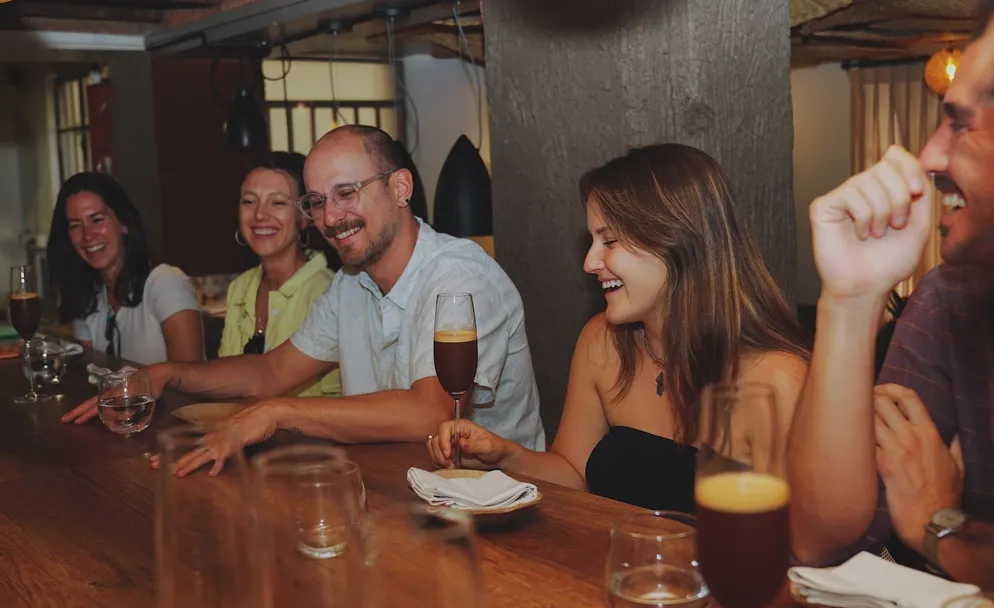
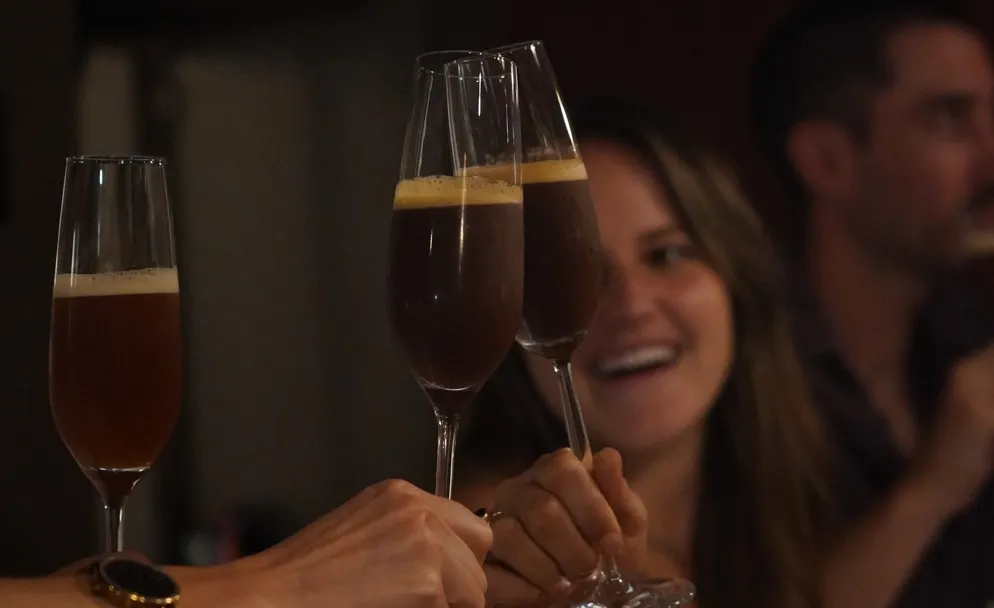
– Simple spirits or cocktails to contrast sweetness and bitterness
Pairing isn’t about overpowering — it’s about clarity.
Quito’s Place in the Global Chocolate World
Ecuadorian cacao is used by some of the world’s best chocolate makers — often without being credited clearly. A good chocolate tour reconnects the dots between global prestige and local reality.
This isn’t luxury for show.
It’s craftsmanship with roots.
Want to Experience Cacao Properly?
If you want to understand chocolate beyond labels and percentages, you need context, patience, and good beans. That’s what we focus on.
Our Golden Fruit experience is built around Ecuadorian cacao — where it comes from, how it’s treated, and how it should taste when done right. No gimmicks. No sugar overload. Just cacao, explained and respected.
Learn more here: Golden Fruit Experience
Curious about our approach? Visit About Bondabu