Lucha Libre in Mexico City: Where to Watch, Tickets & What It Really Means
In Mexico City, lucha libre is easy to misunderstand.
From the outside, it looks like spectacle — colorful masks, exaggerated characters, scripted fights, a crowd shouting from every direction. It can feel theatrical, almost chaotic.
But that’s only the surface.
Because once you sit there long enough, you realize something else is happening. Lucha libre is not just entertainment. It’s a system of symbols, tension, and release — a space where the city performs itself.
Quick Guide to Lucha Libre in Mexico City
If you’re planning to experience lucha libre in Mexico City, here’s what you need to know:
– Best venue: Arena México
– Best days: Tuesday, Friday, Sunday
– Tickets: Available online or at the venue
– Price: ranges from affordable seats to premium ringside
– Duration: around 2 hours with multiple matches
It’s one of the most accessible cultural experiences in the city — but also one of the easiest to misunderstand if you don’t know what you’re watching.
What Is Lucha Libre, Really?
At its simplest, lucha libre is professional wrestling.
But that definition is incomplete.
In Mexico City, lucha libre operates somewhere between:
– sport
– theater
– ritual
The rules exist, but they are flexible. The outcomes are often predetermined, but the reactions are real. The characters are exaggerated, but the emotions they provoke are not.
It’s not about who wins.
It’s about what the fight represents.
The Structure: Técnicos vs Rudos
Every match is built around a simple opposition:
– Técnicos → discipline, fairness, control
– Rudos → chaos, rule-breaking, disruption
The técnicos follow the rules.
The rudos ignore them.
The audience knows this structure. They participate in it. They shout, insult, support, and react with full intensity.
This dynamic turns each match into something larger than a fight — a reflection of tension between order and disorder.
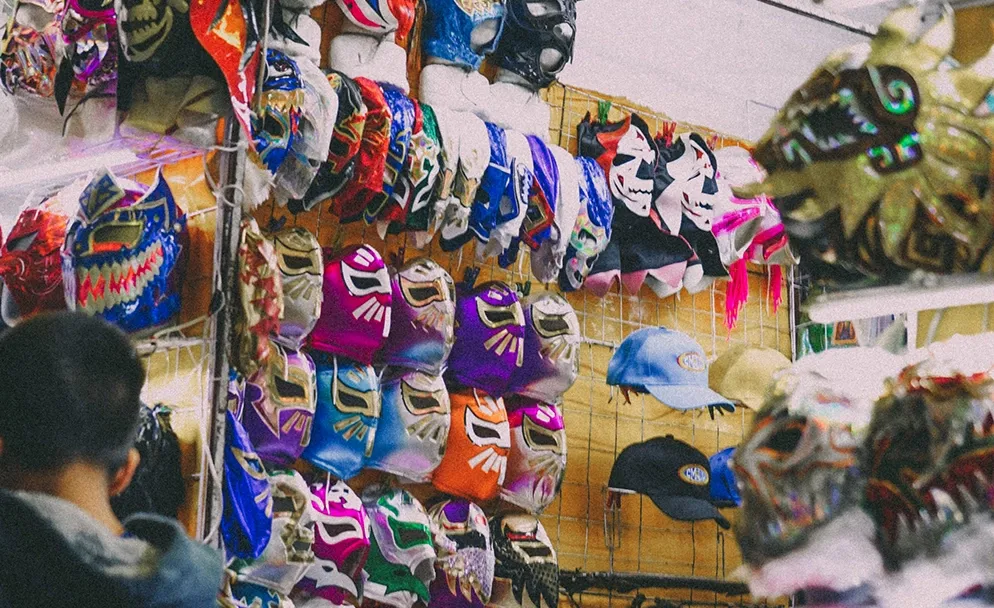
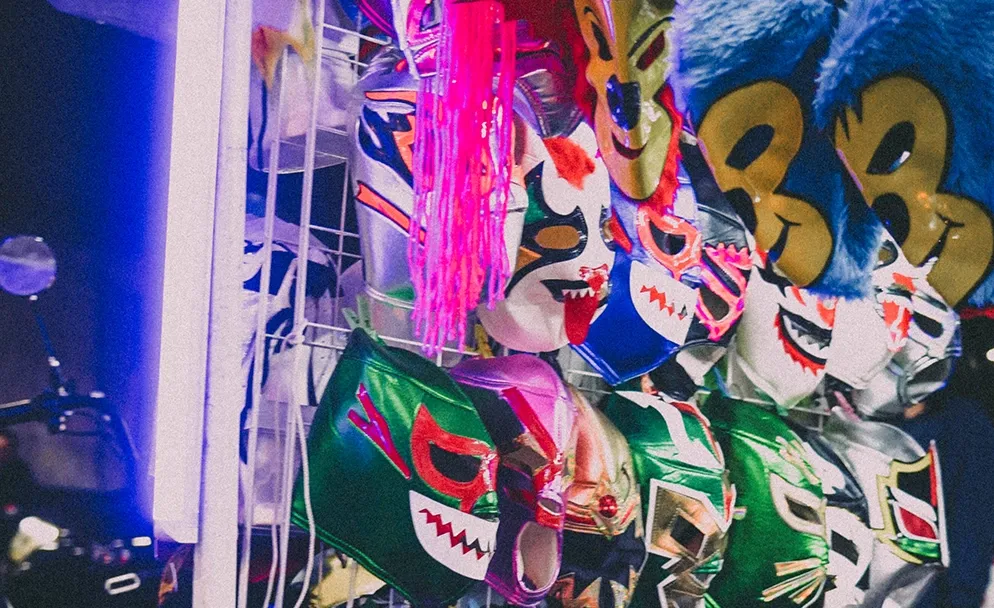
Masks: Identity and Transformation
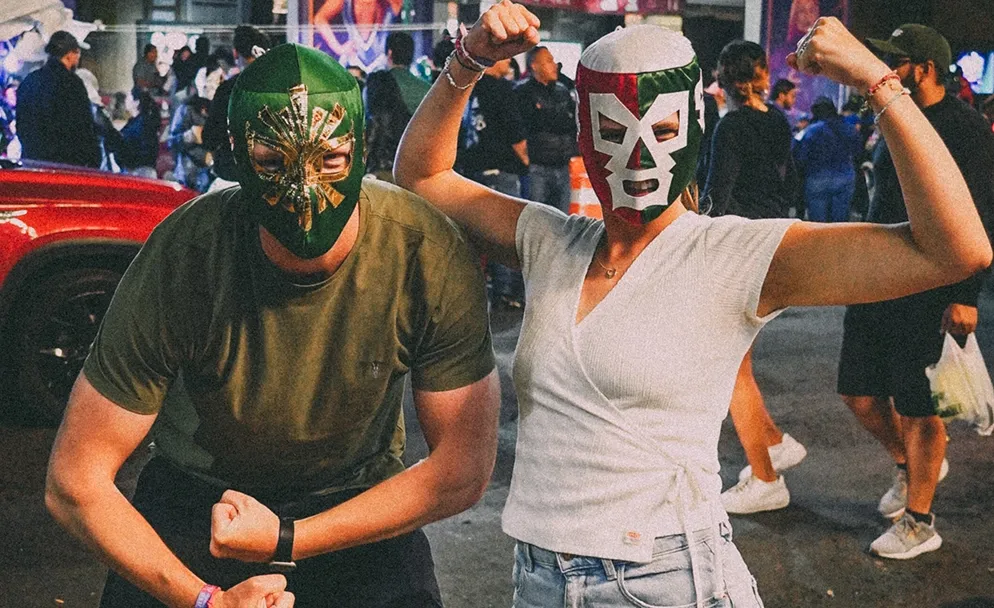
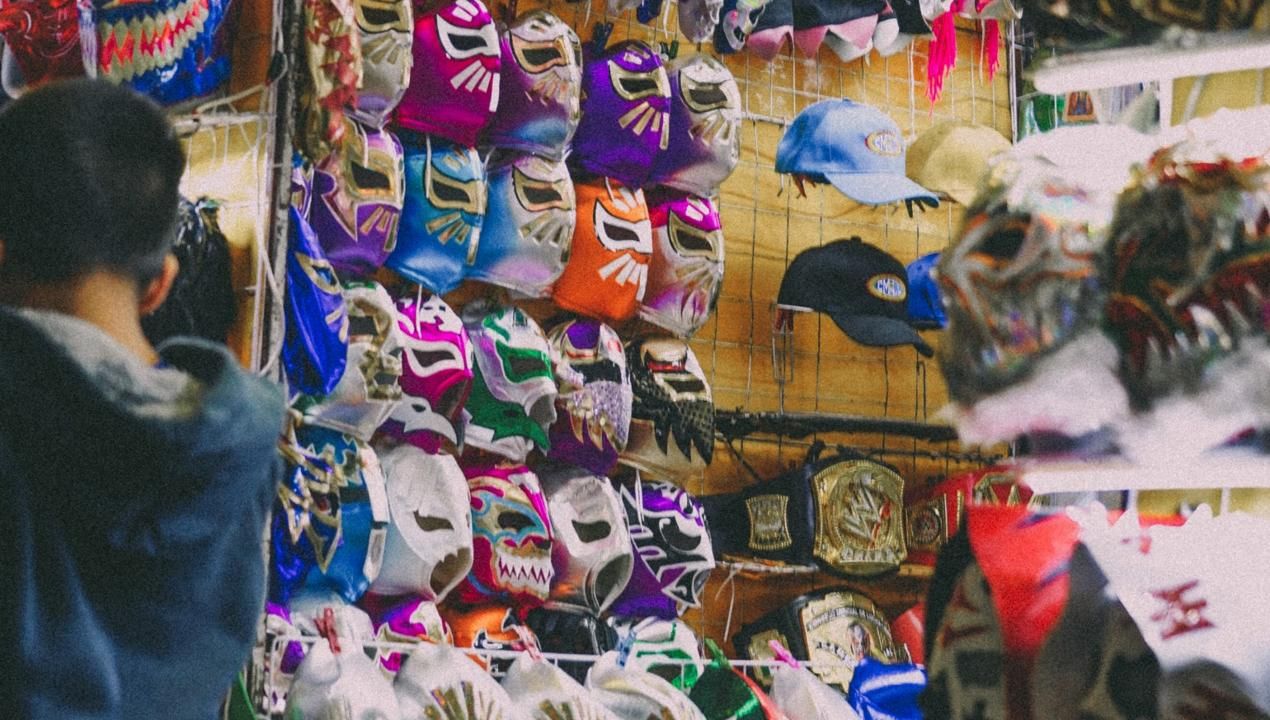
The mask is not a costume. It is identity.
Wrestlers build entire careers behind a mask, protecting their real names and lives outside the ring. Losing a mask in a match is one of the highest stakes in lucha libre.
It means exposure. It means transformation.
The mask allows the wrestler to exist in two worlds — one inside the ring, and one outside of it.
The Crowd: Half the Experience
You don’t watch lucha libre quietly.
The crowd is constant. Loud. Unfiltered.
People shout insults, jokes, reactions. Entire sections respond together. There’s no separation between the event and the audience.
Even if you don’t fully understand what’s happening in the ring, you understand what’s happening in the room.
And that’s enough.
Where to Watch Lucha Libre in Mexico City
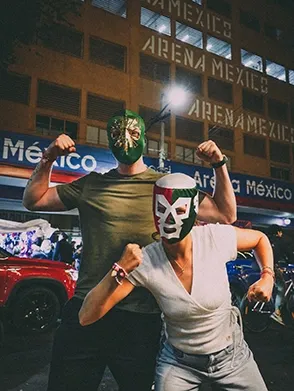
Most visitors experience lucha libre at Arena México, the main venue in the city.
It’s structured, accessible, and consistent. Events run multiple times per week, making it easy to fit into your itinerary.
You don’t need the best seats.
In fact, being slightly further back often gives you a better perspective — not just of the ring, but of the crowd and its reactions.
How to Buy Tickets
Tickets for lucha libre in Mexico City are easy to get.
You can:
– buy them online in advance
– purchase directly at the venue
– or get them through guided experiences
Prices vary depending on seating, but the event remains relatively accessible compared to other major city experiences.
Is Lucha Libre Worth It?
Yes — but not for the reasons most people expect.
If you go expecting a polished sporting event, you may be confused.
If you go open to something more layered — part performance, part ritual, part release — it becomes one of the most memorable experiences in Mexico City.
Lucha libre works best when you stop trying to define it too precisely.
Culture Is Never Static
Culture is never static. It behaves like something alive — adapting, mutating, and responding to the forces around it.
Lucha libre has evolved.
Characters change. Styles shift. Tourism influences parts of the experience. But the structure remains.
The tension between técnicos and rudos still works.
The mask still carries weight.
The crowd still matters.
That continuity is what keeps it alive.
The Difference Between Watching and Understanding
You can attend one match and enjoy it.
Understanding it takes longer.
You start noticing patterns:
– how wrestlers build tension
– how the crowd reacts collectively
– how humor and aggression coexist
– how repetition creates familiarity
A real cultural encounter doesn’t give you answers. It sharpens your perception. It leaves you with better questions.
Want to Experience Lucha Libre With Context?
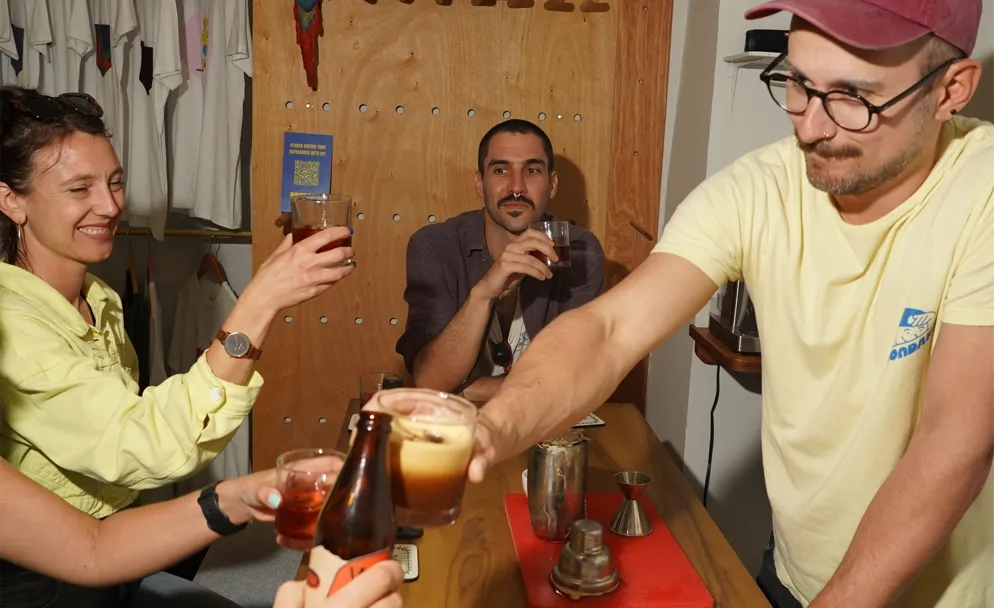
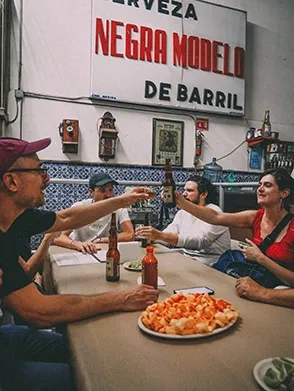
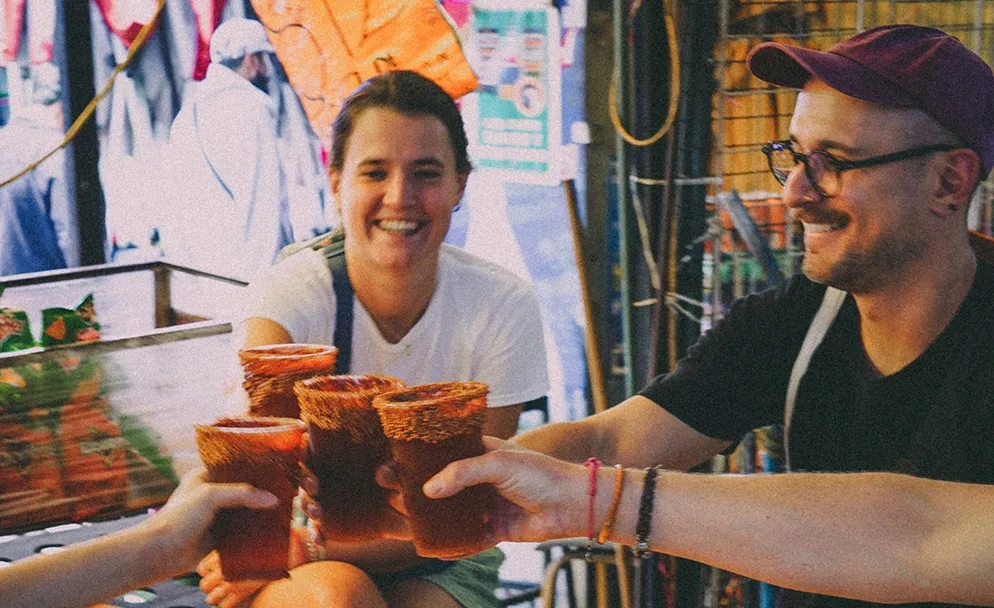
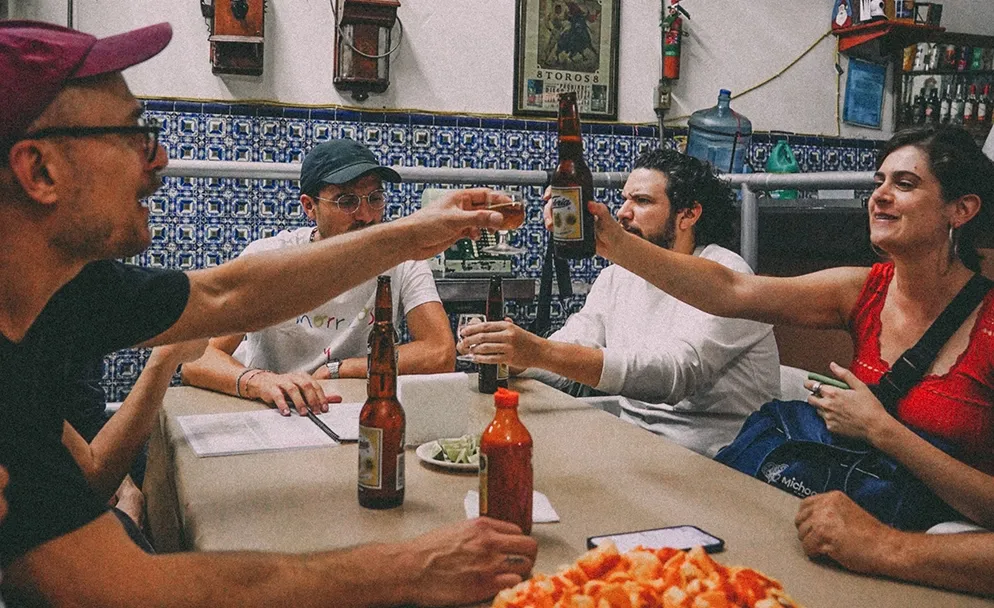
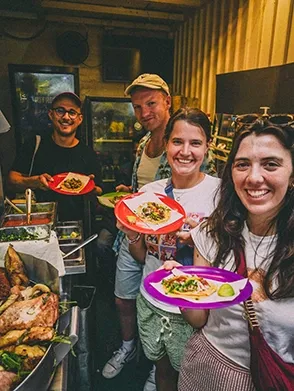
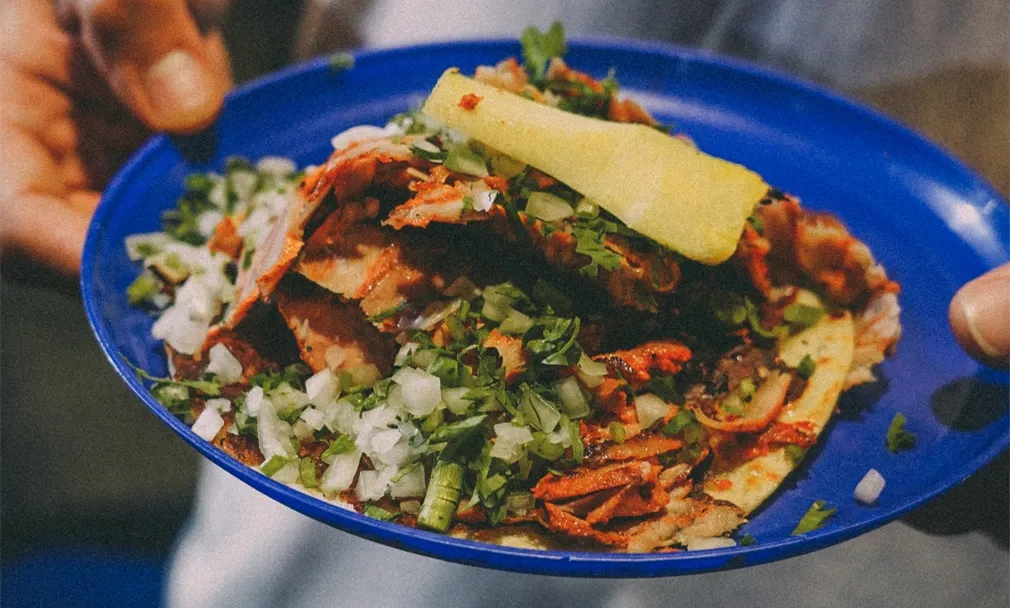
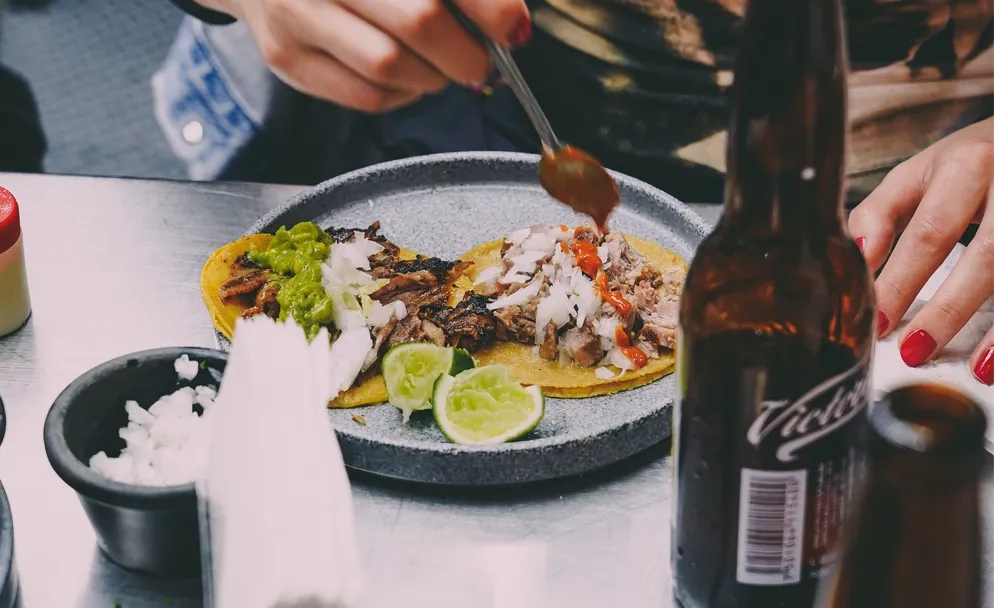
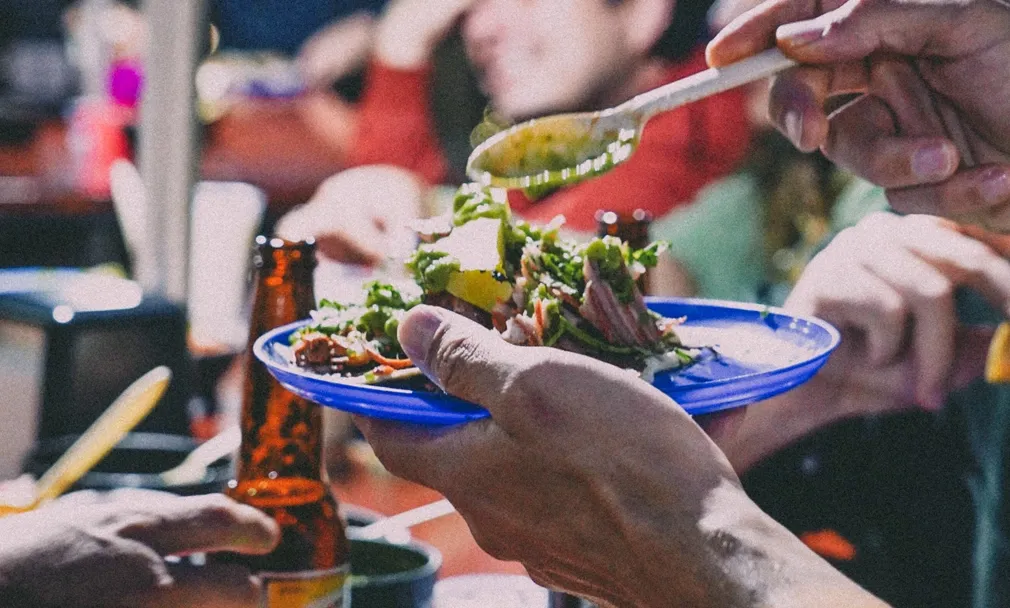
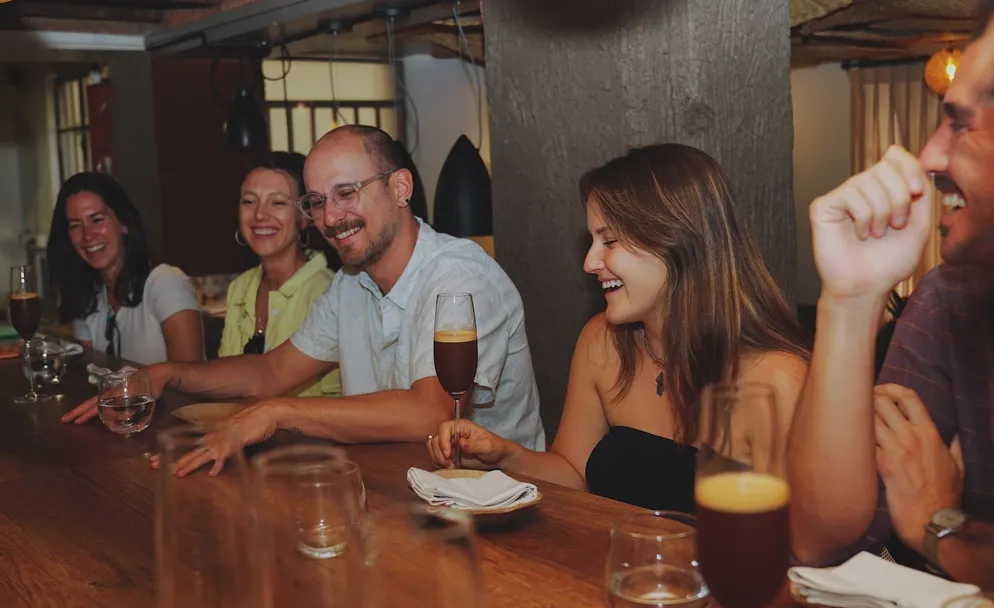
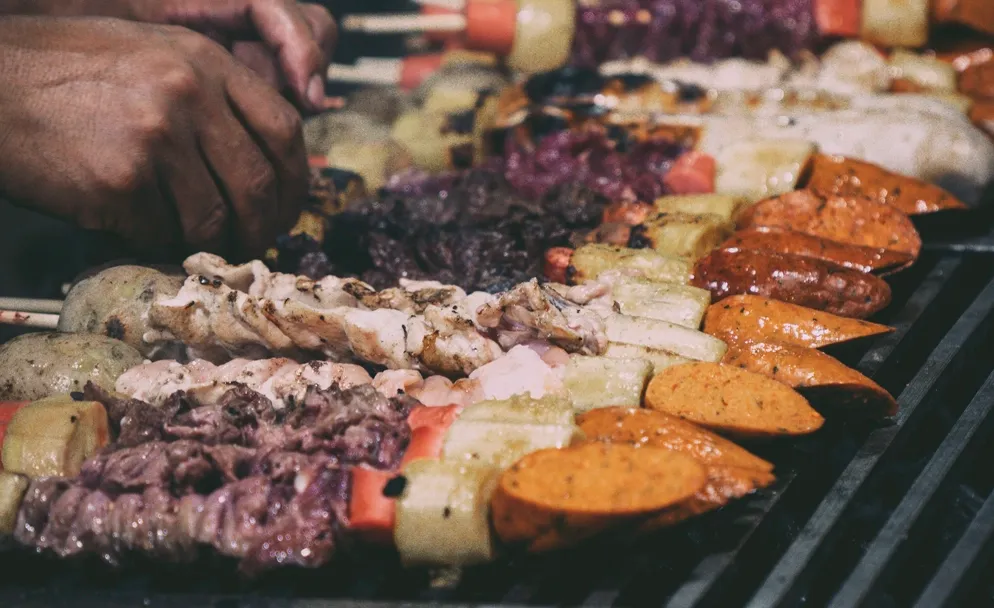
Bondabu’s Lucha Libre & Nightlife experience connects the match with the city around it — drinks, tacos, and the rhythm that surrounds the event.
Because lucha libre doesn’t exist in isolation.
It’s part of a larger system: night, movement, food, noise, and release.
Understanding it means seeing all of it together.