
Ultimate Guide to Ecuadorian Food in Quito: What to Eat
Discover Ecuadorian food in Quito—from hornado and cevichocho to markets and street food—and learn how to explore the city’s culinary culture.
Food & Drinks | Mar 31, 2026
The Ultimate Guide to Ecuadorian Food in Quito: What to Eat and Why It Matters
Quito doesn’t overwhelm you with food at first. It reveals itself slowly.
A soup in the morning. A juice between errands. A plate that looks simple but carries more history than it shows. Unlike cities that perform their cuisine loudly, Quito moves differently. You have to pay attention.
So the question is not just what to eat in Quito or how to experience Ecuadorian food in the city.
Why Ecuadorian Food in Quito Feels Different
Ecuadorian food is shaped by geography more than by trends. Within a few hours, the country shifts between the Andes, the coast, and the Amazon. Each region brings its own ingredients, techniques, and logic. Quito sits high in the Andes, but its markets and kitchens absorb influences from all three.
That’s why a single meal can contain layers of the entire country. Ecuadorian food is not built for display. It is built for function.
Culture Is Never Static
Culture is never static. It behaves like something alive — adapting, mutating, and responding to the forces around it.
In Quito, that evolution is quieter than in larger global cities, but it’s constant. Migration reshapes markets, urban life reshapes eating habits, and tourism reshapes perception.
Some dishes remain almost untouched. Others shift depending on where you find them — in a market, a home kitchen, or a restaurant adapting to visitors. Understanding Ecuadorian food in Quito means seeing both: what changes, and what refuses to.
What to Eat in Quito (Quick Guide)
If you’re short on time, these are the essential foods to try in Quito:
– Hornado
– Llapingachos
– Cevichocho
– Seco de pollo
– Empanadas de viento
– Morocho
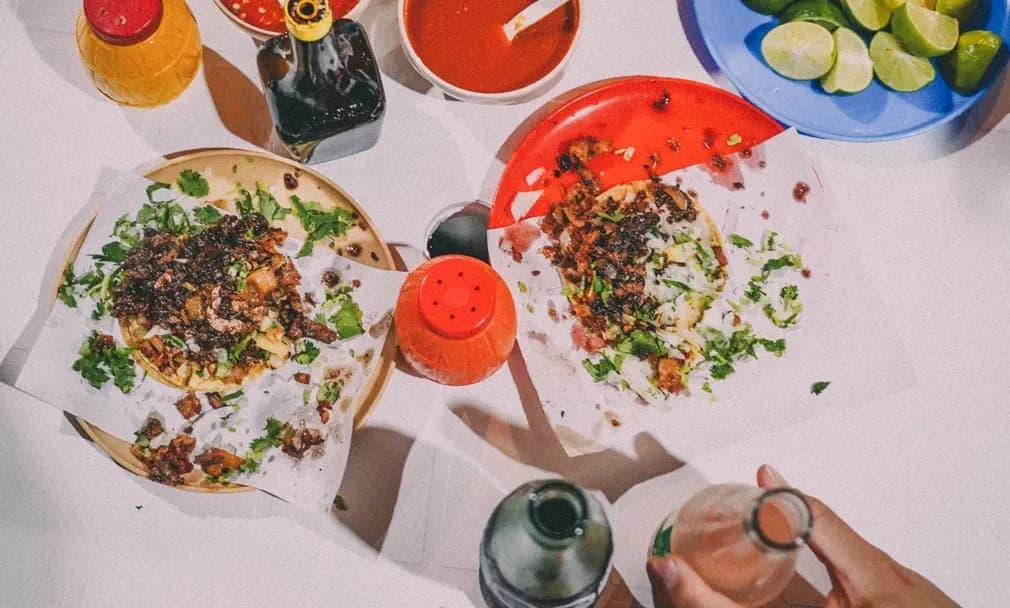
These dishes give you a direct introduction to Ecuadorian food in Quito — from markets to street stalls. For a broader first look, see [Quito Food Tour – The Ultimate Street Feast].
The Essential Foods of Quito
If you want to go deeper, start here.
Hornado
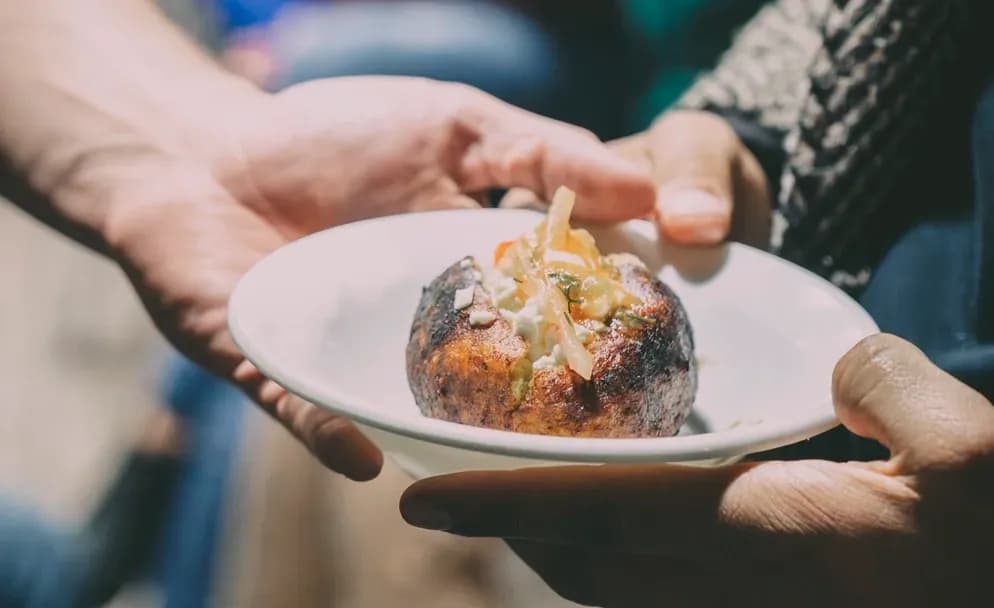
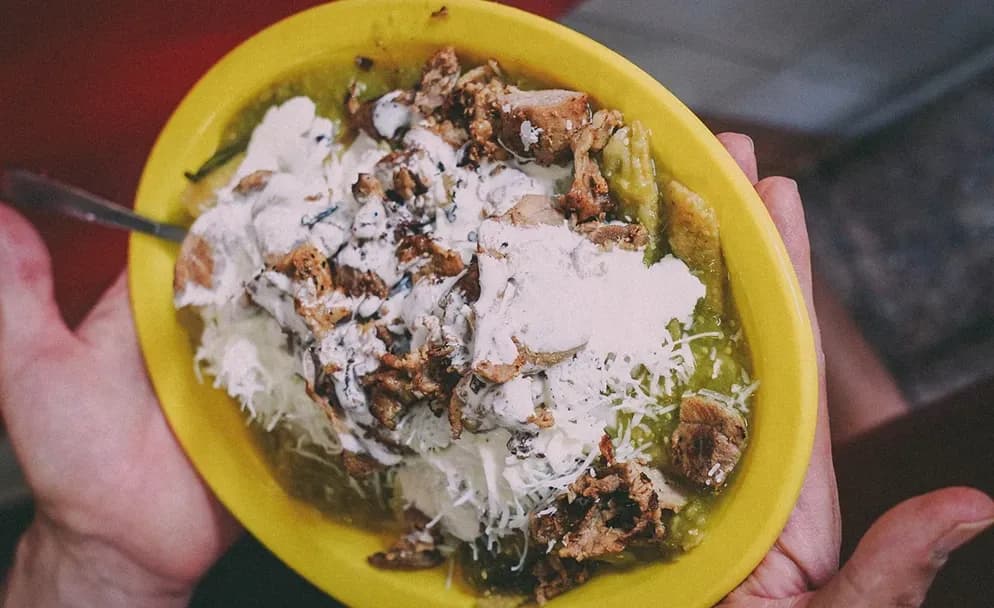
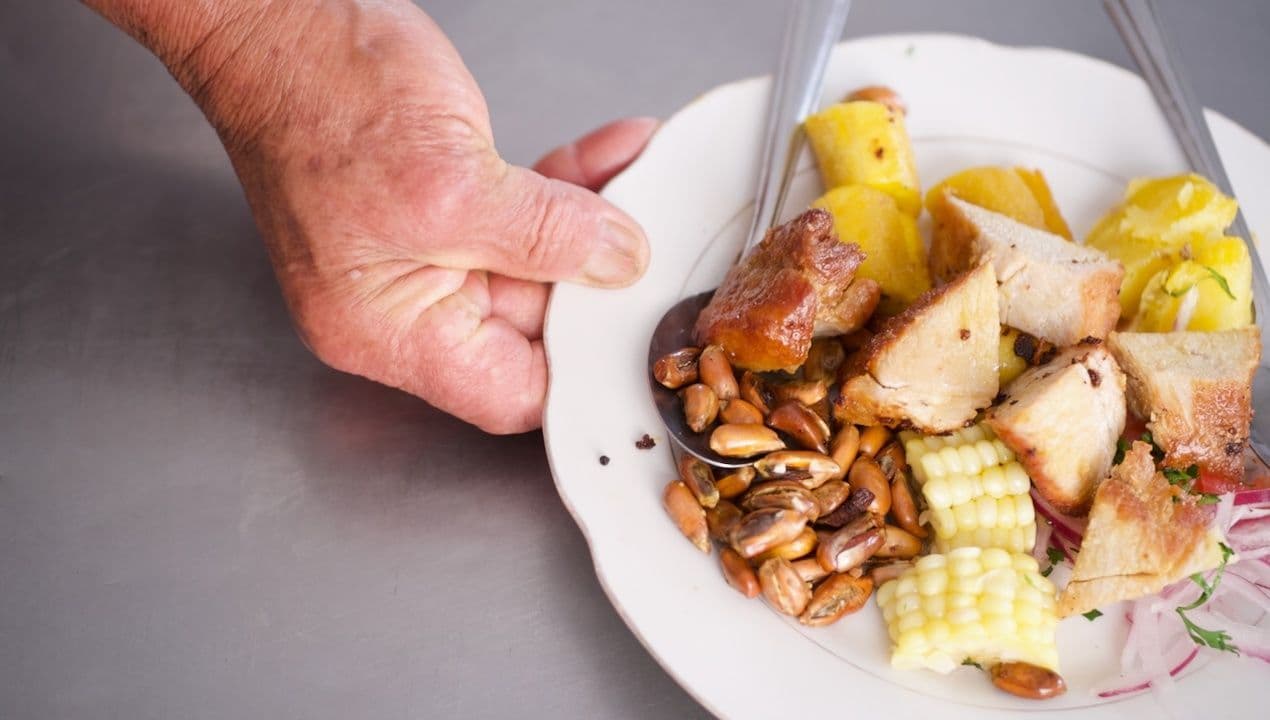
Hornado is one of Quito’s defining dishes. Whole pigs are slow-roasted for hours until the meat becomes tender and the skin crisps. It’s usually served with mote (hominy), llapingachos (potato patties), avocado, and a fresh tomato-onion salad.
The best hornado is often found early in the day, when the skin is still crisp and the meat hasn’t dried out. It’s not just a dish. It’s a system of time, patience, and repetition.
For a more focused look, read [Food Tour Quito: Discover the Secret of Ecuador’s Hornado].
Llapingachos
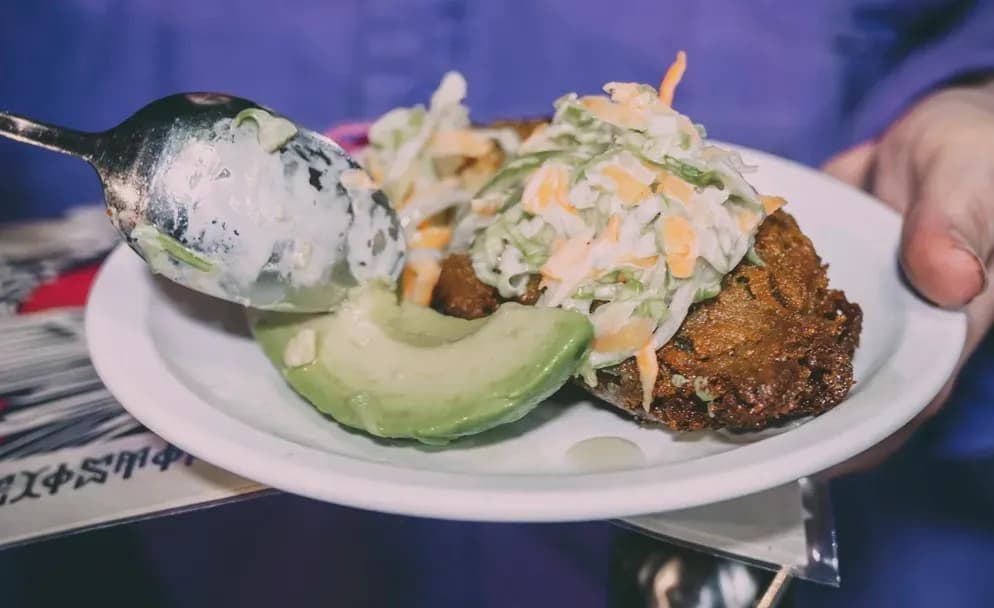
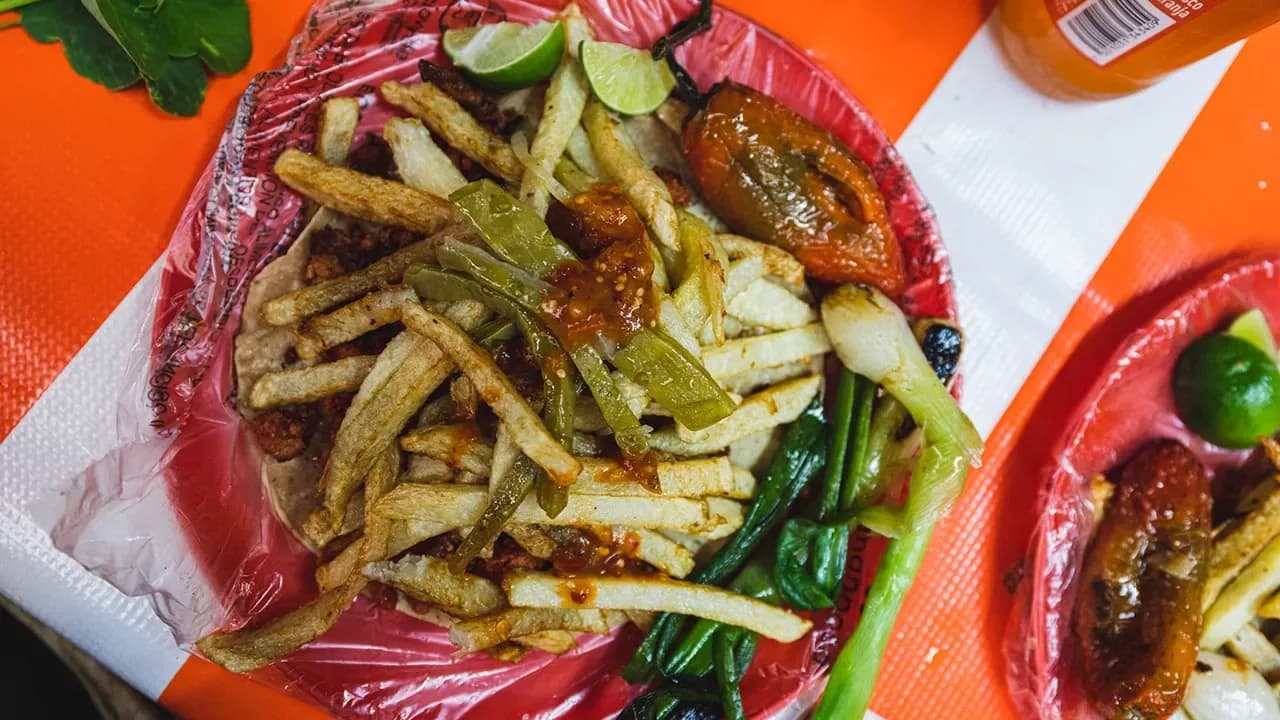
Potato patties filled with cheese and grilled until golden. They are often served with peanut sauce, eggs, sausage, or pork. Comforting, simple, and deeply Andean.
Cevichocho
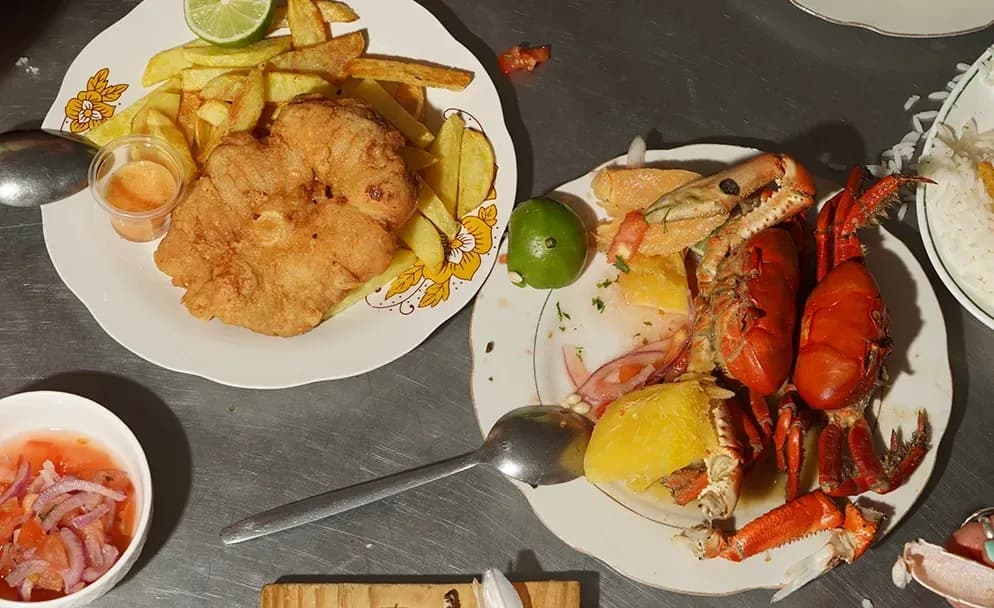
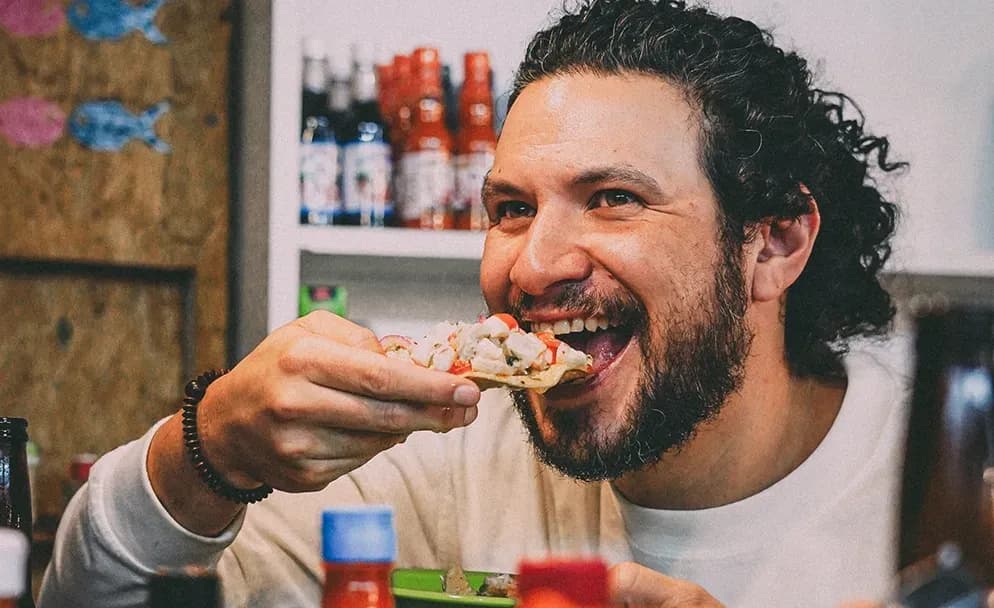
Quito’s street answer to ceviche. Made with chochos (Andean lupin beans), lime, onion, tomato, and tostado (toasted corn). Fresh, acidic, and quick to prepare. It reflects the city’s ability to adapt coastal ideas to mountain ingredients.
Seco de Pollo
A slow-cooked chicken stew with a rich, slightly tangy sauce. Usually served with rice, avocado, and sometimes fried plantains. It’s a staple of everyday meals across the country.
Empanadas de Viento
Light, airy fried pastries filled with cheese and dusted with sugar. They’re eaten hot, often on the street, and disappear quickly.
Morocho
A warm, thick drink made from corn, milk, cinnamon, and sugar. Consumed in the morning or late at night, it reflects Quito’s colder climate and slower rhythm.
Markets: Where Quito Actually Eats
If you want to understand Quito, go to its markets.
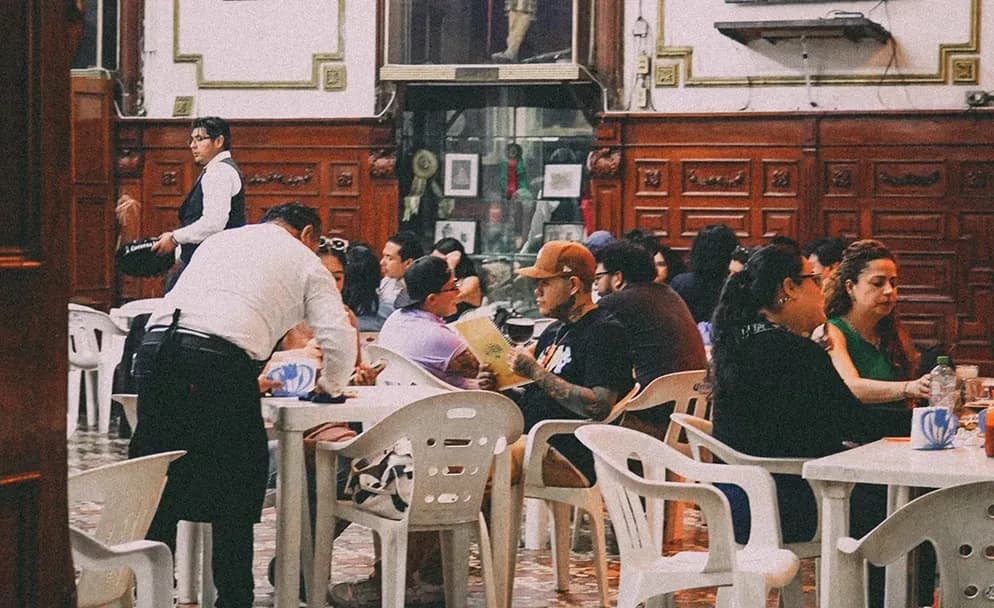
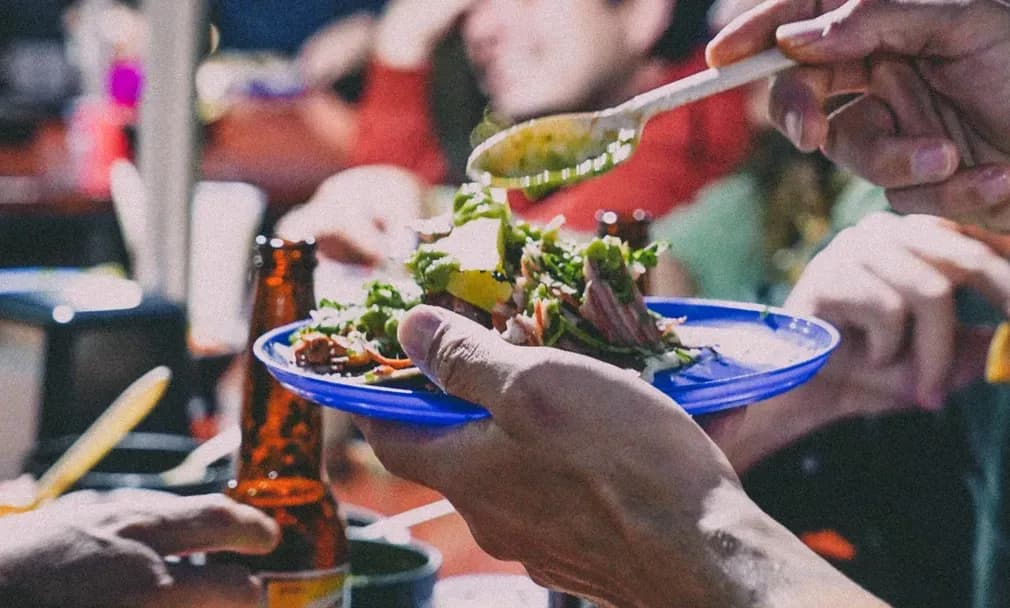
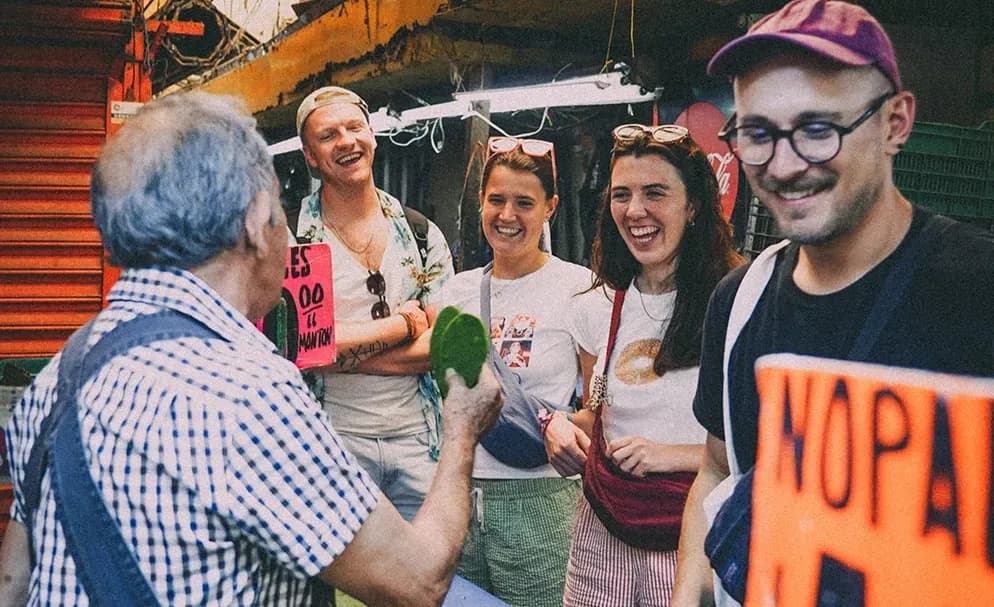
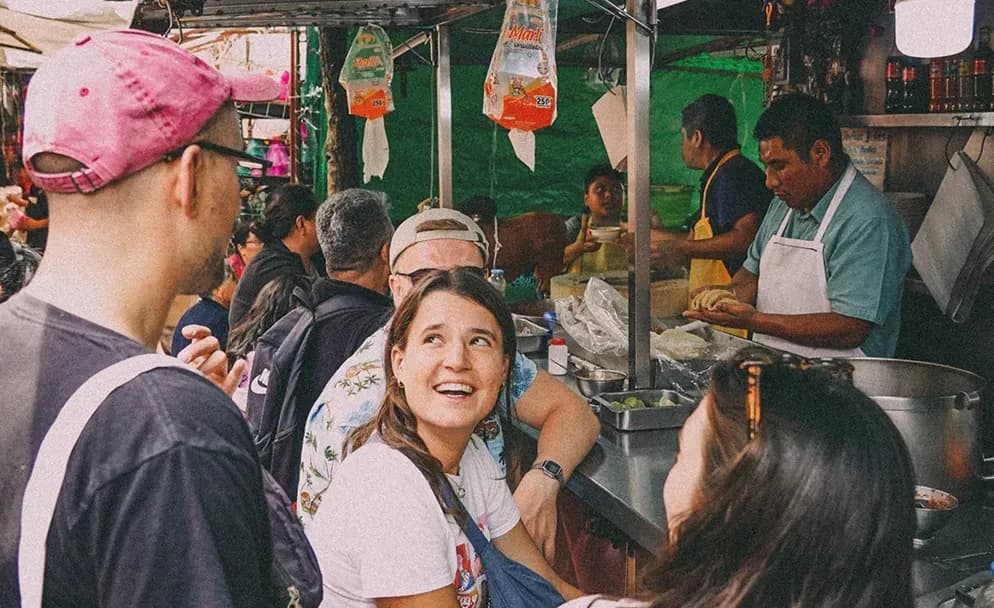
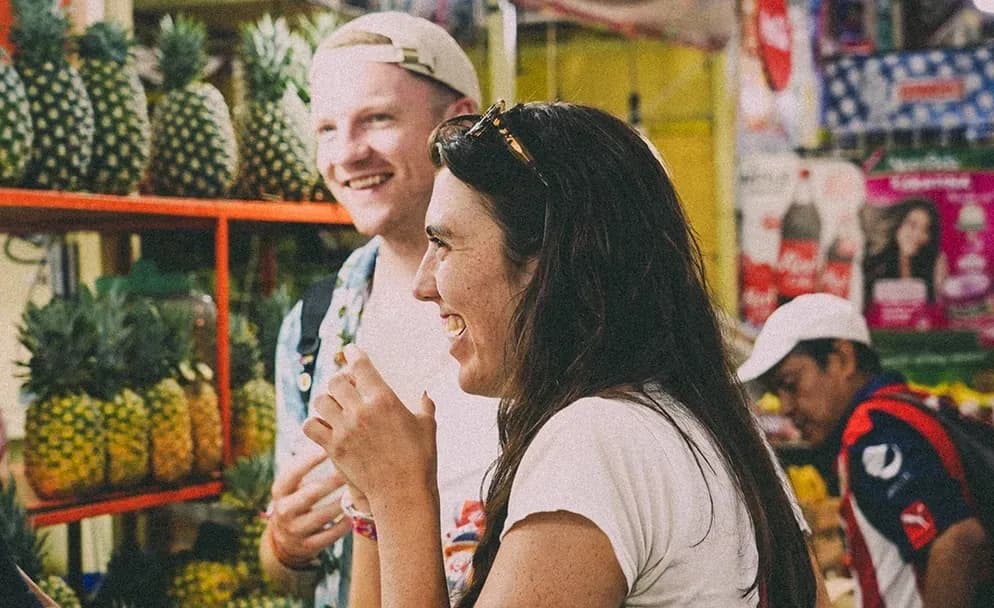
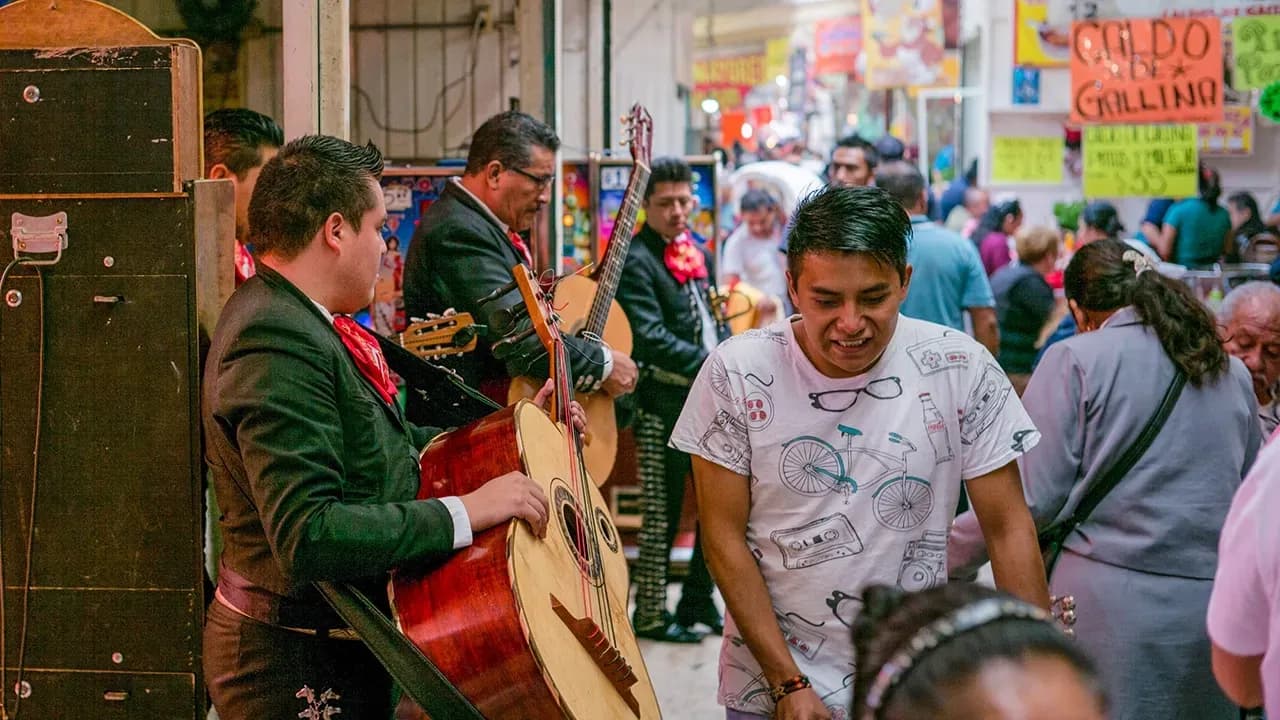
Places like Mercado Central, Santa Clara, and Iñaquito are not tourist attractions. They are working systems. Vendors cook for regulars, portions are generous, prices are direct, and conversations are short but real.
Markets show you what people actually eat — not what is presented to visitors.
For a more specific market guide, read [Best markets in Quito].
The Learning Curve
Quito is not immediately obvious. Food is not always labeled, menus are not always translated, and some of the best places look unremarkable from the outside.
You have to observe, ask, taste, and adjust. At first, it can feel confusing. Then patterns begin to appear.
Restaurants vs Street Food in Quito
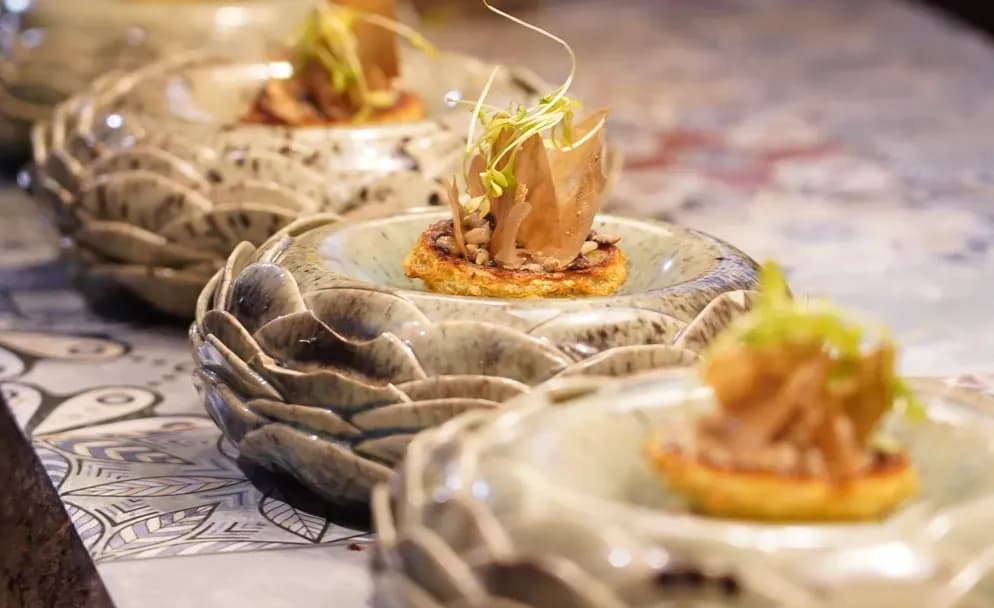
Restaurants in Quito provide comfort, creativity, space, and reinterpretation. Street food and markets provide continuity.
Restaurants show you what Ecuadorian food can become. Street food shows you what it has been — and still is. Both matter, but they serve different purposes.
If you want a broader look at the city’s restaurant scene, see [Best restaurants in Quito, Ecuador]. If you want a more global lens on the city’s dining culture, see [International cuisine in Quito].
The Difference Between Eating and Understanding
Anyone can sit down and eat a plate in Quito. Understanding what you are eating requires attention.
You begin to notice which ingredients repeat across dishes, how altitude affects flavor and texture, why soups are central to daily meals, how markets structure the city’s rhythm, and what is seasonal versus constant.
Ecuadorian food is not built for display. It is built for function.
A real cultural encounter doesn’t give you answers. It sharpens your perception. It leaves you with better questions.
Want to Experience Ecuadorian Food in Quito the Right Way?
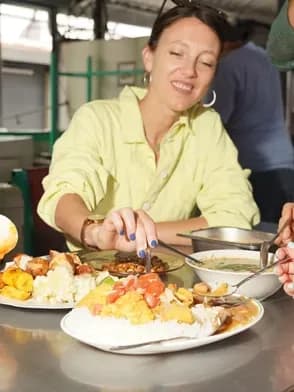
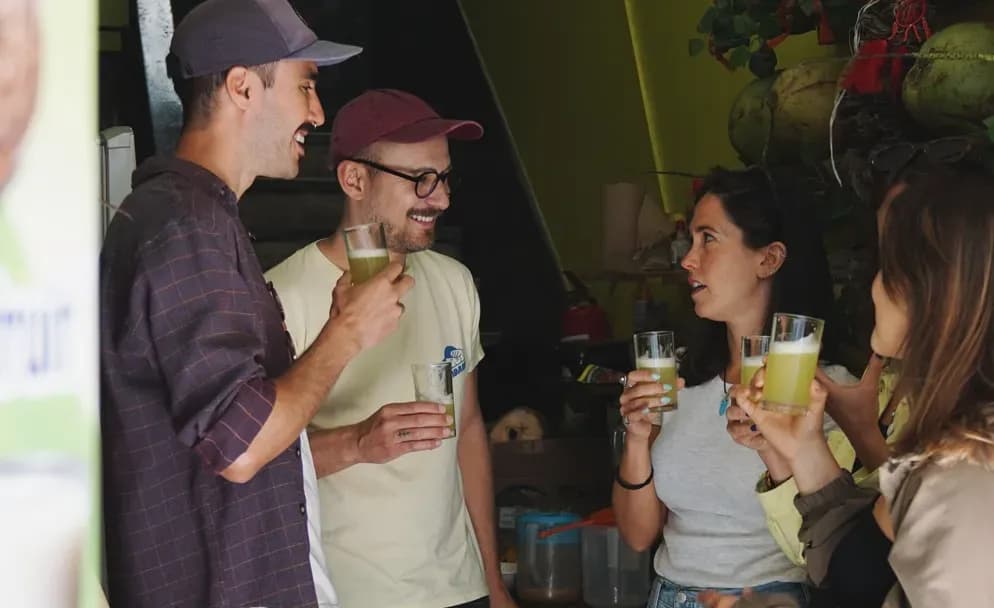
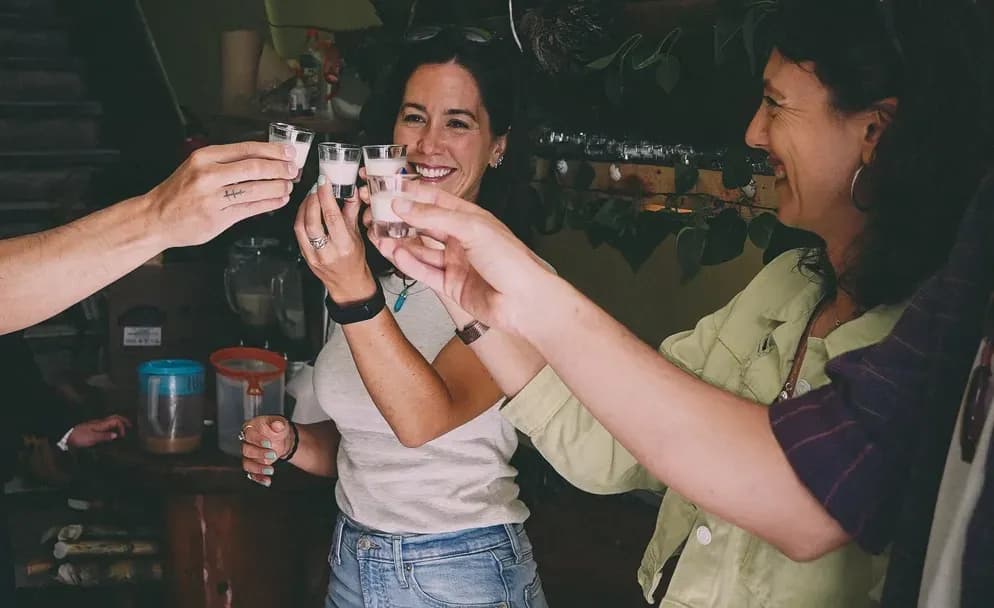
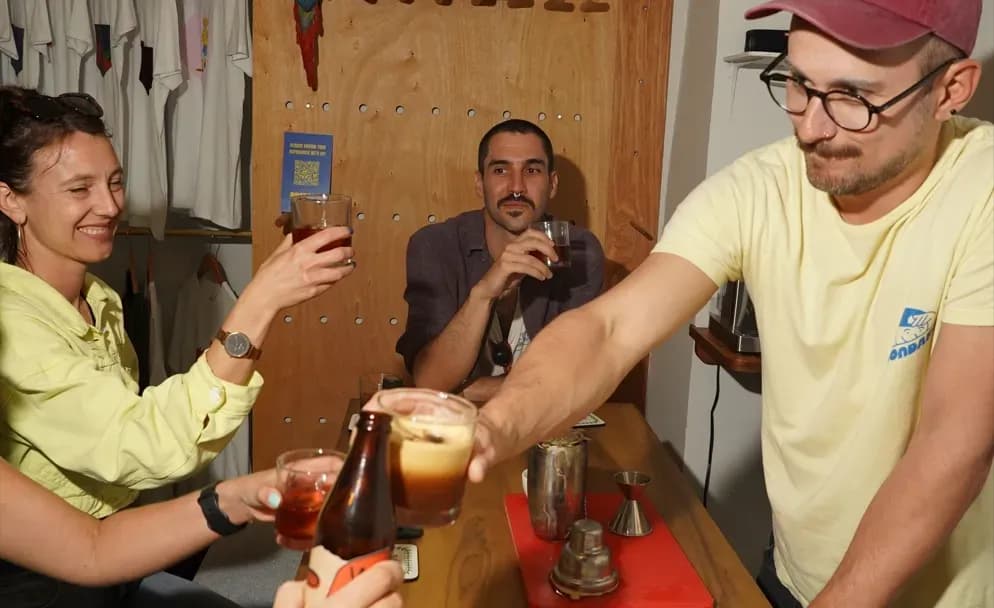
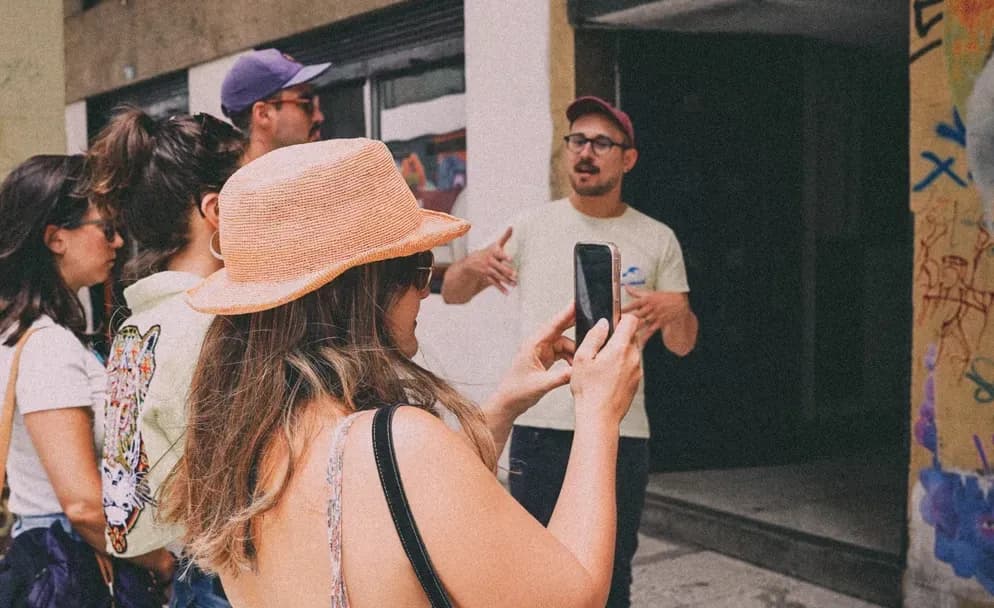
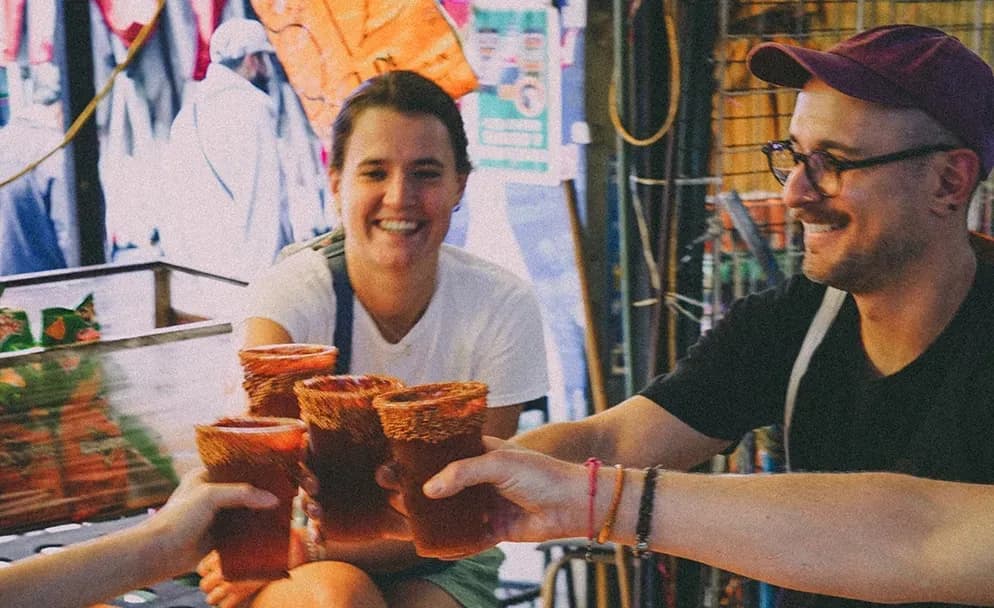
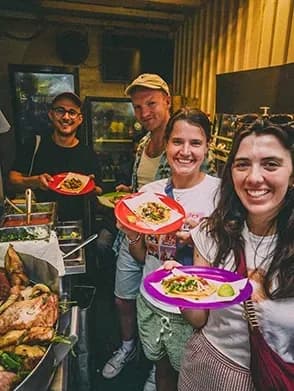
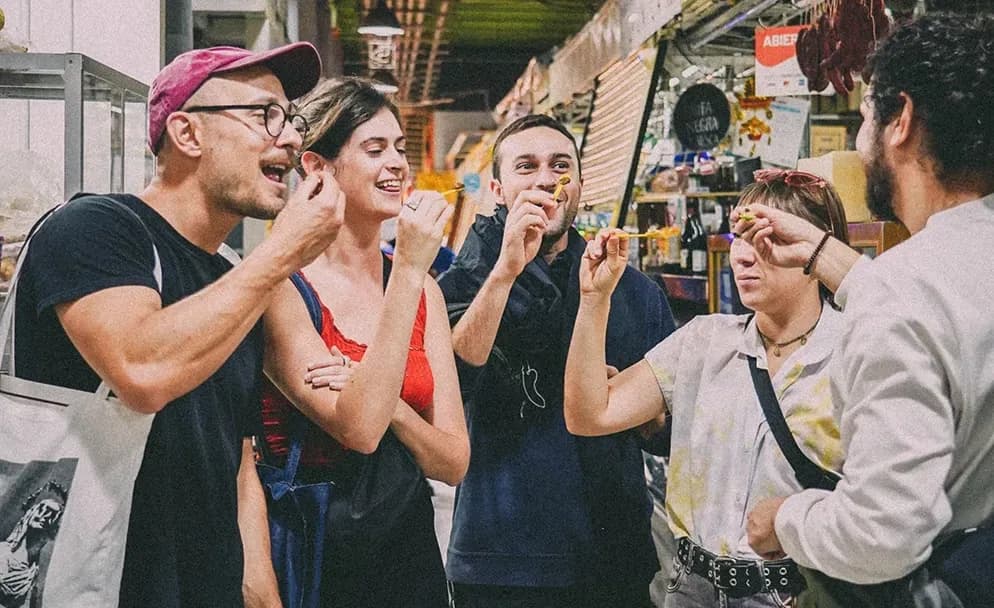
Bondabu’s Street Food Essentials, After Dark, and Golden Fruit experiences explore Quito through its markets, street stalls, and cacao culture.
The goal is not just to eat, but to understand the city through its flavors. Because Quito doesn’t explain itself loudly. But if you pay attention, it tells you everything you need to know.