
Ultimate Guide to Street Food in Mexico City: Tacos, Markets & Local Favorites
Discover the essential street foods of Mexico City—from suadero and tacos al pastor to birria and carnitas—and learn how to explore the city’s vibrant taco culture like a local.
Food & Drinks | Mar 17, 2026
The Ultimate Guide to Street Food in Mexico City
Mexico City is one of the greatest street-food capitals on Earth.
Every day, millions of people eat on the street: before work, between errands, after a night out, or during a quick pause in the middle of a busy afternoon. The city moves fast, and the food moves with it.
For travelers, this abundance can be both thrilling and overwhelming. Hundreds of stalls, endless taco varieties, unfamiliar ingredients, and neighborhoods that each seem to have their own culinary language.
So the question becomes: where do you even start?
This guide introduces the essential street foods of Mexico City, the logic behind them, and how to begin navigating one of the most vibrant food ecosystems in the world.
Why Street Food Defines Mexico City
Street food here is not a novelty or a trend. It is the everyday infrastructure of eating.
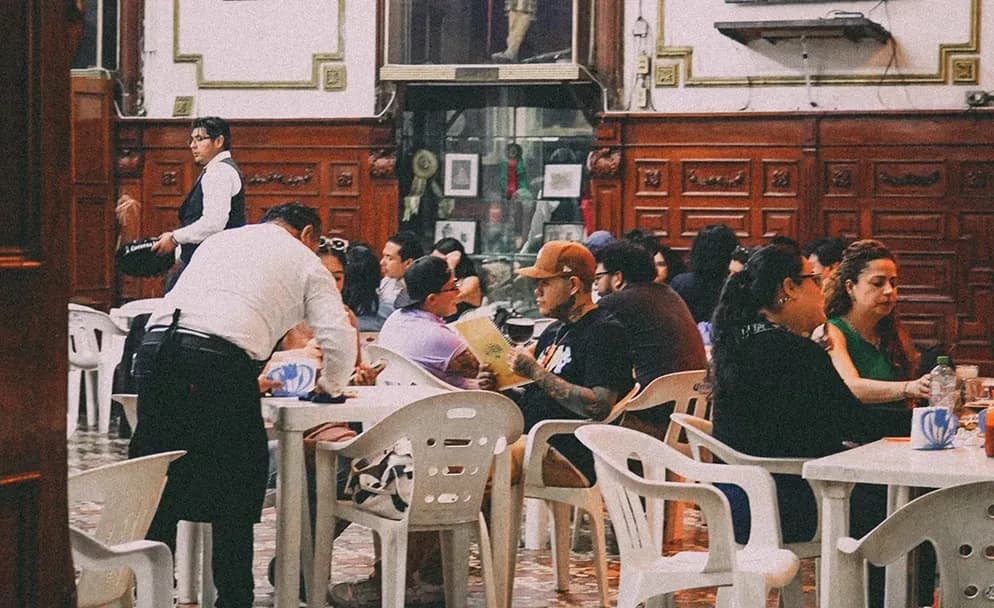
Office workers grab tacos between meetings. Families pick up tamales on the way to school. Night workers gather around late-night taco stands before heading home.
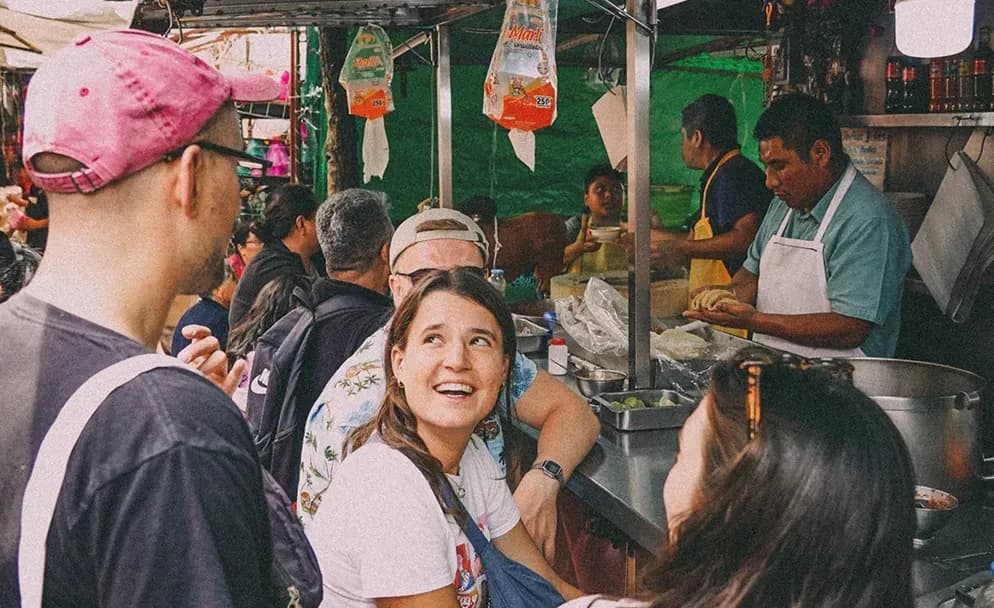
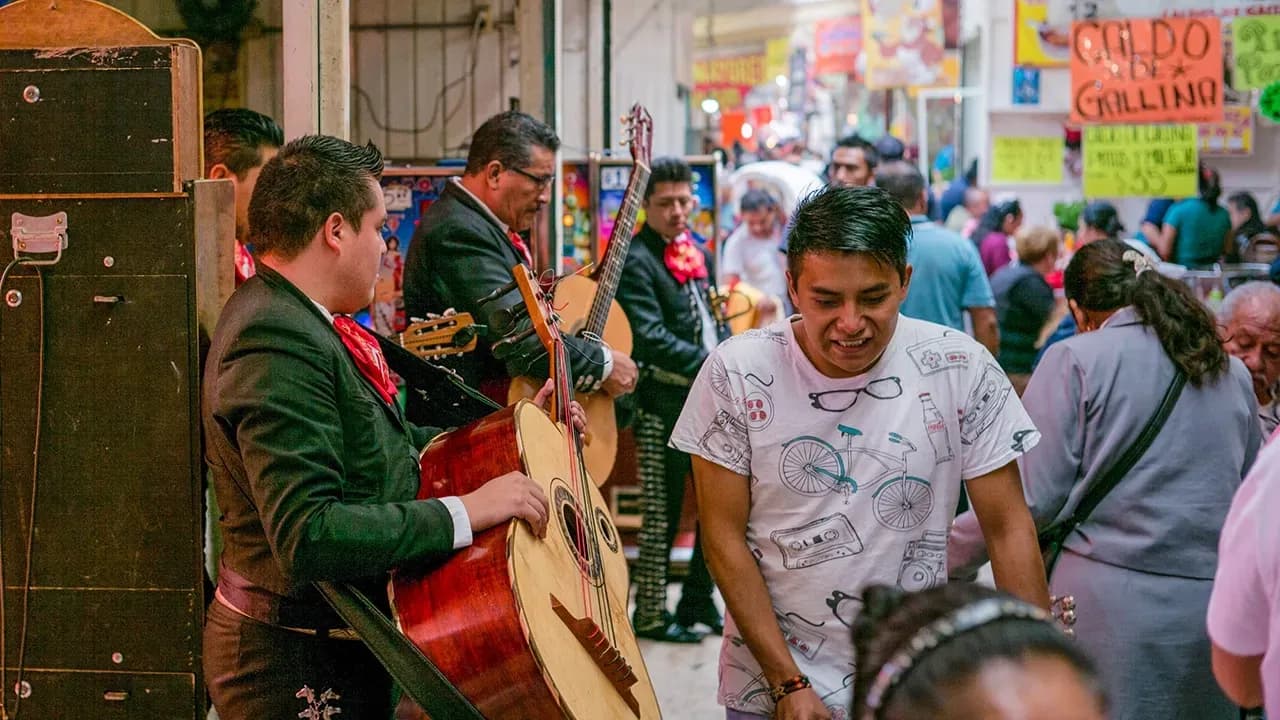
In many neighborhoods, street stalls serve as informal community centers. People stand shoulder to shoulder, share quick conversations, exchange neighborhood news, and then disappear back into the rhythm of the city.
Food moves quickly, but the culture around it remains deeply human.
Culture Is Never Static
Culture is never static. It behaves like something alive — adapting, mutating, and responding to the forces around it.
Street food in Mexico City reflects those pressures clearly.
Migration introduces new ingredients.
Economic changes reshape portions and pricing.
Recognition — from social media or the Michelin Guide — can transform a quiet neighborhood stand into an international destination almost overnight.
Some vendors embrace that attention. Others keep cooking exactly as they always have.
Understanding that tension is part of understanding the city.
The Essential Street Foods of Mexico City
While the options are endless, a few dishes form the backbone of the city’s street-food culture.
Suadero Tacos
If there is a taco that truly belongs to Mexico City, it is suadero.
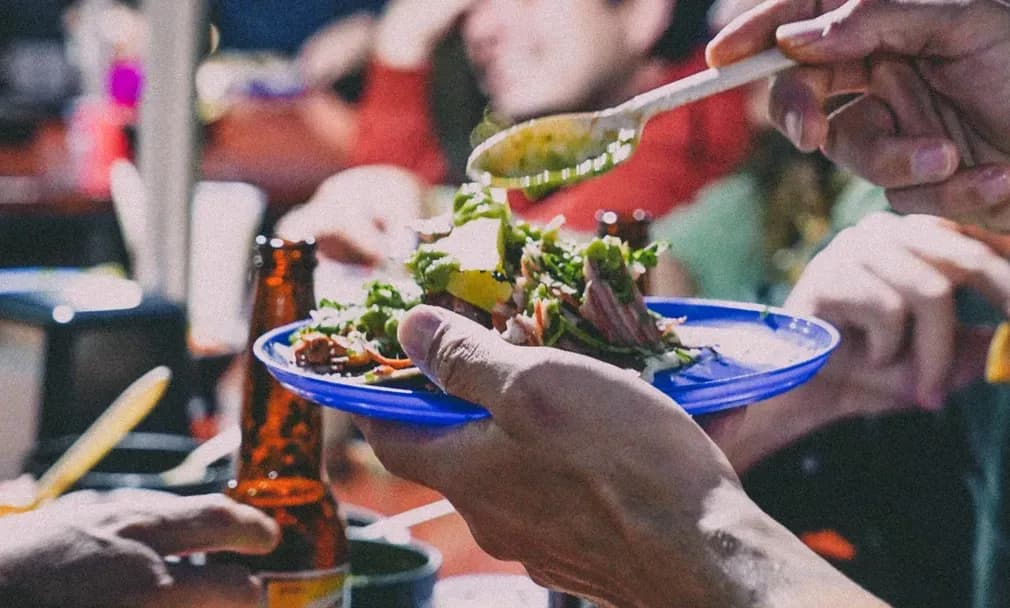
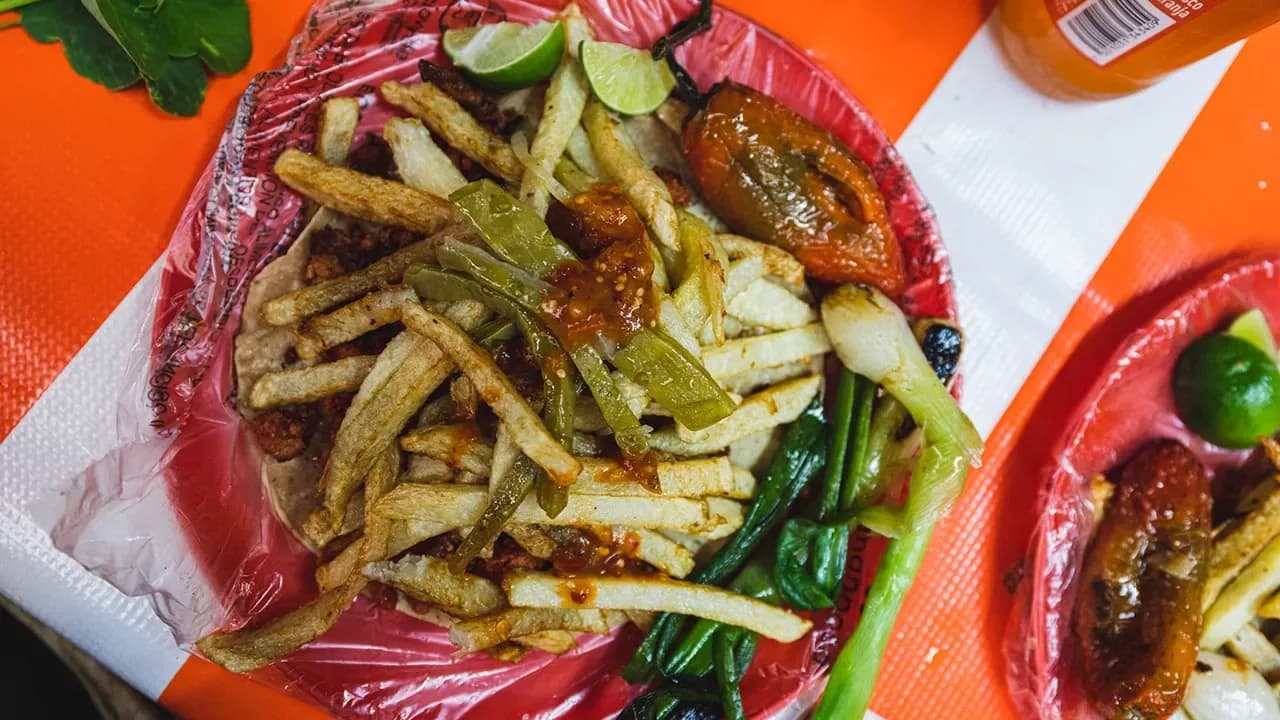
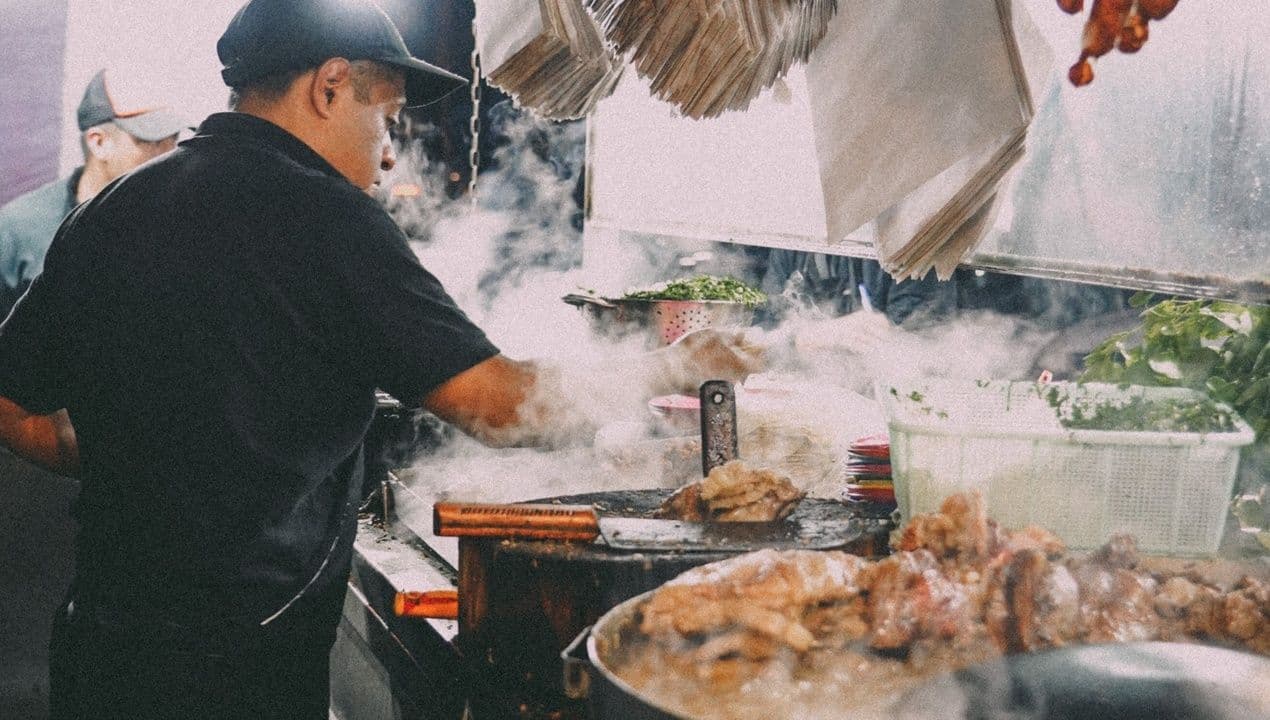
Suadero is cooked slowly in a wide metal pan called a comal, where beef simmers gently in a mixture of lard and water. Over time the meat becomes tender, juicy, and lightly crisp on the edges.
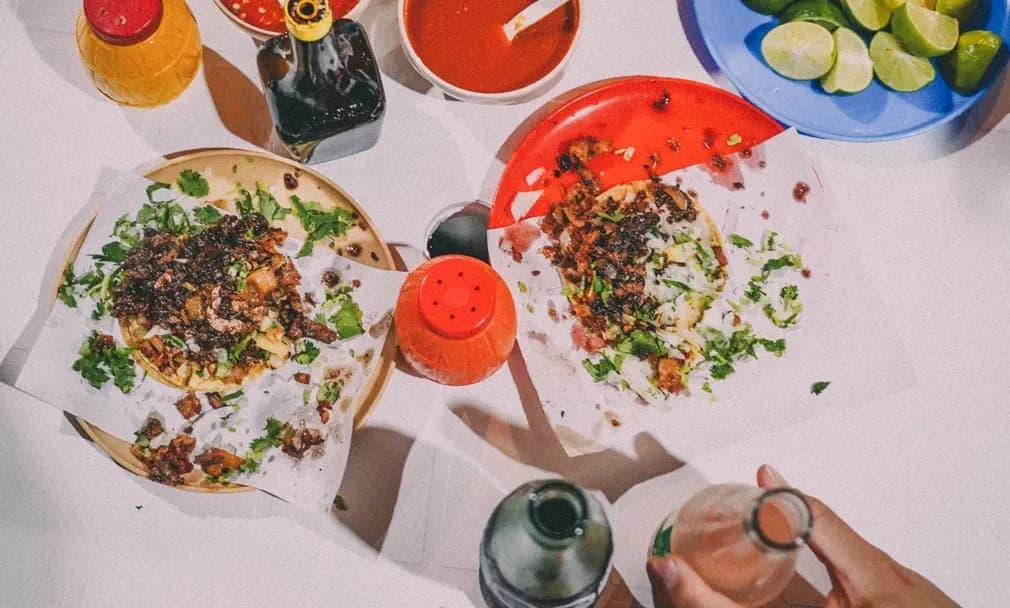
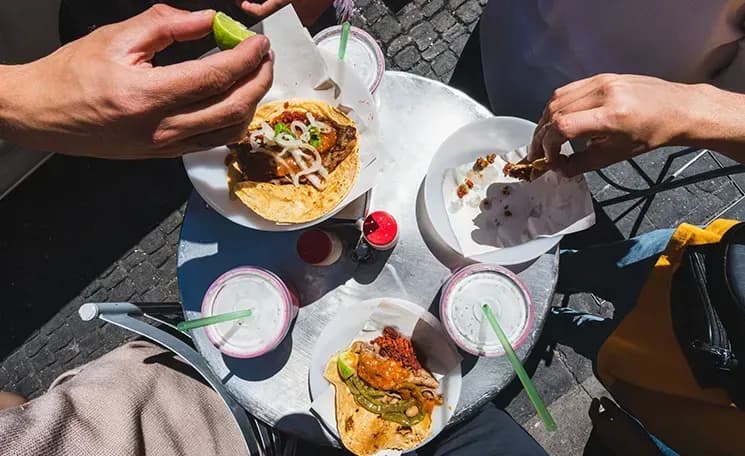
Late at night, suadero stands fill with people leaving bars, concerts, and late shifts. The tacos are simple: soft tortillas, chopped onion, cilantro, salsa, and lime.
No theatrics. Just balance, patience, and one of the city’s most beloved flavors.
Tacos al Pastor
Pastor tacos are the most internationally recognizable tacos associated with Mexico City.
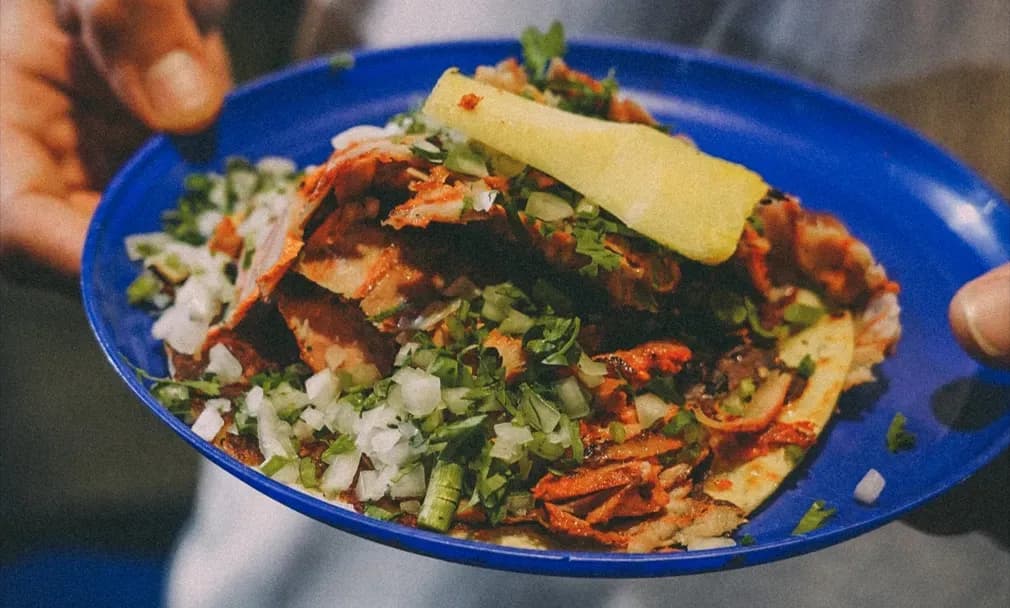
Thin slices of marinated pork spin on a vertical trompo, roasting slowly as the outer layers crisp. The taquero slices the meat directly onto a tortilla and finishes it with onion, cilantro, salsa, and often a small piece of pineapple.
The technique traces back to Lebanese migrants who brought shawarma-style cooking to Mexico, which the city eventually transformed into one of its defining street foods.
Birria
Originally from the state of Jalisco, birria has become increasingly popular in Mexico City.
The meat — often goat, sometimes beef — is cooked slowly in a rich broth with chiles and spices until deeply tender. The tacos are served alongside a cup of the broth, allowing you to dip the tortillas and intensify the flavor.
The result is messy, rich, and incredibly satisfying.
Carnitas
Carnitas originate in the state of Michoacán, one of the great pork-cooking regions of Mexico.
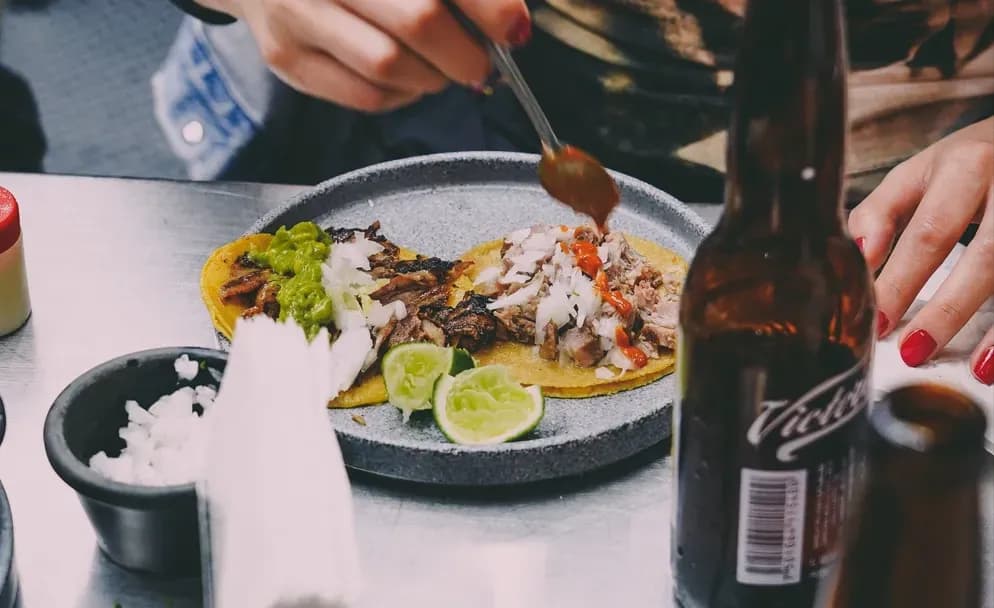
Pork is slowly cooked in its own fat until tender inside. Vendors often offer different cuts — from lean meat to richer pieces.
Carnitas tacos are usually served simply with cilantro, onion, salsa, and lime.
Tamales
In the mornings, tamales dominate the streets.
Corn dough is filled with meat, salsa, or sweet ingredients, wrapped in corn husks, and steamed until soft. Many vendors carry large metal containers, selling tamales alongside hot drinks like atole or champurrado.
For many residents, this is the breakfast of the city.
Street Food Neighborhoods Worth Exploring
Different neighborhoods have different rhythms of food.
Some areas specialize in markets, others in taquerías, and others in late-night street stalls.
A few neighborhoods known for strong street-food culture include:
Narvarte – Famous for excellent taco stands and late-night eating.
Centro Histórico and La Merced – Dense markets, historic stalls, and incredible variety.
Roma and Condesa – A mix of traditional stands and modern food culture.
Coyoacán – Markets, snacks, and traditional street sweets.
Each area offers a slightly different window into how the city eats.
The Learning Curve of Street Food
For newcomers, street food can feel chaotic at first.
Which stalls are safe?
Which ones are actually good?
Why do locals line up at certain stands while others sit empty?
Over time, patterns emerge.
Busy stands often indicate freshness. Vendors specializing in one dish usually produce the best versions of it. And the most beloved stalls tend to attract a mix of regulars rather than only tourists.
But learning these signals takes time.
How Food Tours Help You Understand the City
A well-designed food tour accelerates that learning curve.
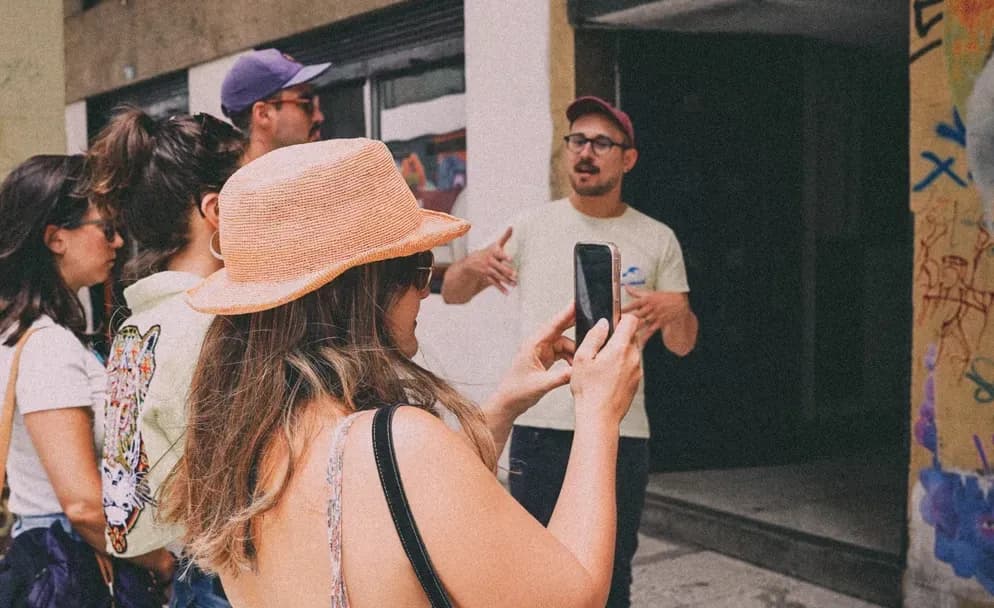
Instead of wandering randomly, you begin to understand the structure behind the food culture: why certain neighborhoods specialize in certain dishes, how vendors operate, and what signals locals use to judge quality.
You also begin to see the social dimension of street food — the small interactions, the neighborhood rhythms, the subtle etiquette that surrounds ordering and eating.
A good food tour doesn’t just feed you.
It teaches you how the city works.
The Difference Between Eating and Understanding
Anyone can eat a taco in Mexico City.
Understanding what you are seeing requires a little more time.
You begin to notice:
– Which meats dominate certain neighborhoods
– Why some stands open only at night
– How market stalls organize themselves
– Who eats standing and who sits
– Who has time — and who doesn’t
– What has changed — and what refuses to
Street food in Mexico City is not aesthetic. It is structural.
A real cultural encounter doesn’t give you answers. It sharpens your perception. It leaves you with better questions.
That is the difference between tasting the city and beginning to understand it.
Want to Experience Mexico City’s Street Food Culture?
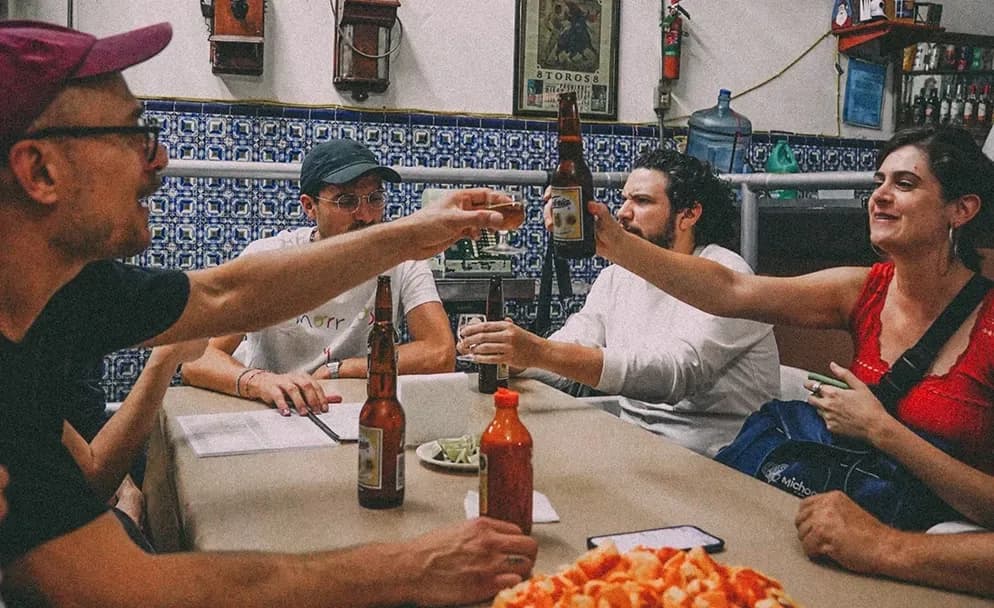
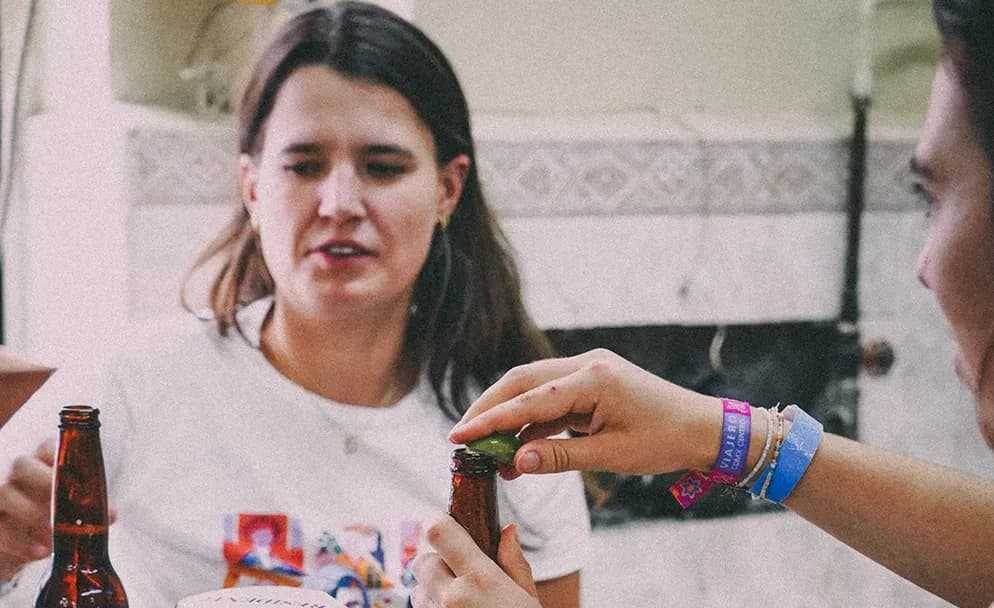
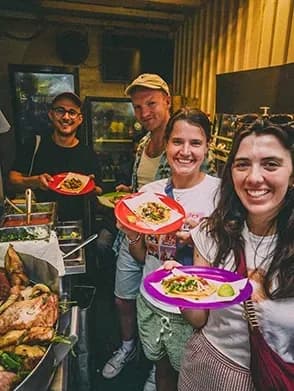
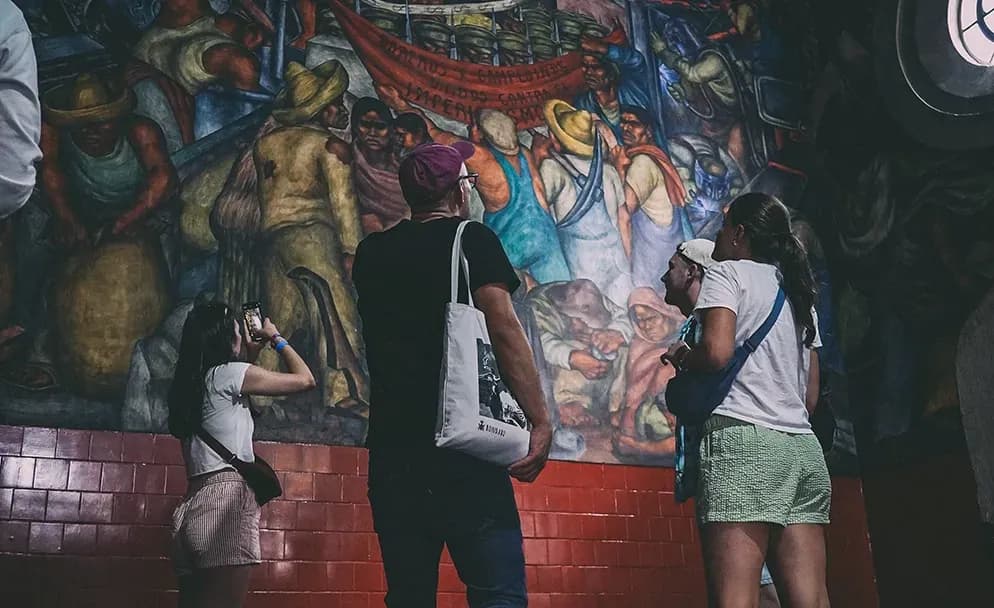
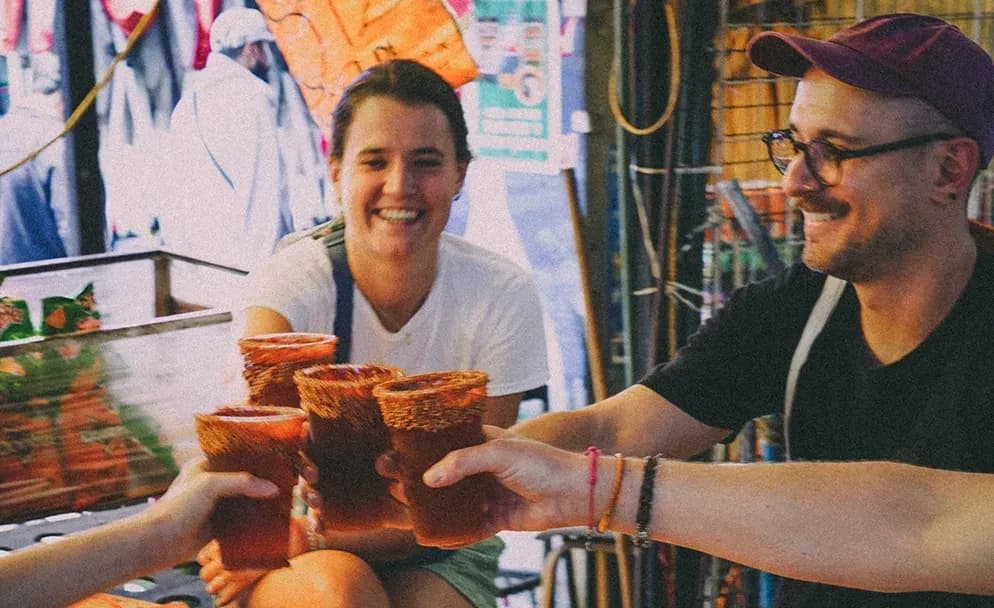
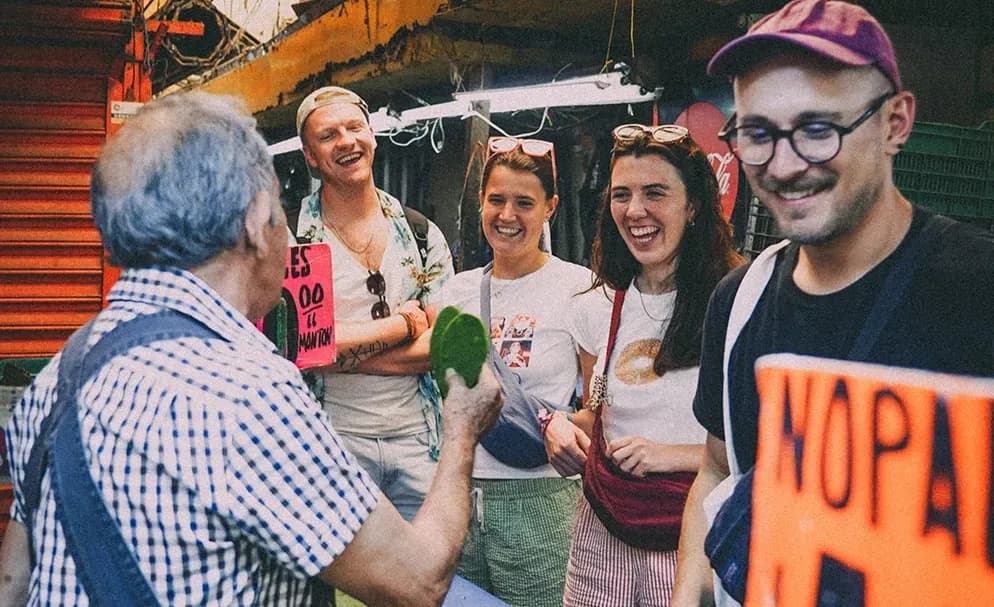
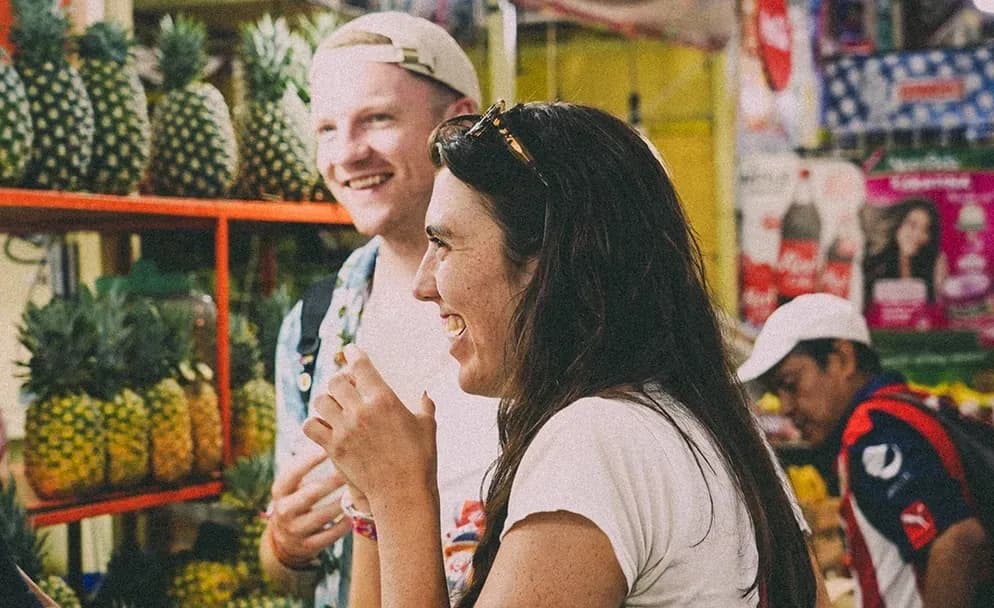
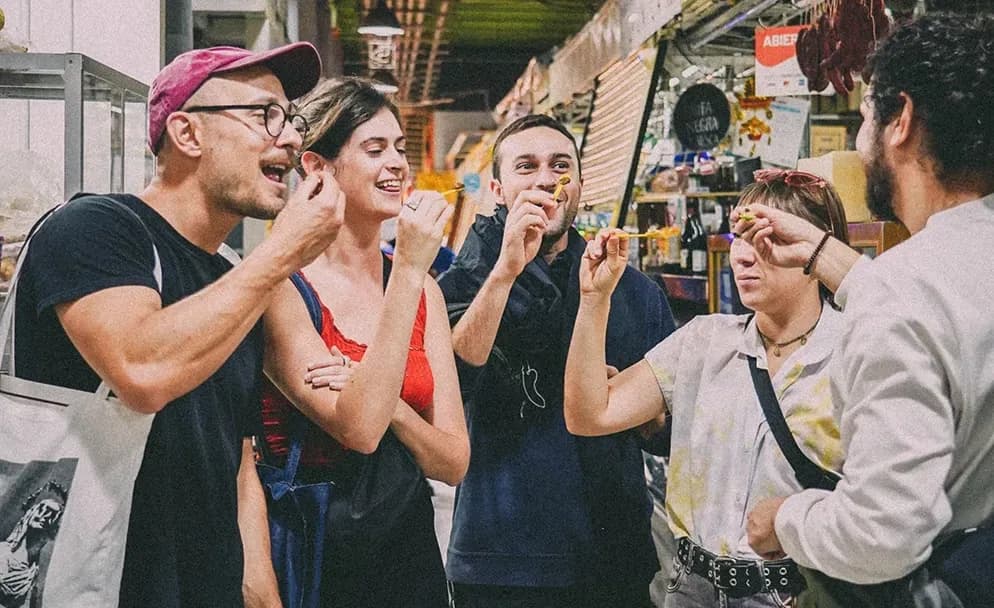
Bondabu’s Real Meal, Deep Mexico and Tacos, Love at First Bite tours explore the markets, taco stands, cantinas, and neighborhoods that define the city’s food culture.
The goal is not simply to try dishes, but to understand the rhythm behind them.
Because the best way to learn a city is often to stand at a taco stand and watch how it eats.