
Is Quito Worth Visiting? What to Know Before You Go
Is Quito worth visiting? Discover what makes Ecuador’s capital unique, what to expect, and how to experience the city beyond typical travel guides.
Culture | Apr 28, 2026
Is Quito Worth Visiting? A Real Look Beyond the Andes
Quito is not a city that tries to convince you.
It doesn’t overwhelm you with landmarks or obvious narratives. It doesn’t perform itself loudly. At first, it can even feel quiet — slower, less immediate, harder to read.
So it’s a fair question:
Is Quito worth visiting?
The answer depends on what you expect from a city.
Quick Answer: Is Quito Worth Visiting?
Yes — Quito is worth visiting if you are looking for:
– authentic local culture, not performance
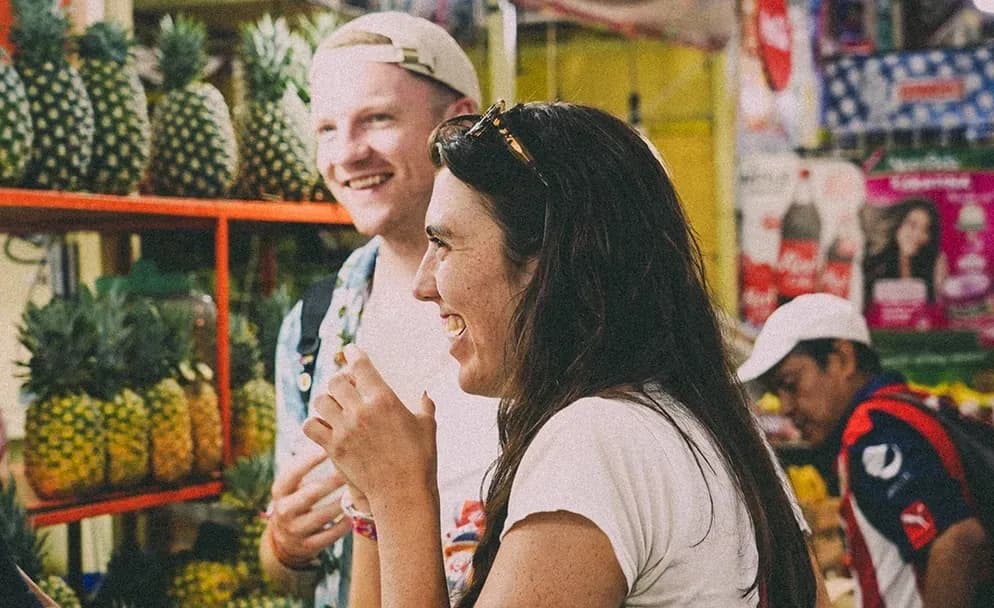
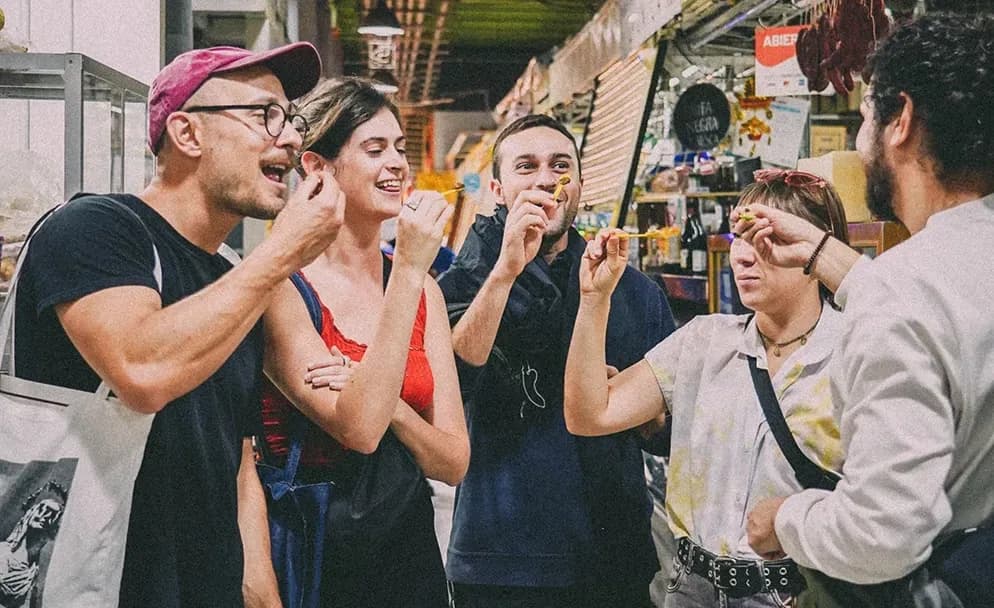
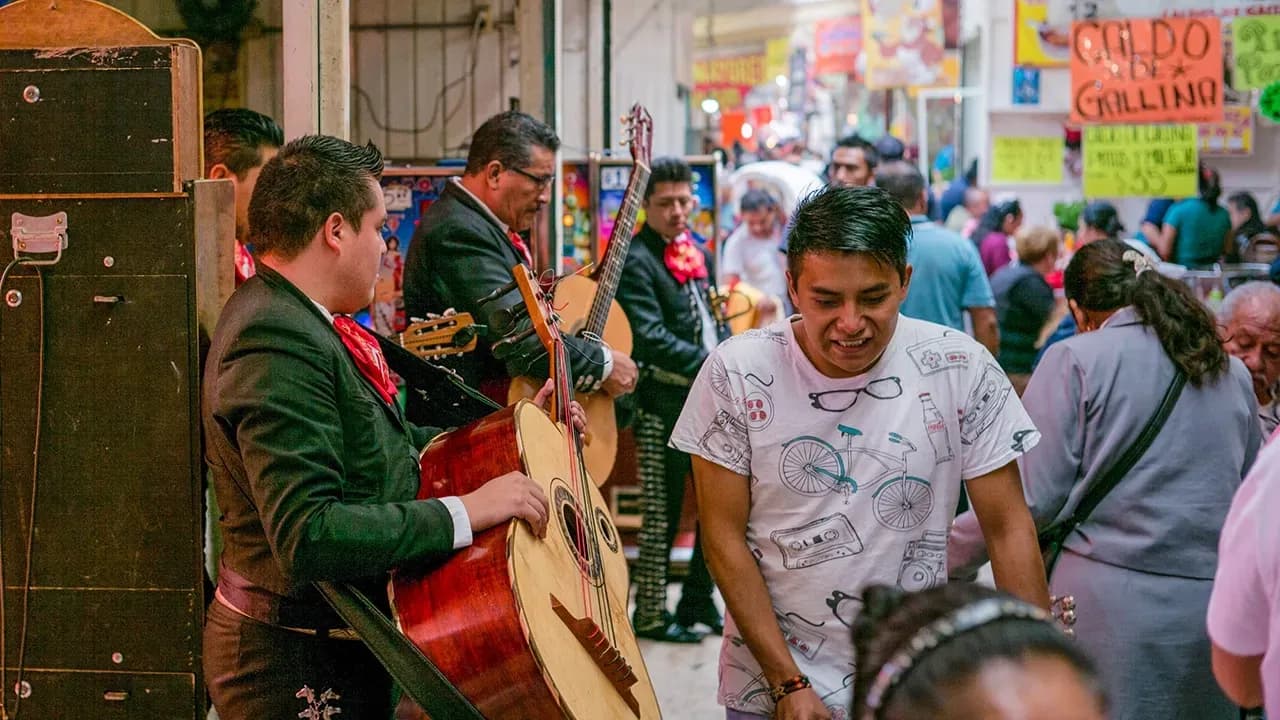
– markets, street food, and everyday life
– access to nature within short distances
– a slower, more observational travel experience
It may not be the right city if you are expecting:
– constant high-energy attractions
– highly curated tourism infrastructure
– a fast-paced, “checklist” destination
Quito rewards attention, not speed.
What Makes Quito Different
Quito sits high in the Andes, surrounded by mountains that define its rhythm.
Altitude changes how the city feels. The air is thinner. Movement slows down. Days are bright, nights are cool, and everything operates at a slightly different pace.
Unlike larger Latin American capitals, Quito doesn’t try to compete for attention. It exists in its own scale.
You don’t experience it by rushing.
You experience it by adjusting.
The Historic Center: More Than Architecture
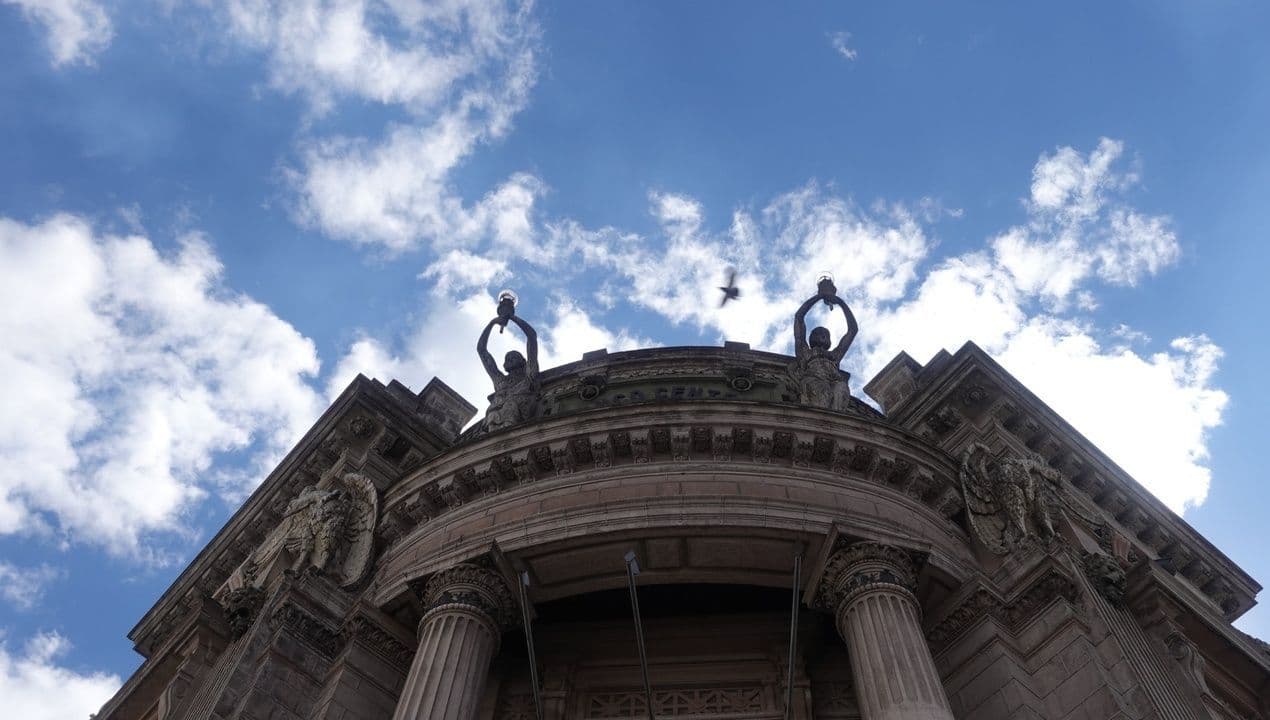
Quito’s historic center is one of the largest and best-preserved in Latin America.
But it’s not just about churches and colonial buildings.
It’s about:
– how people move through the plazas
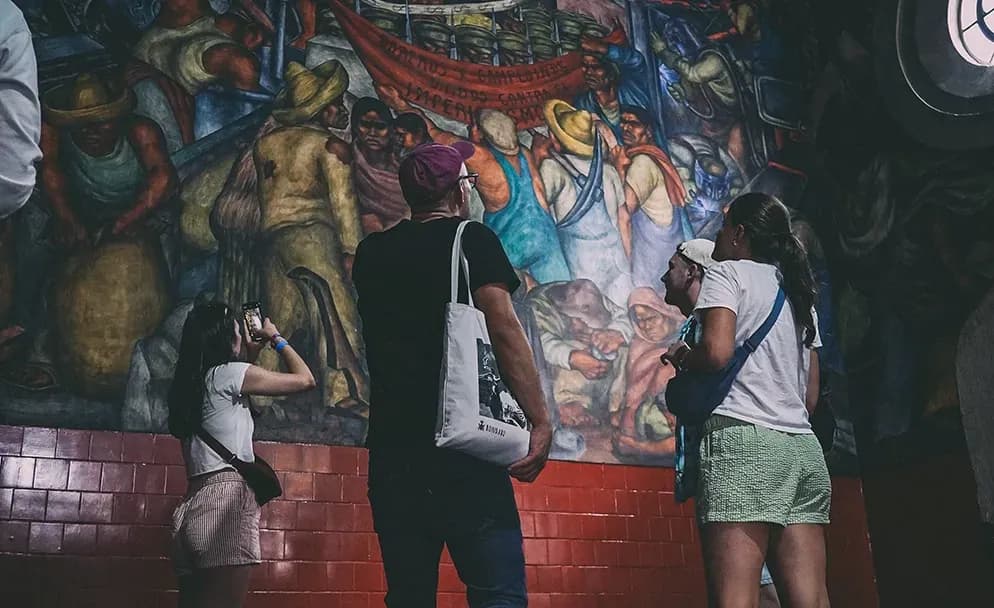
– how daily life unfolds around historic structures
– how past and present overlap without being separated
You can walk for hours and feel like nothing is happening — until you start noticing details.
Food as an Entry Point
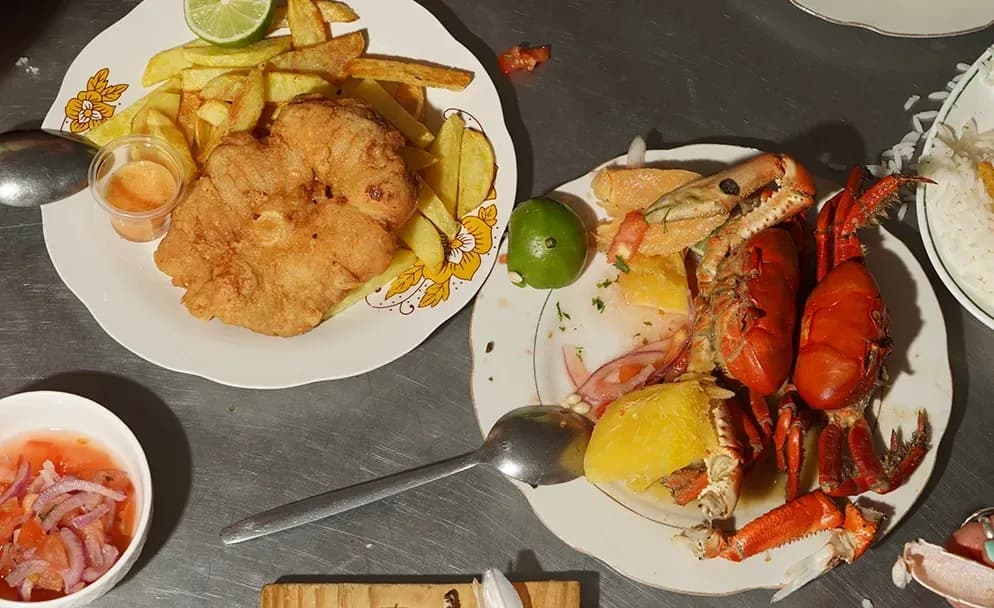
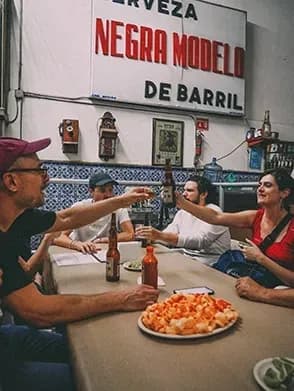
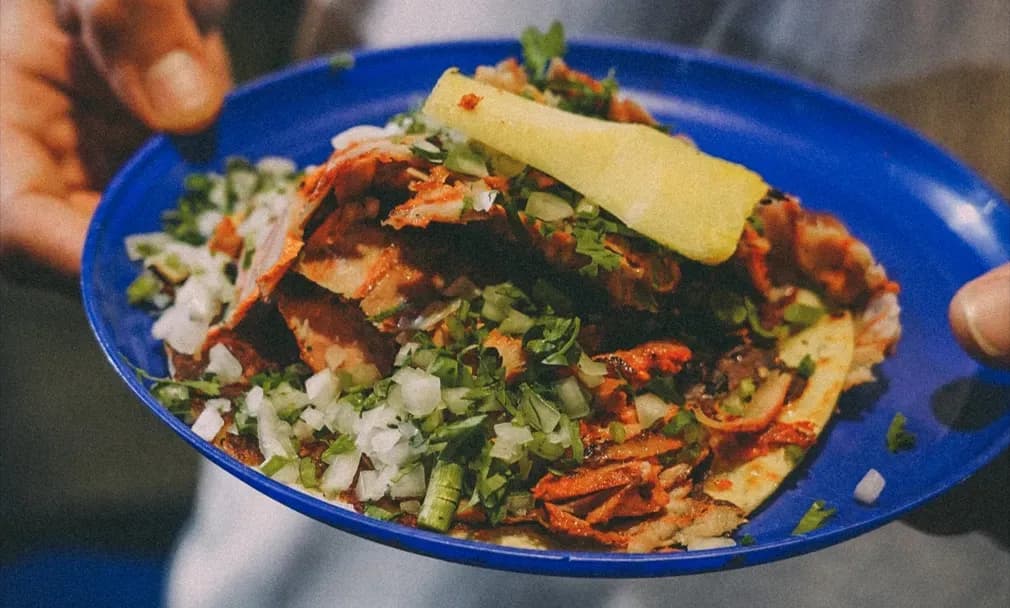
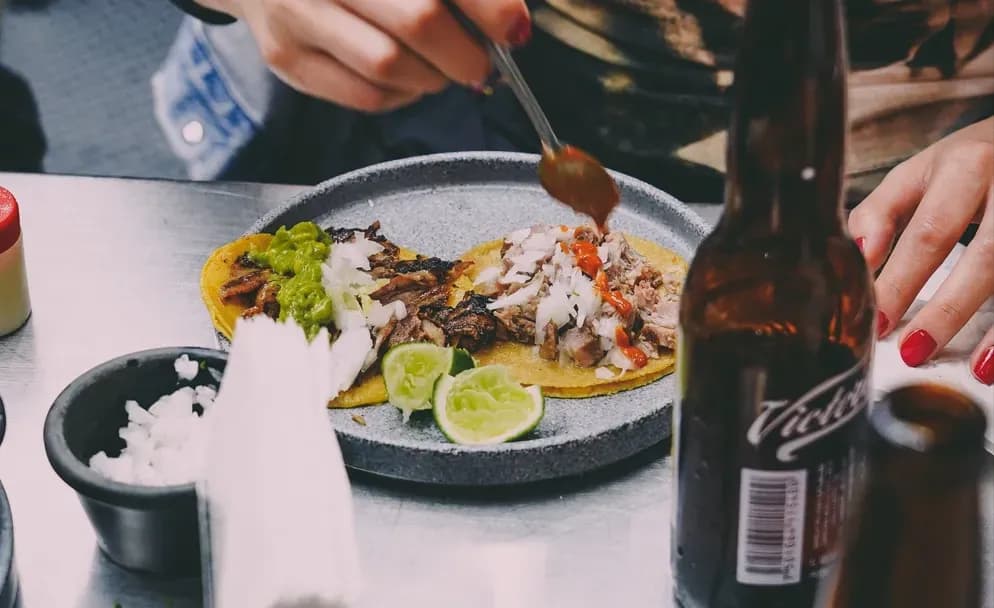
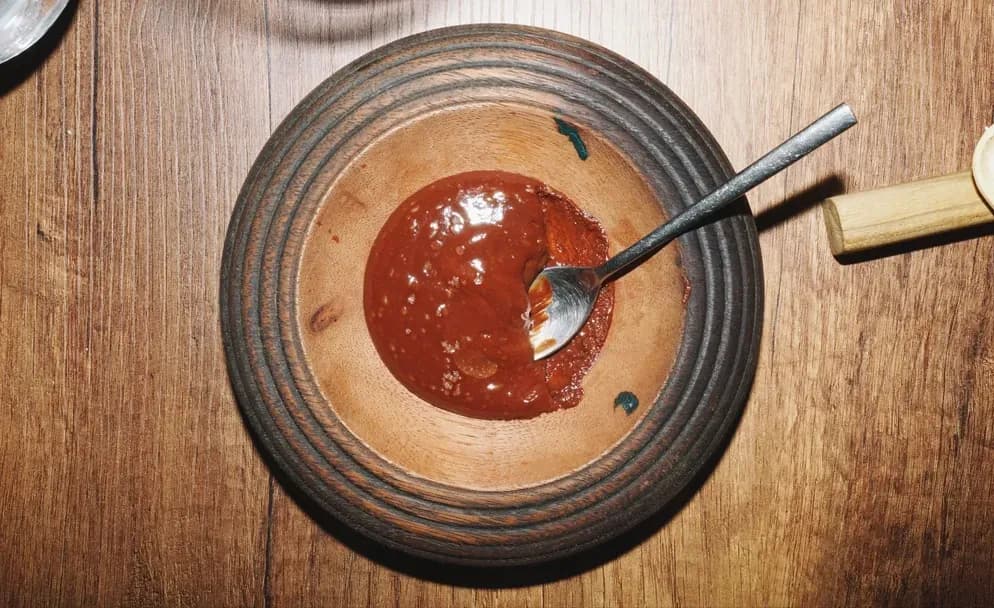
One of the most direct ways to understand Quito is through its food.
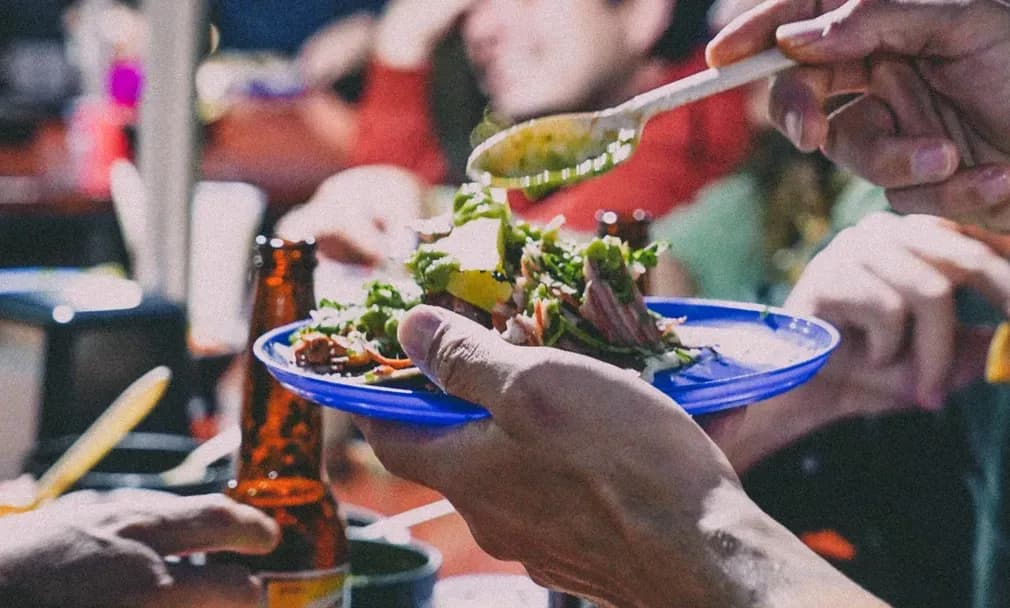
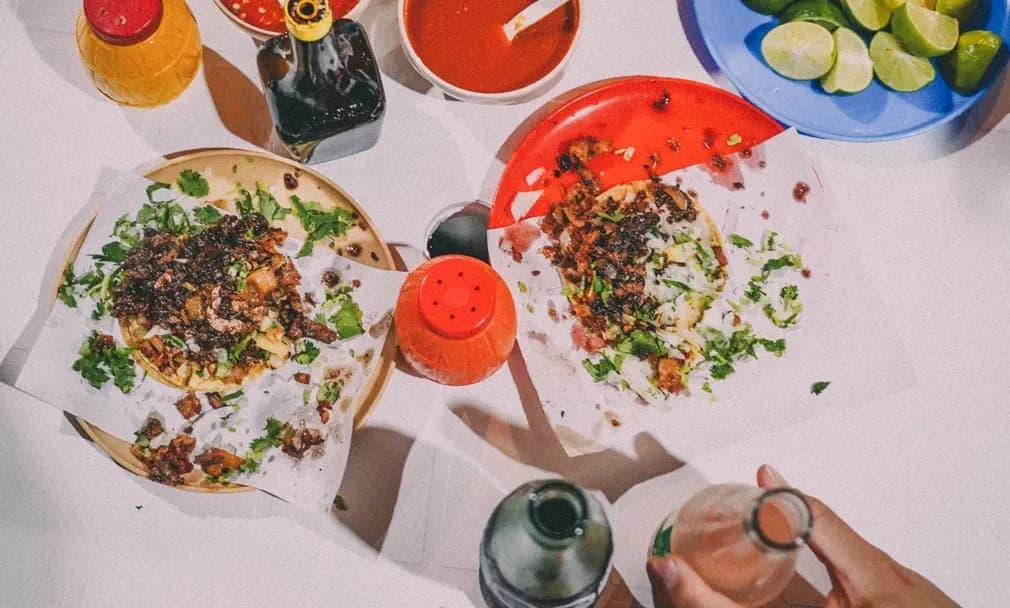
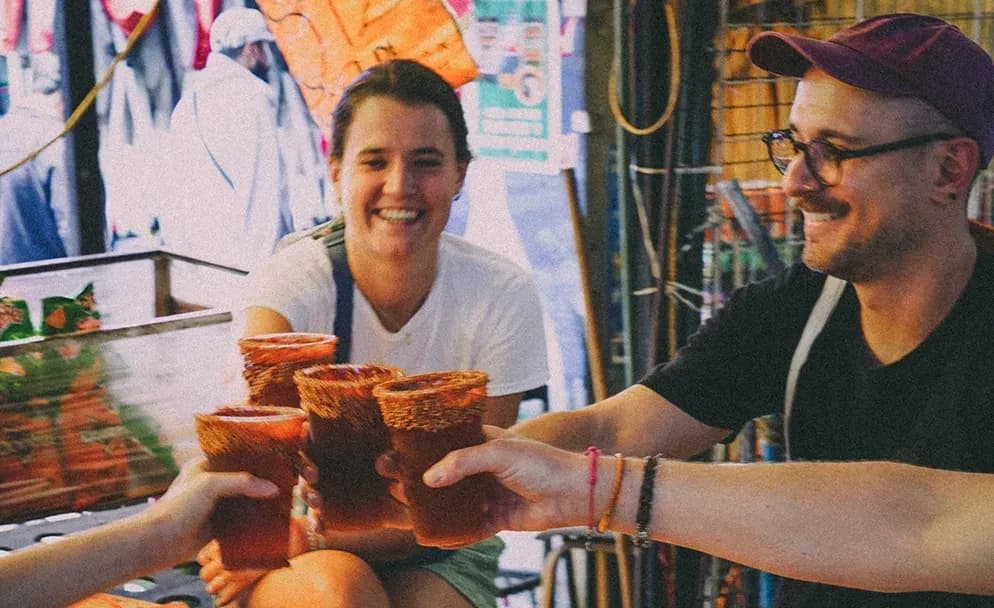
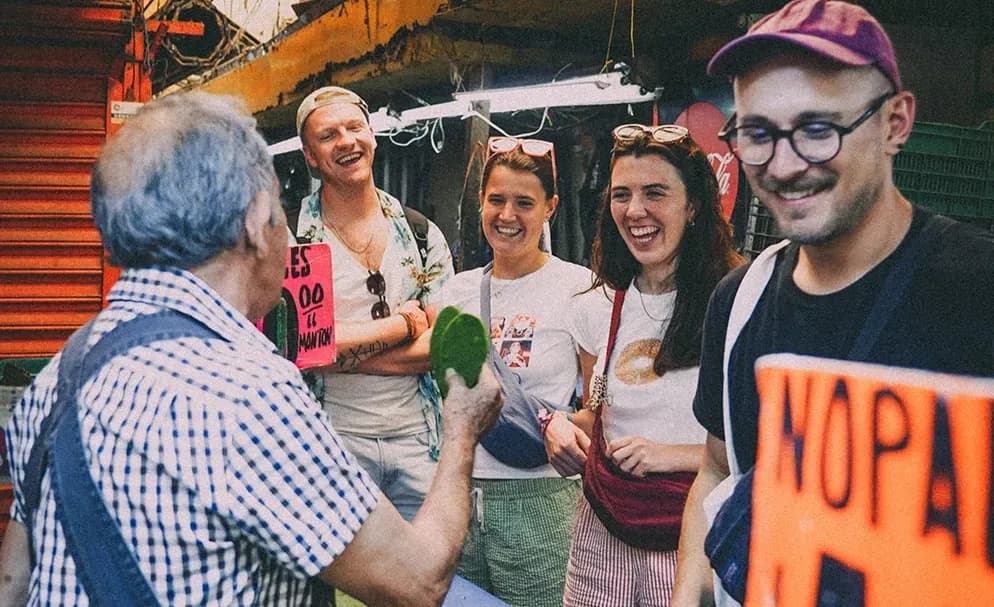
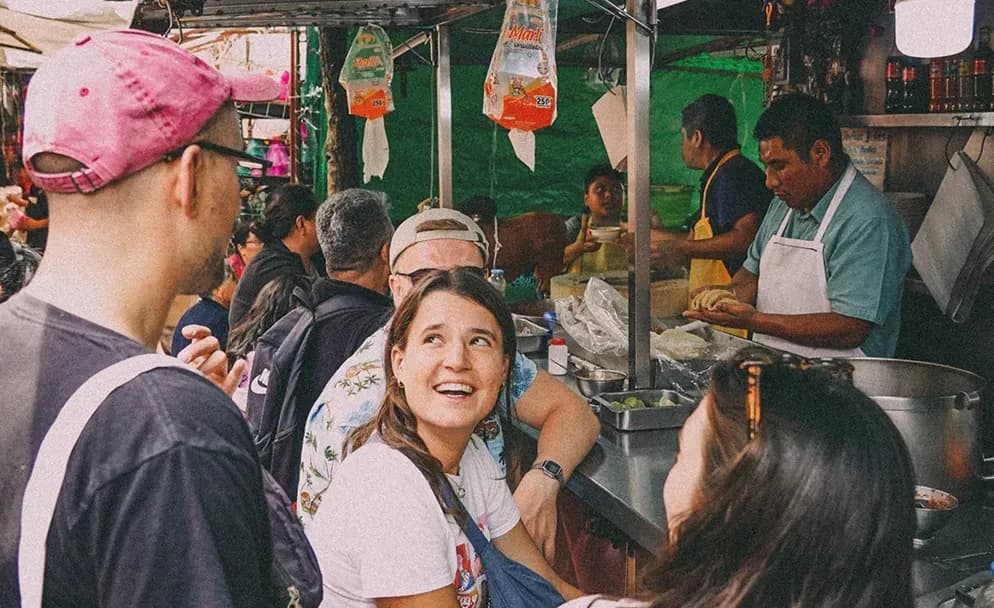
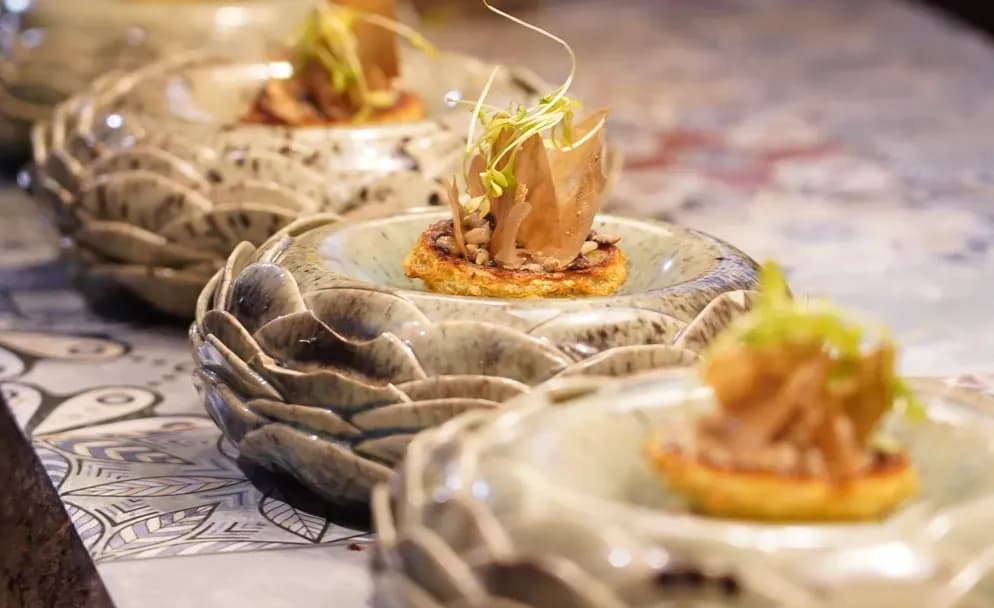
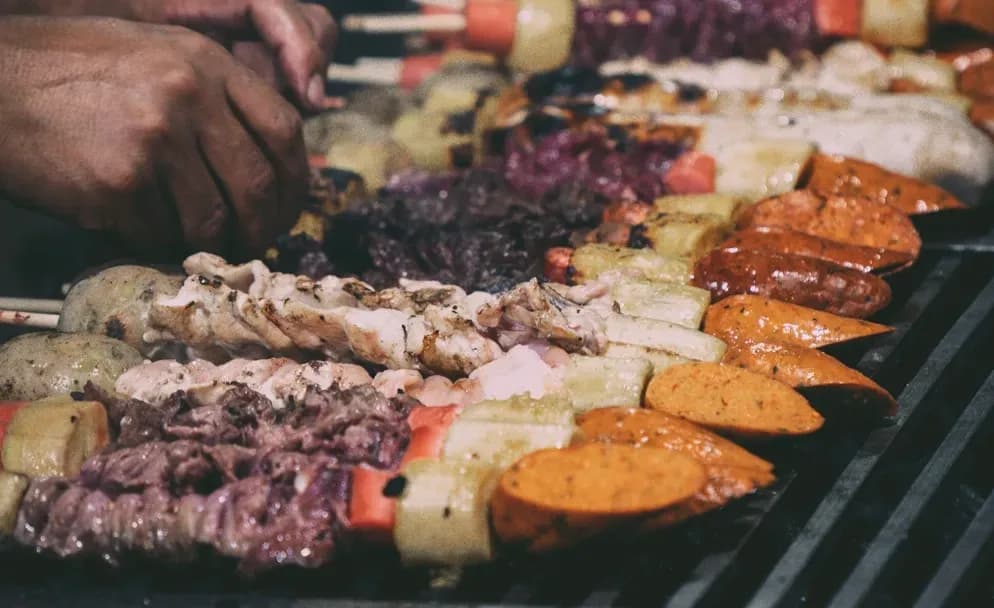
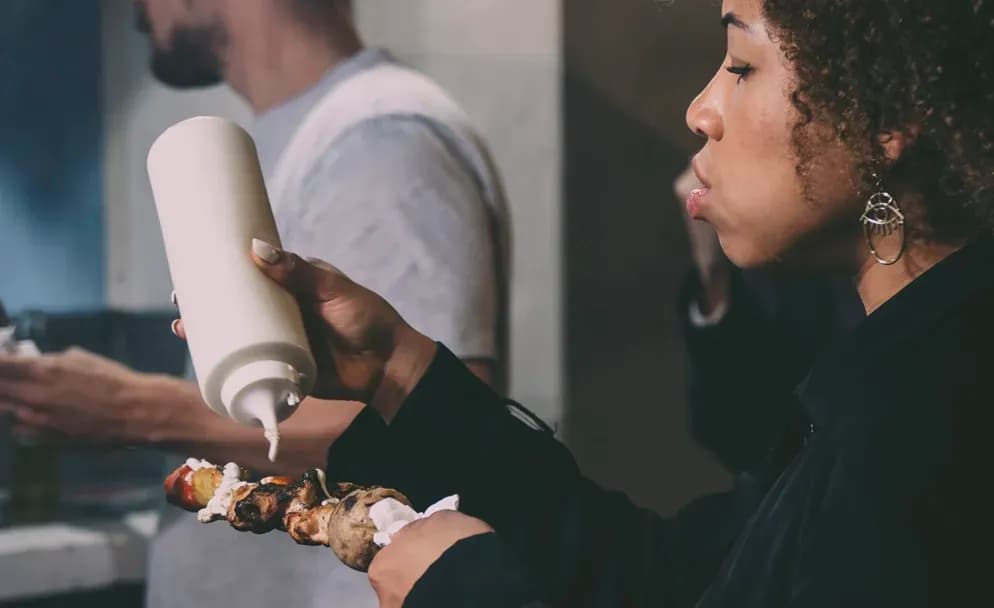
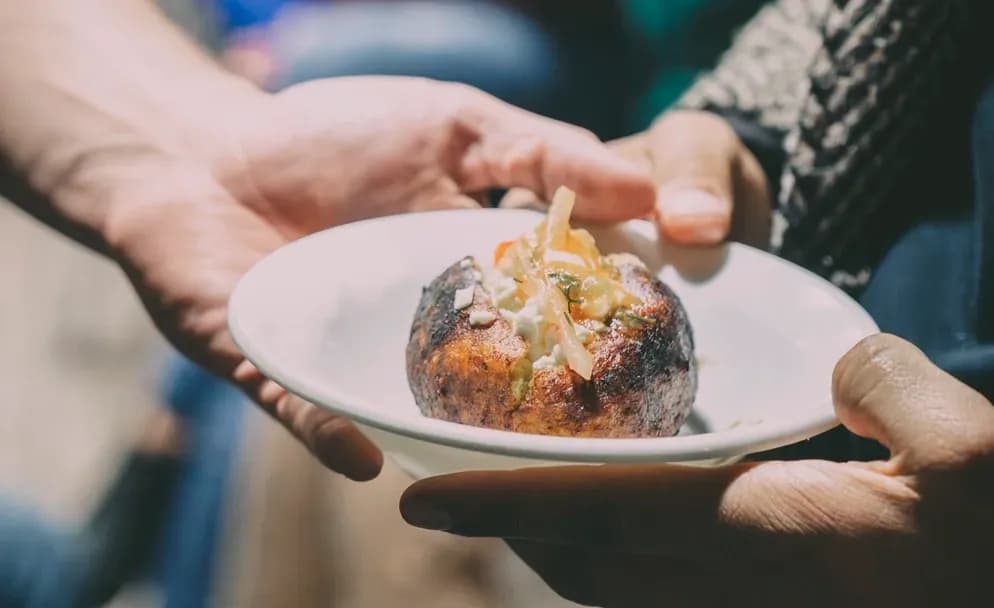
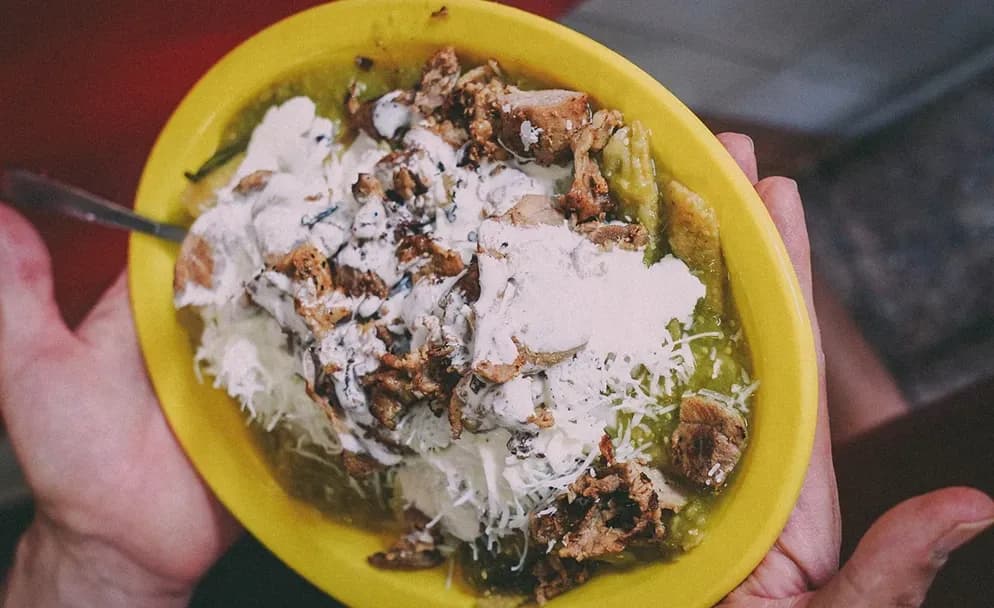
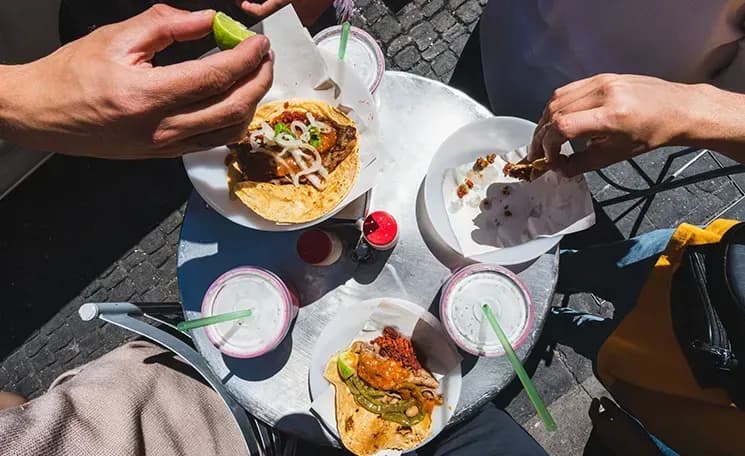
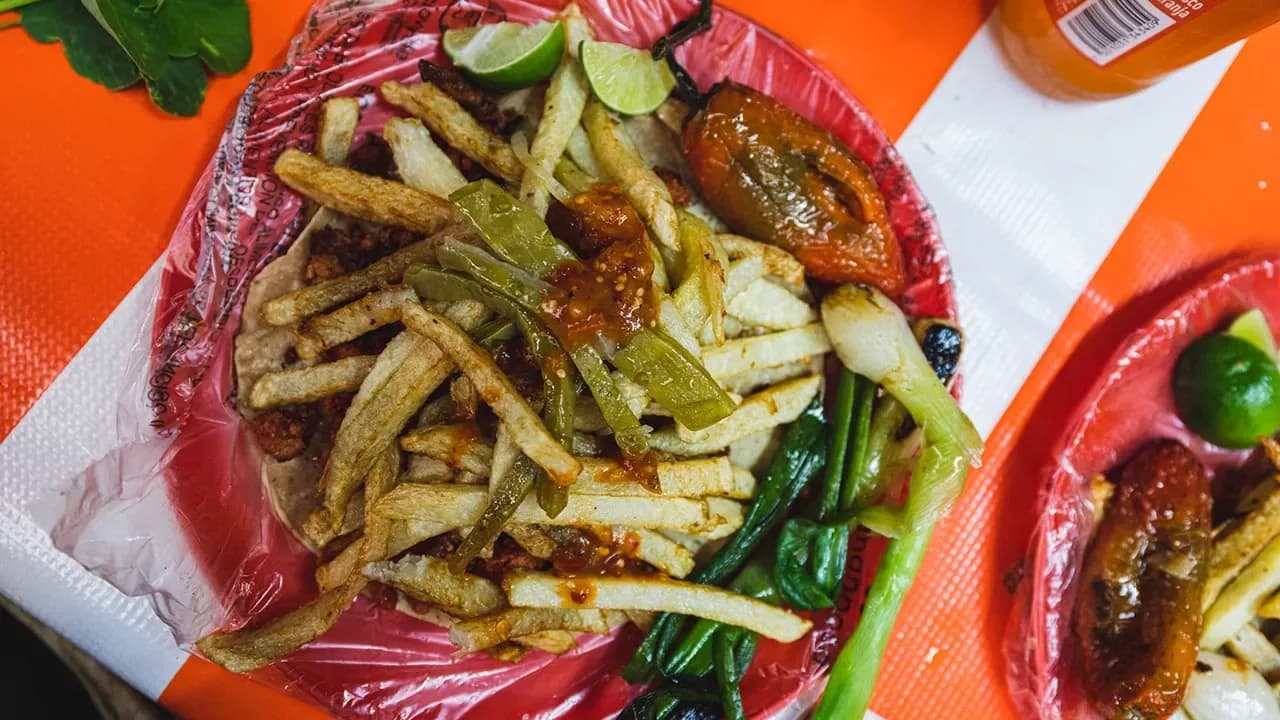
Markets, street stalls, and small kitchens reveal more about the city than formal attractions.
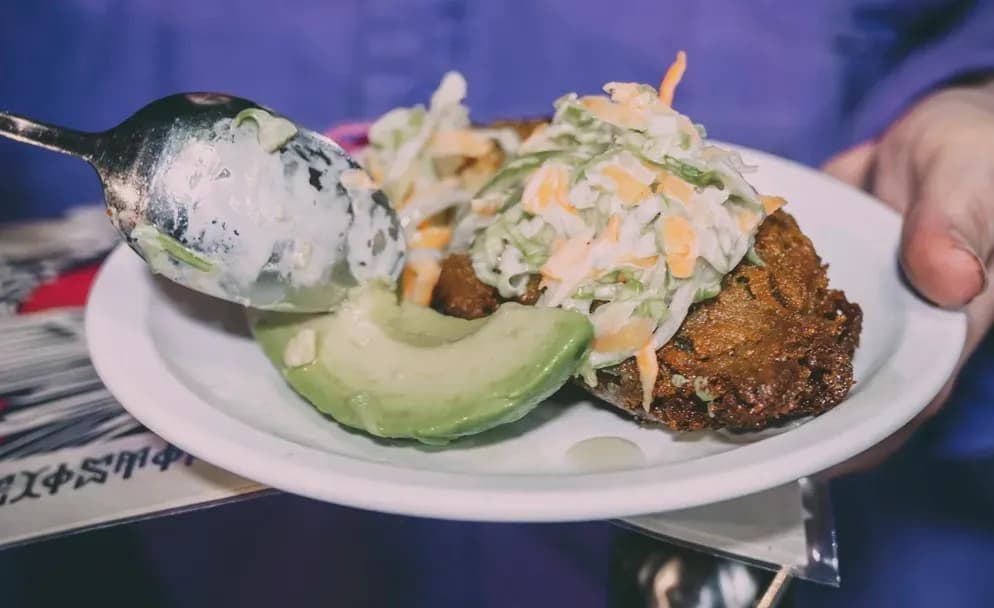
Dishes like:
– hornado
– llapingachos
– seco de pollo
– empanadas de viento
are not just meals. They are part of daily structure.
If you want a deeper understanding, see The Ultimate Guide to Ecuadorian Food in Quito.
Nature Is Always Close
One of Quito’s biggest strengths is its proximity to nature.
Within a few hours, you can reach:
– cloud forests in Mindo
– high-altitude landscapes in the Andes
– indigenous markets like Otavalo
- hot spring in Papallacta
This makes Quito less of a standalone destination and more of a base for exploration.
The city works best when combined with its surroundings.
Culture Is Never Static
Culture is never static. It behaves like something alive — adapting, mutating, and responding to the forces around it.
Quito reflects that quietly.
You see it in:
– evolving neighborhoods
– shifting food culture
– small changes in how spaces are used
It’s not dramatic. But it’s constant.
The Learning Curve
Quito is not immediately obvious.
You may find it:
– calm to the point of confusion
– less visually stimulating than expected
– harder to “read” than other cities
That’s part of the experience.
The city doesn’t present itself in a single narrative. It reveals itself in fragments.
The more time you spend, the more coherent it becomes.
How Many Days Do You Need in Quito?
Most travelers spend 2 to 3 days in Quito.
That’s enough time to:
– explore the historic center
– visit markets
– experience local food
– take a short day trip
Longer stays allow for deeper understanding, but even a short visit can be meaningful if approached with the right expectations.
Is Quito Safe for Travelers?
Like most major cities, Quito requires awareness.
In general:
– central areas during the day are accessible
– markets and tourist zones are active and populated
– basic precautions (no valuables on display, awareness of surroundings) go a long way
The experience of safety depends largely on how you move through the city.
Quito vs Other South American Cities
Compared to cities like Mexico City, Lima, or Bogotá:
– Quito is smaller
– less overwhelming
– less driven by global trends
It offers less spectacle — but more subtlety.
If you’re looking for intensity, it may feel quiet.
If you’re looking for depth, it delivers.
The Difference Between Visiting and Understanding
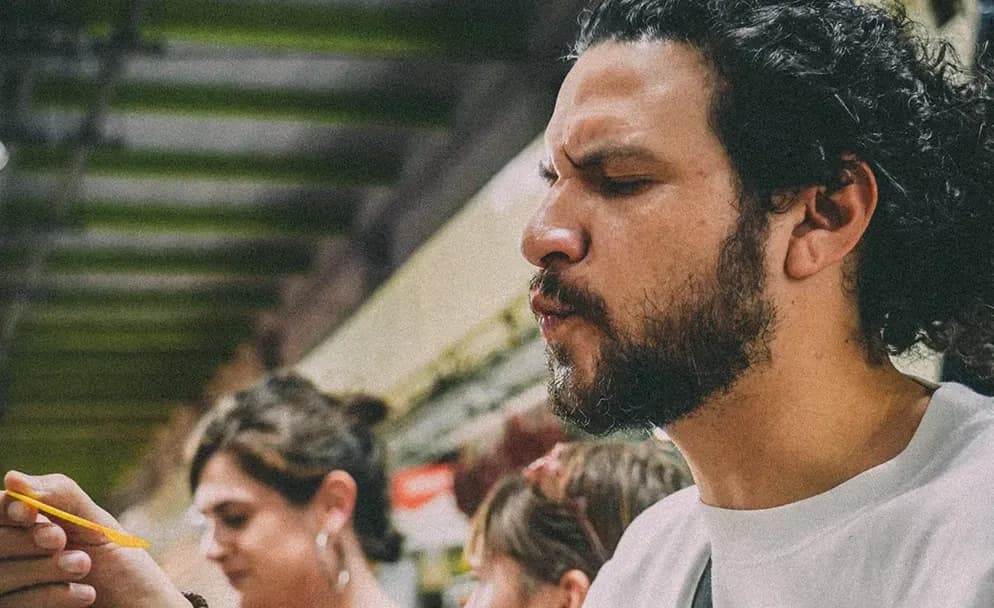
You can visit Quito and leave without fully understanding it.
Or you can slow down and start noticing:
– how people eat
– how markets operate
– how the city moves
– how nature and urban life intersect
A real cultural encounter doesn’t give you answers. It sharpens your perception. It leaves you with better questions.
So, Is Quito Worth Visiting?
Yes — but only if you meet it on its terms.
Quito is not a city that performs for visitors.
It’s a city that reveals itself slowly, through routine, food, and observation.
If you’re willing to adjust your pace, it becomes one of the most grounded and authentic experiences in South America.
Want to Experience Quito With Context?
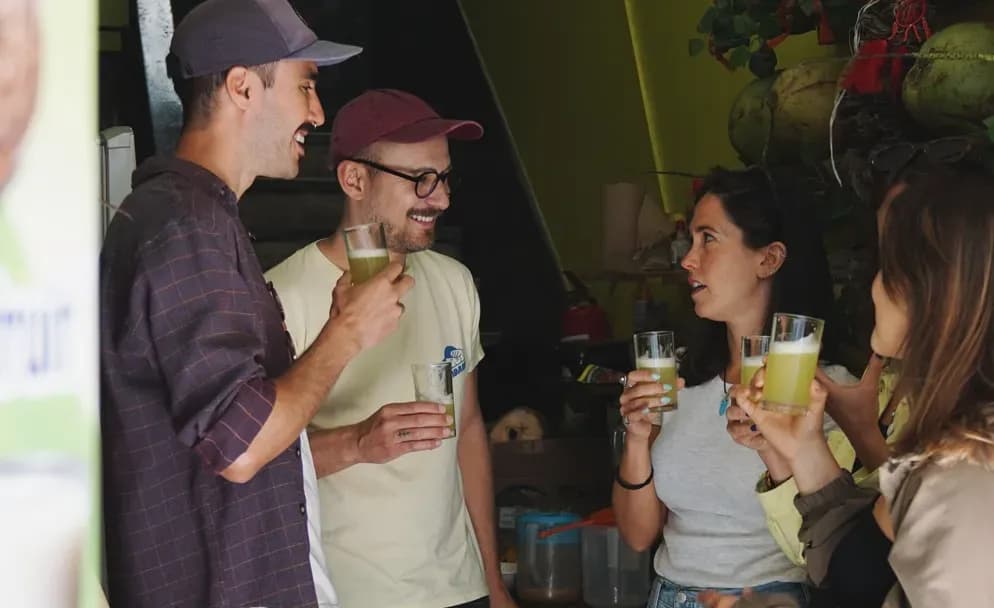
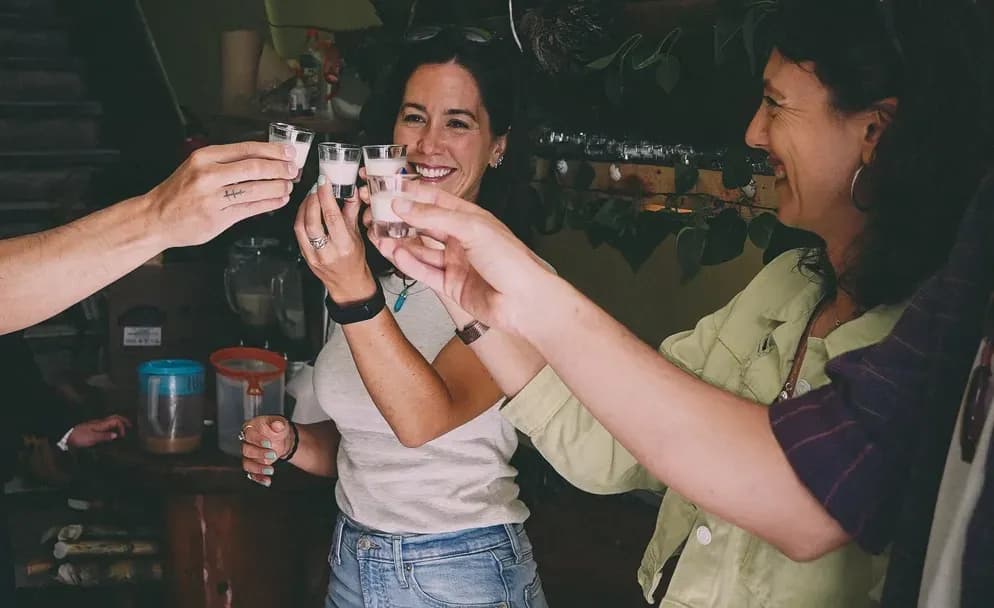
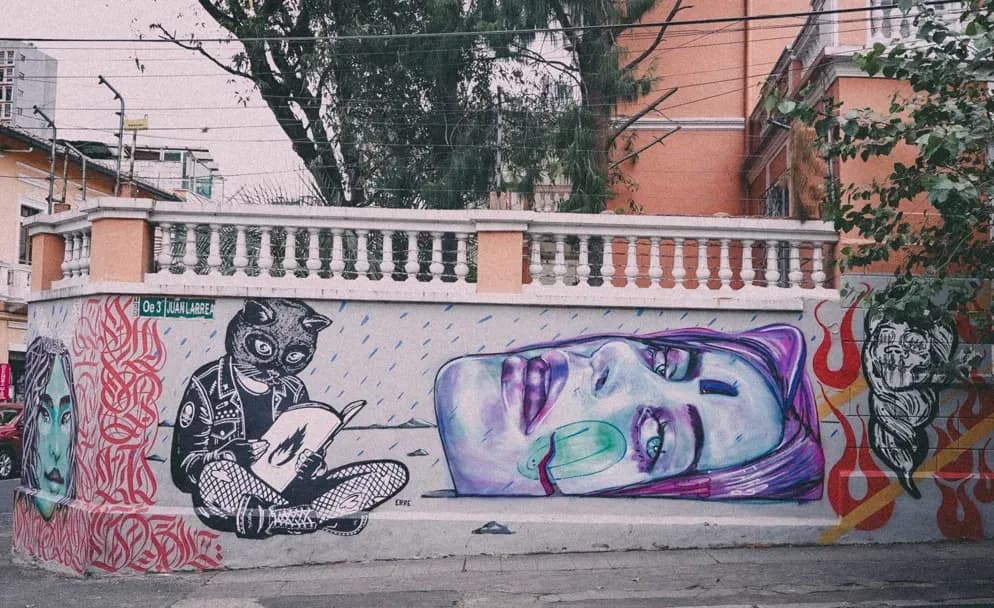
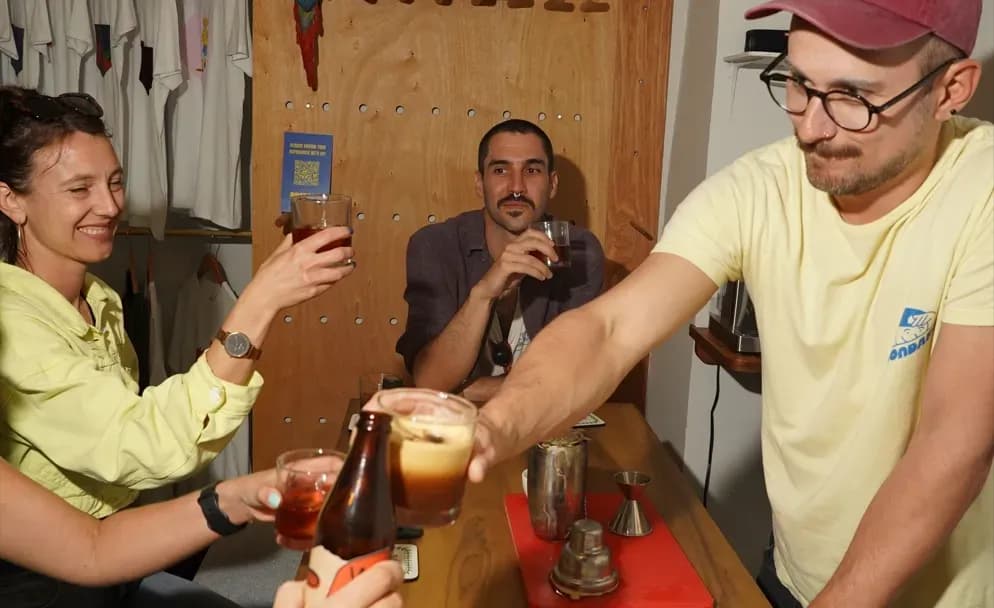
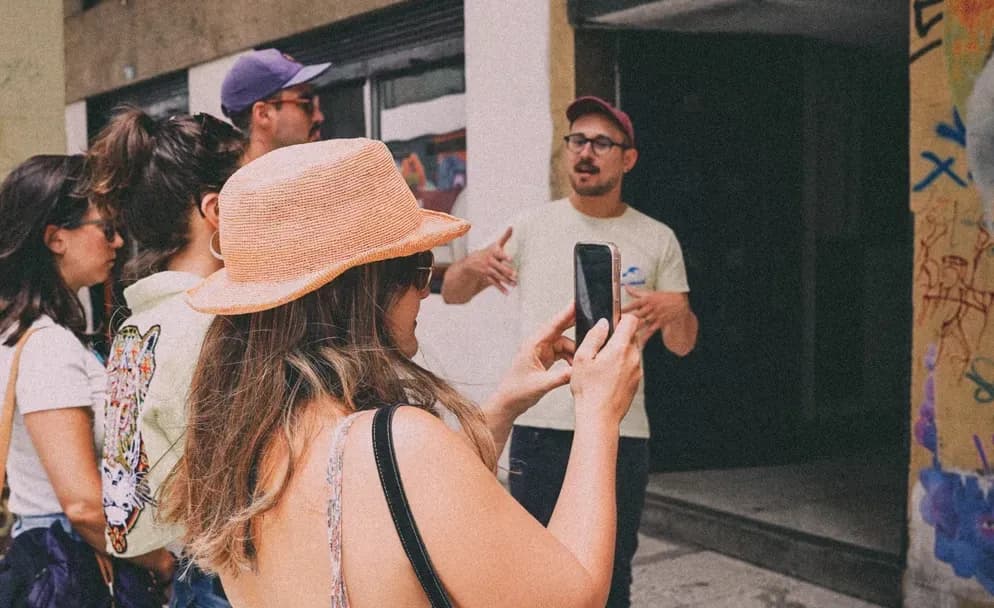
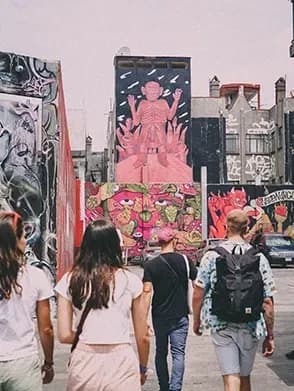
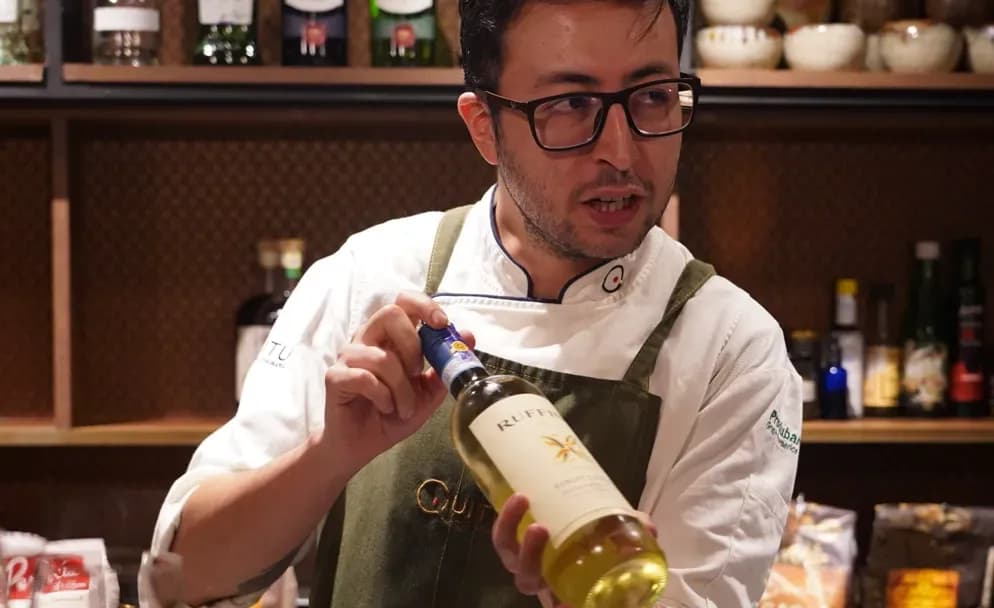
Bondabu’s Street Food Essentials, After Dark, Living Galleries and Golden Fruit experiences are designed to help you understand Quito through its everyday systems — food, markets, and movement.
Because Quito doesn’t explain itself loudly.
But if you pay attention, it tells you everything you need to know.