Morning Rituals of the Andes: How Quito Begins the Day
Quito wakes up slowly.
Not lazily — rhythmically.
Before the traffic builds and the city fully accelerates, mornings unfold through repetition: bread arriving at corner stores, soup simmering in market stalls, buses filling with half-awake commuters, vendors preparing fruit before sunrise.
This is one of the most overlooked parts of visiting Quito.
Because to understand the city, it helps to see it before the day fully hardens into routine.
Quito Mornings: Quick Guide
If you want to experience Quito in the morning, focus on:
– traditional markets early in the day
– soups and warm Andean breakfasts
– fresh bread and coffee
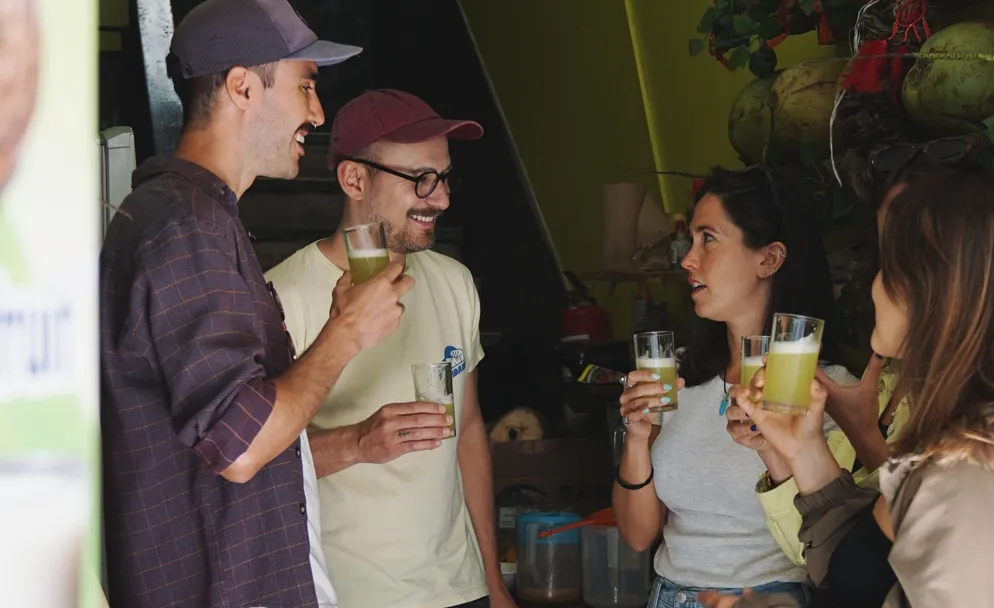
– juice stands opening at sunrise
– neighborhood routines before traffic builds
Morning is when Quito feels most grounded and least performative.
Why Mornings Matter in Quito
Some cities reveal themselves at night.
Quito reveals itself in the morning.
This is when:
– markets are most active
– soups are freshest
– bread is still warm
– conversations move more slowly
The city has not fully accelerated yet. People are still transitioning into the day.
That space matters.
Traditional Breakfast in Quito
Breakfast in Quito is built for altitude, routine, and colder mornings.
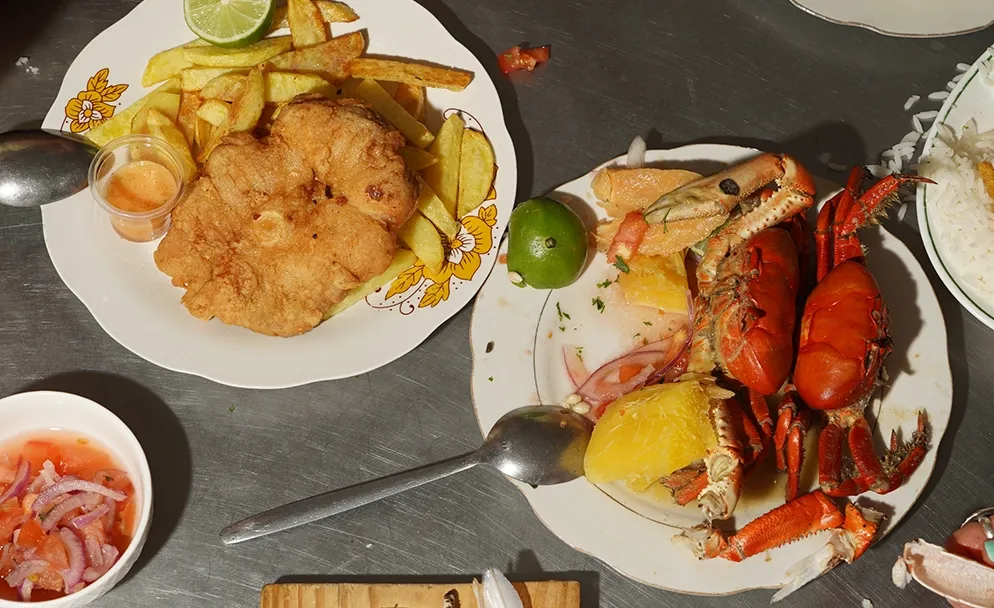
Common morning foods include:
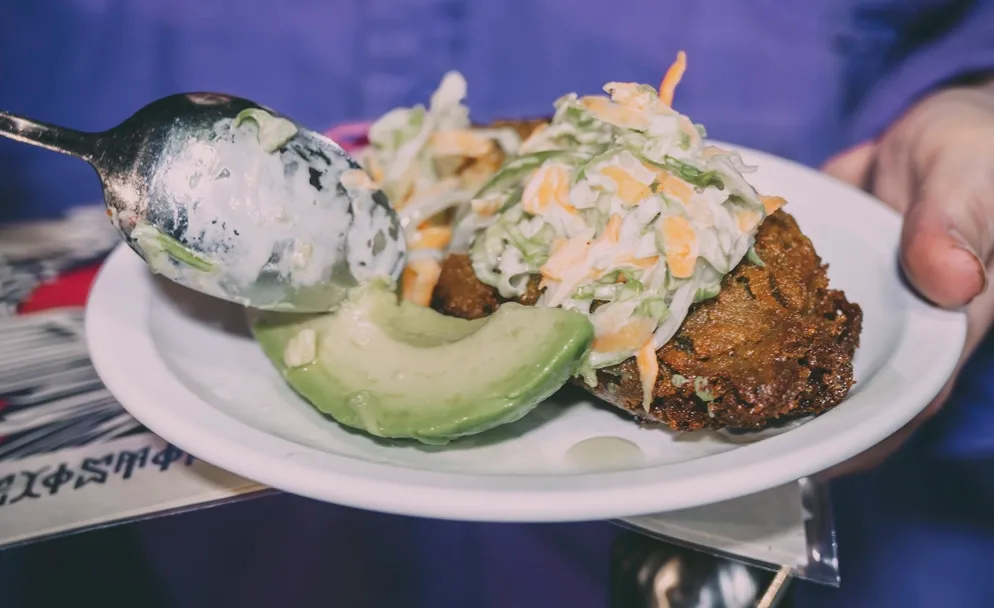
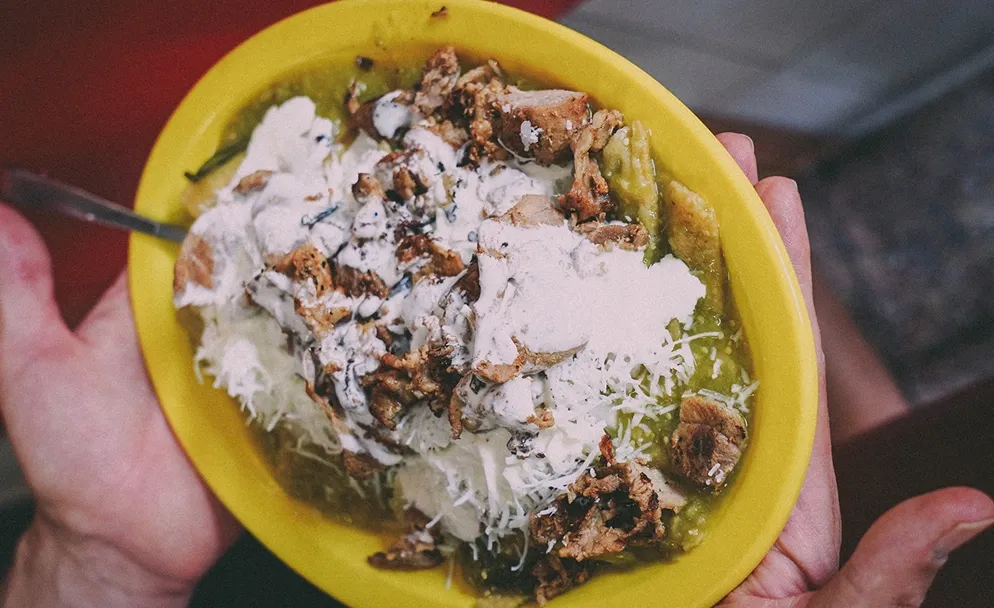
– caldo de gallina
– empanadas de viento
– morocho
– fresh bread and coffee
– fruit juices made to order
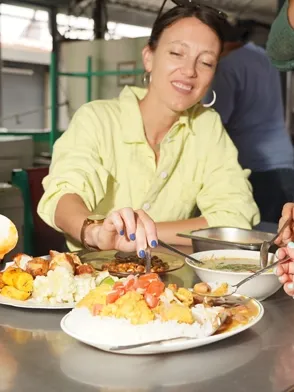
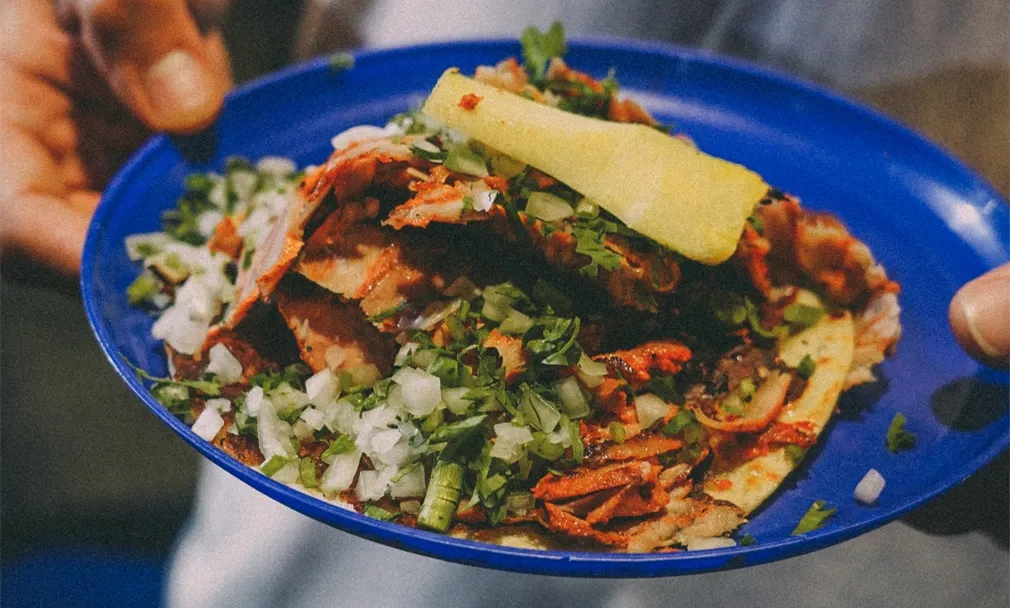
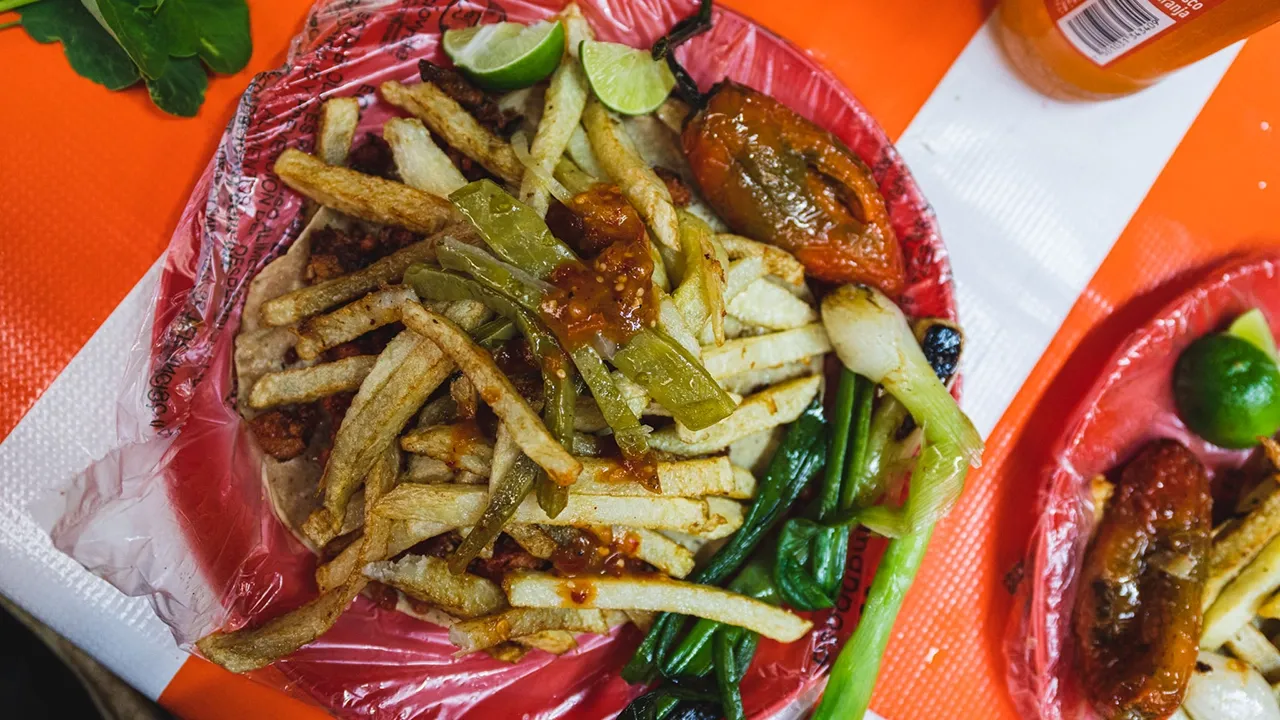
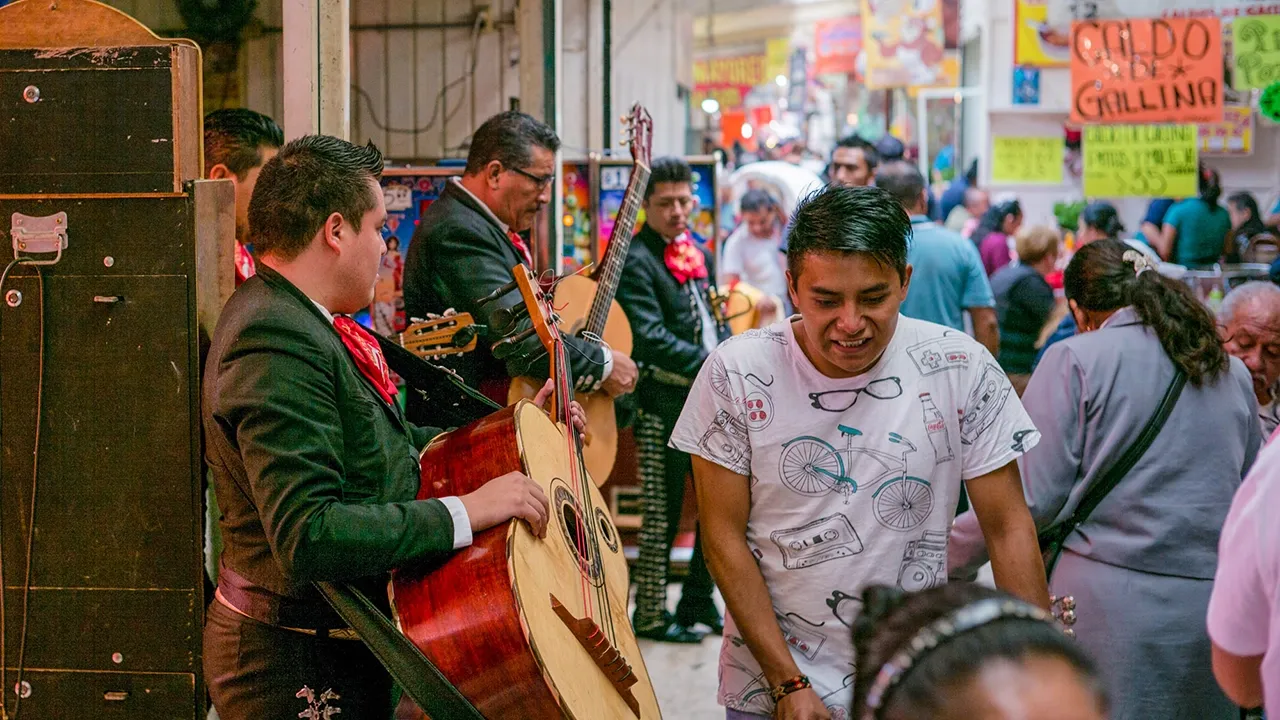
Markets are often strongest early in the day, when soups are simmering and regular customers return to familiar stalls before work begins.
For a broader understanding of local dishes, see The Ultimate Guide to Ecuadorian Food in Quito: What to Eat and Why It Matters.
Quito’s Morning Markets
Markets feel different in the morning.
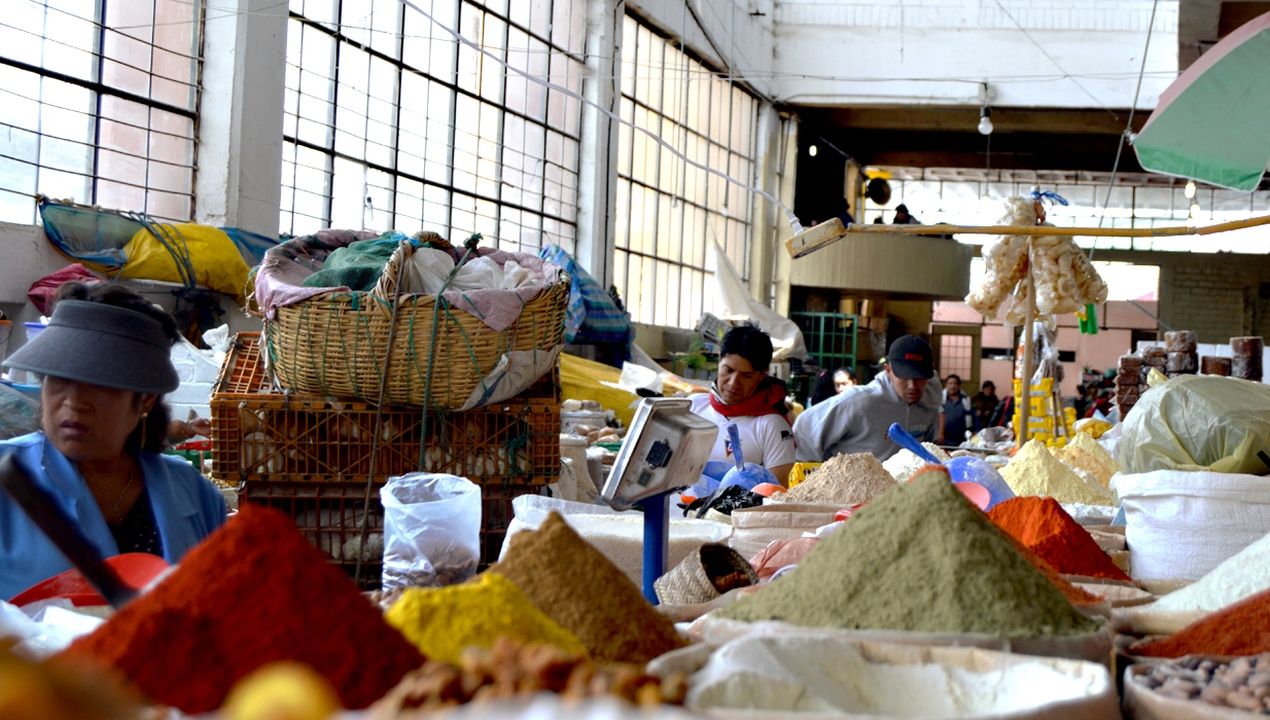
By midday, they become louder and more transactional. But early in the day, there is still preparation, rhythm, and continuity.
At places like:
– Mercado Central
– Santa Clara
– Iñaquito
you see the city before tourism fully takes over.
Workers eat quickly before shifts. Vendors organize ingredients. Juice stands prepare for long hours ahead.
Nothing is dramatic.
That’s precisely why it feels real.
The Role of Soup in Andean Life
In Quito, soup is not a side dish.
It is structure.
Altitude changes eating habits. Cold mornings demand warmth and density. Soups provide energy, routine, and continuity.
This is why traditional lunches still begin with soup, and why morning broths remain central in markets across the city.
To outsiders, it can feel heavy.
To the city, it feels normal.
Coffee in Quito Is About Time, Not Speed
Coffee culture in Quito is quieter than in larger international cities.
There are excellent specialty cafés, but the deeper rhythm of coffee here is slower and more functional. People sit longer. Conversations unfold gradually.
Coffee is less about productivity and more about transition.
For more on café culture, see Best Coffee Shops in Quito.
Who Will Enjoy Quito’s Morning Culture?
Quito’s mornings are especially rewarding for travelers interested in:
– markets and food culture
– slower travel experiences
– photography and observation
– everyday urban life
– Andean routines beyond tourism
If you prefer highly curated or fast-paced experiences, Quito can initially feel too quiet.
That’s also why some travelers initially struggle to understand the city. See Is Quito Worth Visiting? What to know before you go.
But if you slow down with the city, the details begin to emerge.
Culture Is Never Static
Culture is never static. It behaves like something alive — adapting, mutating, and responding to the forces around it.
Morning rituals evolve too.
New cafés appear. Schedules shift. Younger generations eat differently. Digital work changes how people move through the city.
But certain structures remain:
– markets opening early
– soups simmering in the morning
– bread delivered before sunrise
– people beginning the day through repetition
That continuity gives Quito its rhythm.
Why Travelers Often Miss This Side of Quito
Many travelers experience Quito too late in the day.
They arrive at attractions after the city has already shifted into tourism mode. They miss the quieter systems that define everyday life.
To understand Quito, mornings matter more than itineraries.
This is when the city feels least performed.
The Difference Between Seeing and Participating
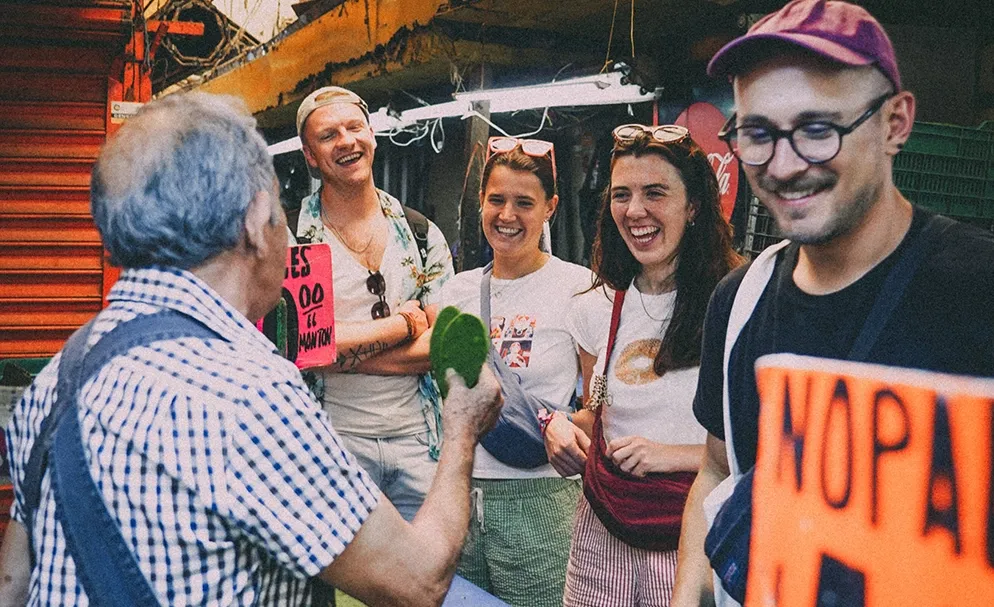
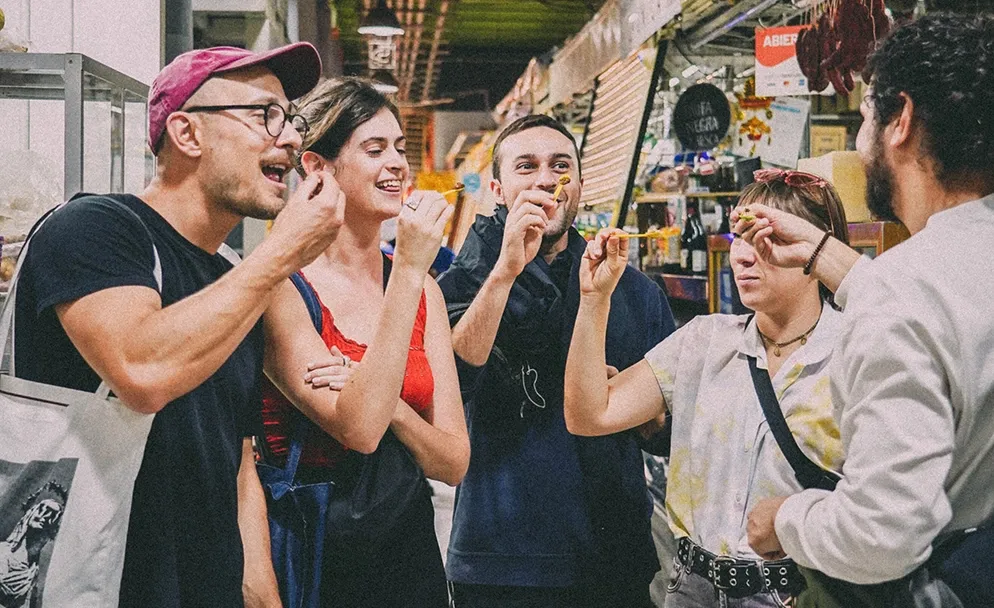
Anyone can walk through a market in the morning.
Participating is different.
You begin to notice:
– how regulars greet vendors
– how breakfast routines repeat daily
– how slowly conversations unfold
– how food structures the beginning of the day
A real cultural encounter doesn’t give you answers. It sharpens your perception. It leaves you with better questions.
Want to Experience Quito Beyond the Obvious?
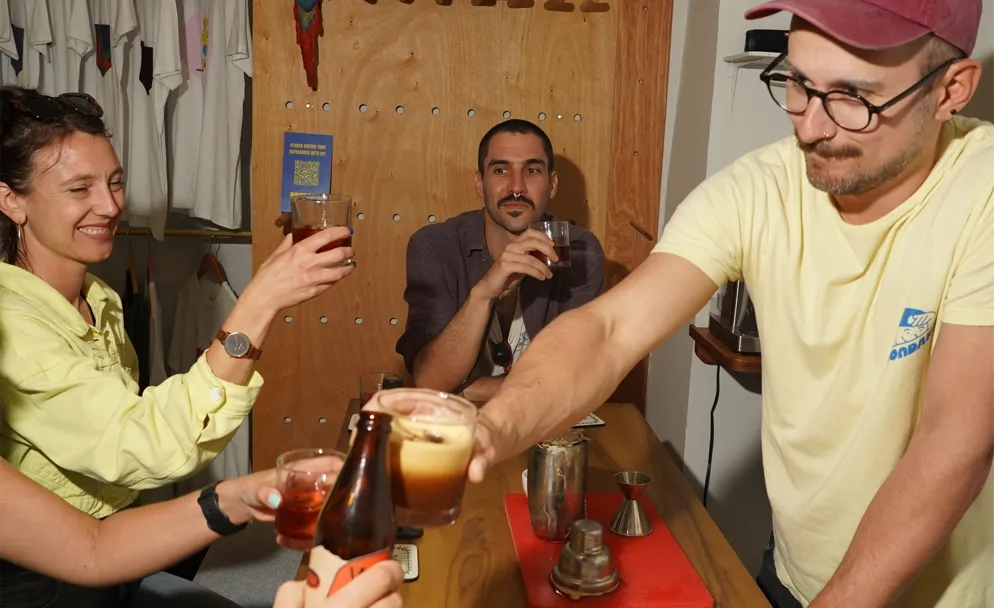
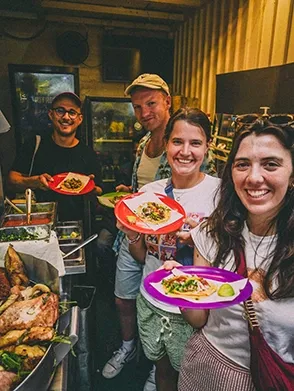
Bondabu’s Street Food Essentials and After Dark experiences explore Quito through its markets, routines, and everyday food culture.
Not to romanticize Quito — but to help you understand its rhythm.
Because Quito doesn’t reveal itself all at once.
Especially not in the morning, when the city still belongs to itself.